

Stronghold 2 Deluxe
2K
02094
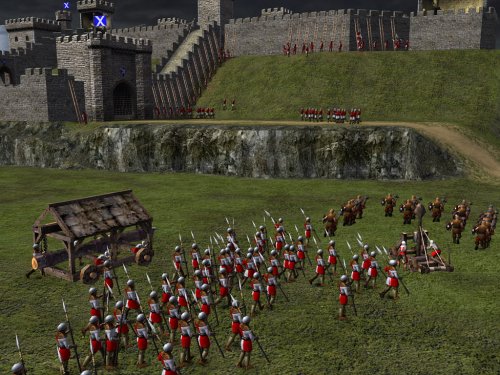
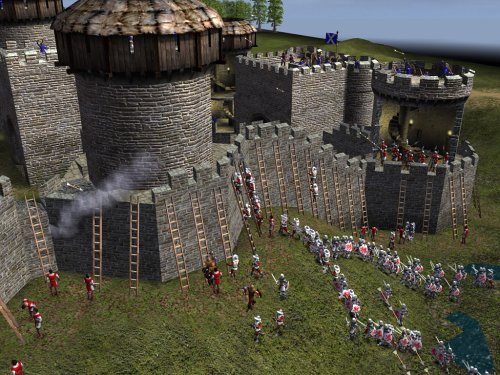
- Build. Battle. Become a King. Play the ultimate castle sim. Expand your lands and build and fortify your citadel. Entertain with jousts, lavish feasts and tournaments or rule with an iron fist and dispense medieval justice to your overworked and slovenly peasants. Stronghold 2 is the most accurate, amazing and dynamic depiction of siege-warfare and castle-life ever portrayed.
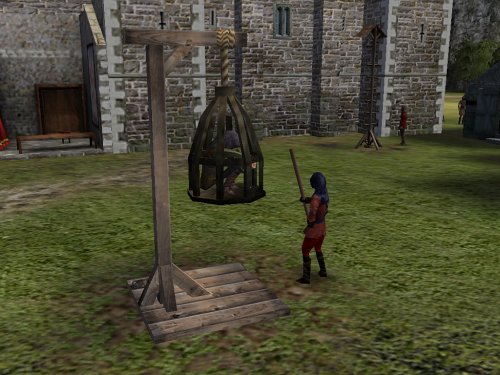
- Features: See the breathtaking medieval setting in beautiful 3D and choose from a variety of other views to survey your domain. Be Lord of a true-to-life medieval berg. Watch the falconers deal with the rat 'problem', discover how man and pig lived side by side, see weavers, candle makers and ale wives go about their business. Hold great festivals such as jousting tournaments, feasts, and dances or conduct public executions to keep the peasantry in line. Brand new soldier types, siege weaponry and castle defenses. As lord, your gaze reaches far. Watch life inside castles and behind closed doors. View a trial inside the courthouse, see the Lord's food being prepared in the kitchen, watch the ladyship taking a bath in the solar attended to by her maid servants. Earn valuable honor points and use them to rise through the ranks from humble serf to mighty duke or use them to knight your own sworn liegemen and place them in charge of captured castles to expand your kingdom. Design your own coat of arms or decorate your castle with flags and banners or heads on spikes - the choice is yours. Non-linear interactive story unfolds as you return to your earlier castle and decide which challenge to undertake next.
- New in the Deluxe Edition: More maps, opponents, and historical castles to battle! Crusade across Europe in a new game mode!
- Notice: This game contains technology intended to prevent copying that may conflict with some disc and virtual drives.
| SELLER | SELLER SCORE | AMAZON FULFILLED | PRIME | FREE SHIPPING |
|---|---|---|---|---|
| SFBayGoodwill | 9.92 | No | No | No |

