Defining the Sub-Genre: Surrealism vs. Psychological Horror
Not all dream-based games are created equal. The first step in your selection process is deciding what kind of 'dream' you want to inhabit. Some games lean into the surrealist exploration aspect, where the goal is to wander through beautiful, nonsensical landscapes that defy the laws of physics. These are often low-stress, high-aesthetic experiences focused on discovery. On the other hand, there is the psychological horror subset, where the dream state is used as a tool to manifest fears, traumas, and uncanny imagery. If you prefer a sense of wonder, look for titles categorized under 'exploration' or 'walking simulators.' If you want to be unsettled, look for games that emphasize 'tension,' 'atmosphere,' and 'psychological thriller' elements.
The Role of Visual Art Direction
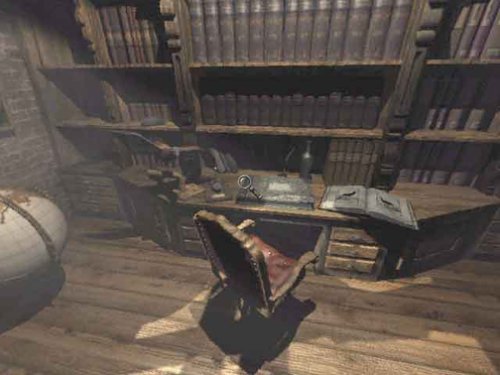
In dreamcatcher-style games, the graphics are rarely about photorealism. They are about evocation. Because these games simulate a non-linear reality, the art style is a primary driver of the experience. Some games utilize hand-drawn, painterly aesthetics to create a soft, ethereal feeling, while others use glitch art, low-poly models, or high-contrast surrealism to create a sense of unease. When browsing, look closely at screenshots or gameplay footage. Does the visual language feel cohesive with the mood you want? A game that uses vibrant, shifting colors will provide a vastly different emotional journey than one that utilizes muted, monochromatic, or distorted visuals.
Narrative Complexity and Environmental Storytelling
Because dream-based games often lack traditional linear progression, the story is frequently told through environmental storytelling. Instead of long cutscenes, you might find the plot hidden in the arrangement of objects, the recurring motifs in the architecture, or the subtle shifts in the music. When choosing a game, consider how much mental heavy lifting you want to do. Some titles provide a clear, guided narrative, while others are 'interpretive,' meaning the player must piece together the meaning of the dream through observation and intuition. If you enjoy deep lore and 'Aha!' moments, prioritize games that are noted for their cryptic or non-linear storytelling.
Soundscapes and Auditory Immersion
You cannot underestimate the importance of audio in this category. In a game centered on the subconscious, the sound design is often the bridge between the player and the dream state. Look for games that feature dynamic or generative soundtracks—music that shifts based on your movements or the environment. High-quality spatial audio is also a major factor. The ability to hear a whisper behind you or a distant, distorted melody can make or break the immersion. A game with a weak soundtrack will feel like a series of disconnected images, whereas a game with a masterfully crafted soundscape will feel like a living, breathing dream.
While many dream-centric games are indie productions that run well on modest hardware, some use heavy particle effects, lighting shifts, and complex shaders to achieve their surrealist look. These visual flourishes can be taxing on your GPU. Before purchasing, check if the game relies heavily on 'post-processing effects' or 'volumetric lighting,' as these are the features most likely to impact your frame rate. Ensure your PC can handle the specific aesthetic style to prevent immersion-breaking stuttering during pivotal narrative moments.