Mesh Density and Filtration Balance
When selecting a performance pick up screen, you must navigate the delicate balance between filtration and flow. A mesh that is too fine will act as a restrictor, causing the pump to cavitate because it cannot pull oil fast enough to meet the demand of high-RPM operation. Conversely, a mesh that is too coarse may allow metallic flakes or carbon buildup to pass through, which can score bearings or clog oil passages. Look for screens specifically engineered for high-flow applications, often utilizing stainless steel mesh that provides structural integrity without sacrificing the volumetric efficiency required by high-performance pumps.
Material Integrity and Durability
Standard stamped steel screens are prone to bending or collapsing under the high suction pressures generated by high-volume oil pumps. If a screen deforms, it can block the intake entirely. For performance applications, prioritize screens constructed from heavy-duty stainless steel or reinforced wire mesh. These materials offer superior resistance to the vacuum forces exerted by the pump and are less likely to vibrate or fatigue over thousands of heat cycles. A rigid frame is essential to ensure the screen maintains its shape within the oil pan.
Geometry and Surface Area
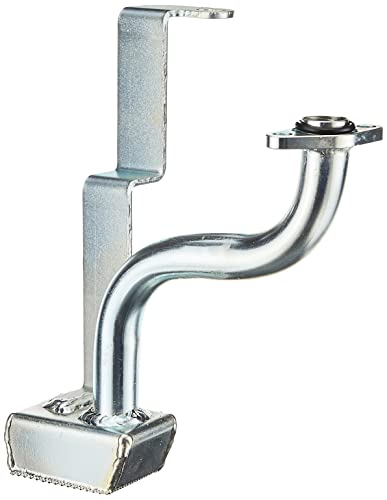
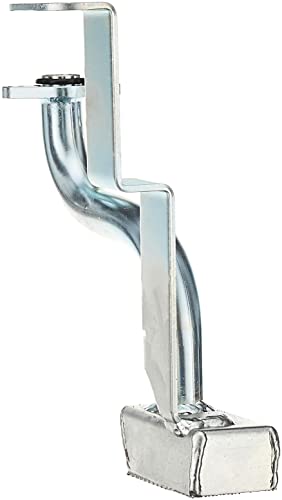
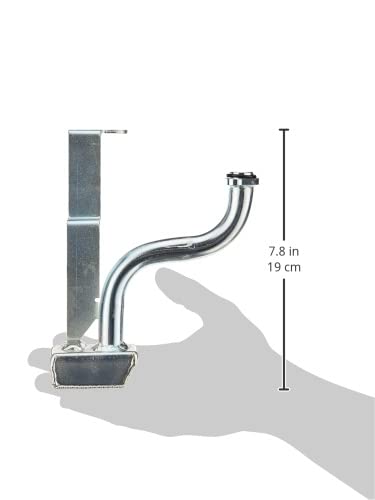
The surface area of the screen is a critical decision factor. A larger surface area reduces the velocity of the oil passing through the mesh, which minimizes the risk of cavitation and allows for more efficient filtration. When evaluating options, look for designs that maximize the contact area with the oil in the pan. Some performance screens feature a cylindrical or wrap-around design that provides more surface area than a standard flat disc. This is particularly important in dry-sump or high-performance wet-sump systems where oil levels may fluctuate rapidly during aggressive driving.
Compatibility with Oil Pan Design
A performance screen is only as good as its fitment. You must ensure the screen is designed to work with your specific oil pan baffle configuration. In many high-performance setups, the screen must sit in a specific orientation to avoid sucking air during lateral movement. If you are using a custom or aftermarket oil pan, ensure the pick up screen has a mounting method that prevents it from shifting. A loose screen can become a piece of debris itself, creating a nightmare scenario for your lubrication system.
Recommendation Logic
If you are building a street-driven performance engine, prioritize a screen with a balanced mesh density that offers protection without significantly restricting flow. However, if you are building a dedicated track or drag racing engine with a high-volume pump, your priority should shift toward maximum surface area and rigid construction to prevent suction-induced starvation. Always match the screen's flow capacity to the rated output of your oil pump to ensure the system remains stable under extreme thermal and mechanical loads.