Prioritize Fit and Stability
The most common complaint regarding armbands is 'bouncing.' If the armband does not sit snugly against your bicep or forearm, the weight of the phone will cause it to shift with every step, which can be incredibly distracting during high-intensity interval training (HIIT) or long-distance running. Look for armbands that utilize high-tension elastic bands or heavy-duty Velcro closures. A premium design often features a non-slip silicone lining on the interior. This creates friction against your skin to prevent the band from sliding down your arm even when you are sweating profusely.
Material Durability and Breathability
Your armband will be subjected to two main enemies: sweat and friction. You want a material that is breathable enough to prevent heat buildup under the band, but durable enough to withstand constant movement. Neoprene is a popular choice because it is soft and provides a cushion against the skin, but it can sometimes trap heat. For those who sweat heavily, look for moisture-wicking synthetic fabrics or mesh inserts that allow airflow. Additionally, ensure the stitching is reinforced, especially around the tension points where the strap meets the phone pouch.
Screen Accessibility and Touch Sensitivity
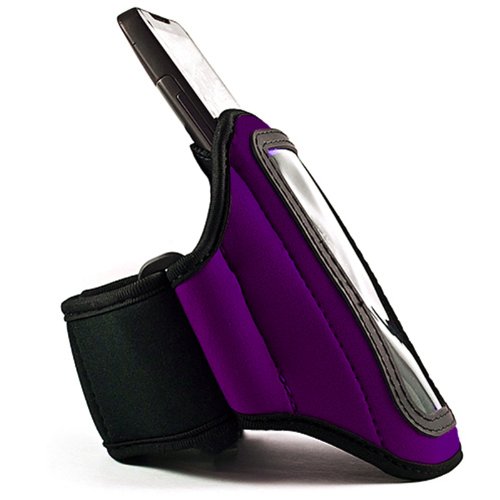
One of the biggest frustrations is having to pull your phone out of the armband just to skip a song or check a notification. High-quality armbands feature a clear, high-transparency TPU (Thermoplastic Polyurethane) window. This window should be thin enough to allow for responsive touchscreen interaction but thick enough to protect the screen from scratches and moisture. When testing or reading reviews, check if the material allows for 'capacitive touch' functionality. If the window is too thick or made of low-grade plastic, you will find yourself constantly struggling to interact with your device.
Device Compatibility and Security
Before purchasing, you must be certain the armband accommodates your specific device dimensions. It is not just about the screen size. You must account for the thickness of your protective case. An armband that fits a 'naked' phone might be too tight for a phone encased in a rugged, shockproof shell. Furthermore, look for security features such as a zippered compartment or a secure flap. If you are an athlete who engages in high-impact movements, a simple slip-in pocket might not be enough to prevent your phone from flying out during a sprint.
Additional Features to Consider
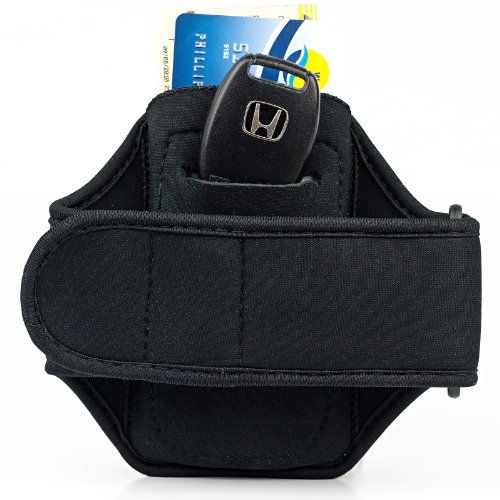
Some armbands go beyond simple storage. You might look for integrated headphone jack ports (though less common with modern devices) or dedicated slots for gym cards and keys. If you run at night, visibility is paramount. Choose an armband with reflective strips or integrated LED light loops to ensure you are seen by motorists. Finally, consider the placement: bicep bands are generally more stable for heavy phones, while forearm bands offer easier access for quick interactions.