Material Durability and Environmental Protection
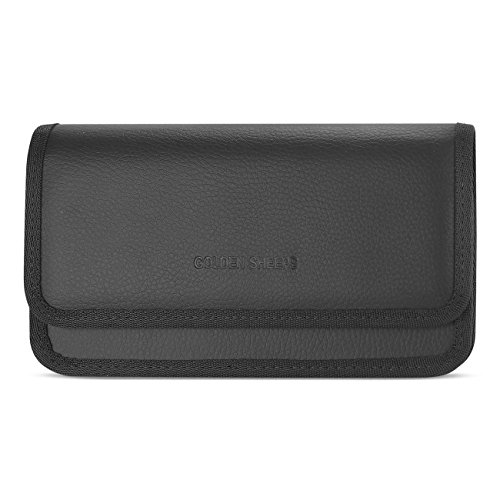
The first factor to consider is the material composition of the holster. Since these holsters are often used in demanding environments, the choice between ballistic nylon, leather, or heavy-duty polymer can change the utility of the product. Ballistic nylon is highly favored for its tear resistance and lightweight nature, making it ideal for active users who need something that won't add bulk to their belt. Leather holsters offer a more professional, classic aesthetic suitable for office environments but may require more maintenance to stay supple in extreme weather. If you work in industrial settings, look for reinforced stitching and weather-resistant coatings that prevent moisture from seeping into the device compartment.
Attachment Mechanisms and Belt Compatibility
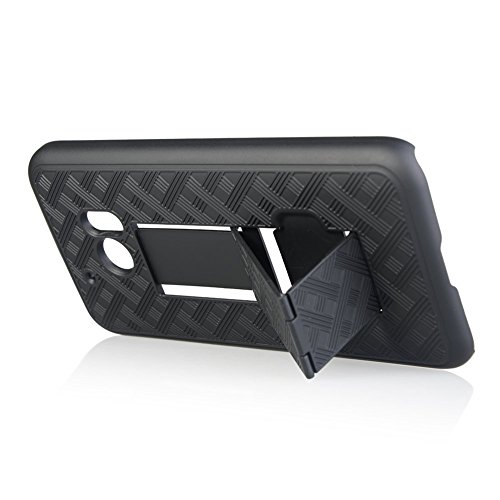
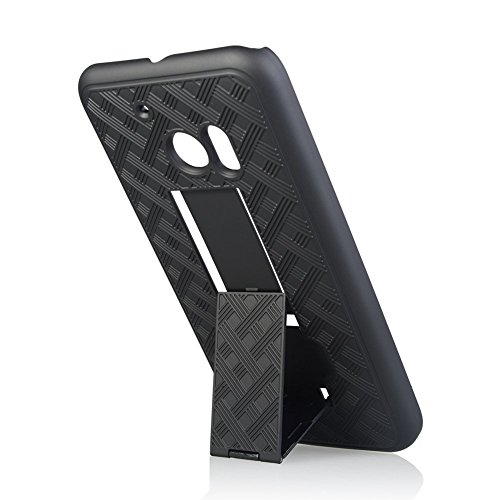
A holster is only as effective as its ability to stay attached to your person. You must evaluate how the holster connects to your clothing or gear. Most wireless phone holsters utilize a belt loop system, but the width and rigidity of this loop are crucial. Ensure the loop is wide enough to accommodate your specific belt width without pinching. For those who prefer hands-free movement, look for holsters that offer modular attachment options, such as MOLLE compatibility, which allows you to clip the holster onto tactical vests, backpacks, or utility belts. Additionally, consider the tension of the belt clip. A spring-loaded clip provides a more secure grip on thicker belts, reducing the risk of the holster sliding off during sudden movements.
Accessibility and Device Security
The primary purpose of a holster is to facilitate quick access to your phone. This means you should look for designs that prioritize ease of entry and exit. Some holsters use magnetic flaps, which are incredibly fast to open but may pose concerns in specific high-interference environments. Others utilize heavy-duty Velcro or snap closures, which offer superior security against accidental openings but may require a split-second longer to access. Furthermore, consider the 'drop-in' depth. A holster that is too shallow may allow the phone to slip out if you bend over, while one that is too deep may make it difficult to reach the screen or buttons without fully removing the device.
Protection and Internal Padding
Beyond just holding the phone, a good holster acts as a secondary layer of armor. Look for internal padding, such as microfleece or high-density foam, which protects the screen from scratches and the chassis from vibration. If you frequently work in high-impact environments, seek out holsters with reinforced corners. These reinforced zones are specifically designed to absorb shock if the holster bumps against a hard surface. Finally, check for internal organization. Some premium holsters include small dedicated slots for a stylus, a SIM card tool, or a slim power bank, turning your holster into a mobile command center.