Prioritize Material Durability and Environmental Resistance
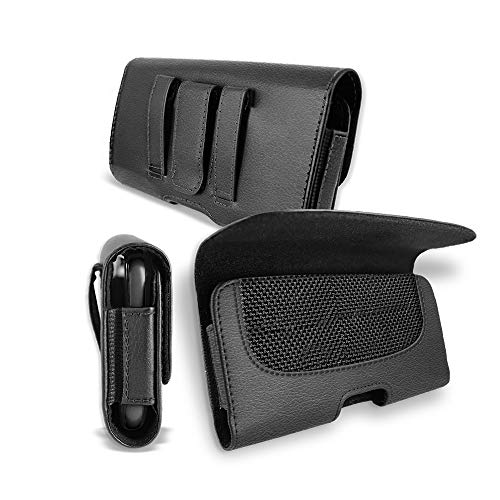
The first decision factor in choosing a holster is the material construction. If your work environment involves dust, grit, or moisture, avoid flimsy fabric options. Instead, look for heavy-duty ballistic nylon or high-grade synthetic polymers. Ballistic nylon offers a balance of flexibility and abrasion resistance, making it ideal for daily carry. However, if you work in extreme environments, a molded hard-shell holster provides superior impact protection. Hard shells act as a rigid cage around the phone, absorbing the energy of a fall before it reaches the internal components. Additionally, consider the weatherproofing. A holster with water-resistant zippers or sealed seams is vital if you frequently work in rain or humid conditions.
Evaluate Attachment Mechanisms and Belt Compatibility
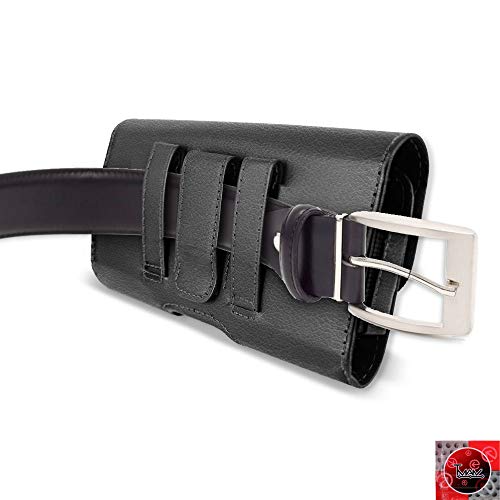
A holster is only as good as its ability to stay attached to your body. The attachment method is the most common point of failure in lower-quality products. For those who wear heavy duty work belts, look for wide, reinforced belt loops or heavy-duty polymer clips that can withstand significant tension without snapping. If you prefer a more secure, non-slip fit, consider holsters that utilize a MOLLE-compatible system, allowing you to integrate the phone carrier into a larger tactical or utility belt setup. Be mindful of the 'swing factor'—some holsters allow the phone to tilt or rotate, which can be beneficial for ergonomic access but may cause the device to bounce uncomfortably while walking if the mounting is not sufficiently rigid.
Consider Accessibility and Device Protection Levels
The primary reason to use a holster is rapid access. Evaluate how the holster opens. A top-loading sleeve is simple but can be slow if you are wearing gloves. A wrap-around design with heavy-duty Velcro or magnetic closures often allows for a 'one-handed' draw, which is a significant advantage in professional settings. Furthermore, consider the internal lining. A holster with a soft microfiber or fleece interior will prevent the micro-abrasions that occur when dust particles get trapped between the phone and the holster wall. If you use a ruggedized case on your phone, ensure the holster is sized to accommodate the added bulk. A holster that is too tight will be difficult to use, while one that is too loose will allow the phone to jiggle, increasing the risk of it falling out during sudden movements.
Weight Distribution and Ergonomics
Finally, consider how the holster affects your center of gravity. A heavy phone in a poorly balanced holster can pull on your belt, causing discomfort or even causing the belt to sag throughout the day. Look for designs that sit close to the hip to minimize leverage against your waistline. For long shifts, ergonomics are not a luxury—they are a necessity. A holster that follows the natural contour of your body will feel less intrusive and more like a natural extension of your gear, allowing you to focus on your work rather than your equipment.