Prioritize Material and Stability
The most critical factor in any phone stand is its ability to remain upright under the weight of your device. Cheap, lightweight plastic stands are prone to tipping, especially if you use a phone with a heavy-duty protective case or a large screen size. For a permanent desk setup, look for stands constructed from aluminum alloy or weighted steel. These materials provide a low center of gravity, ensuring that even if you tap the screen aggressively, the stand won't wobble. If you are looking for something more budget-friendly, ensure the base has rubberized non-slip padding to prevent the stand from sliding across smooth surfaces like glass or polished wood.
Evaluate Adjustability and Viewing Angles
A static stand is only useful if its fixed angle happens to match your eye level. To maximize comfort, seek out stands that offer multi-axis adjustment. This typically includes a tilting head (to change the vertical angle) and a rotating base (to switch between portrait and landscape modes). High-quality stands often feature a dual-hinge design, allowing you to fine-tune the height and the tilt independently. This is particularly important for ergonomics. A stand that allows you to bring the phone closer to eye level can significantly reduce 'tech neck' and shoulder fatigue during prolonged use.
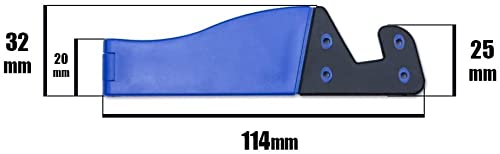
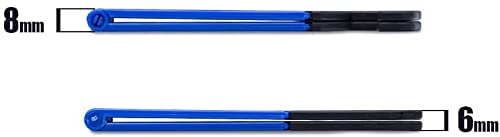
Your intended environment should dictate the design of the stand. If you are a frequent traveler or a student moving between libraries and cafes, prioritize a foldable or collapsible design. Look for 'pocket-sized' models that can fold completely flat. While these may lack the heavy-duty stability of a desktop model, they offer the convenience of being tucked into a laptop sleeve or pocket. Conversely, if the stand is intended for a home office, prioritize a fixed, robust structure with integrated cable management slots. Cable management is a subtle but vital feature that allows you to route your charging cord through the stand, keeping your workspace organized and preventing the cord from snagging and pulling the phone over.
Consider Device Compatibility and Protection
Before purchasing, consider the physical dimensions of your phone. A stand designed for a slim device might not accommodate a phone encased in a thick ruggedized case. Additionally, look for features that protect your hardware. The best stands incorporate silicone or rubber padding on the contact points where the phone rests. This prevents the metal or hard plastic of the stand from scratching your device's frame and provides extra grip to prevent the phone from sliding out of position. For those who use tablets as well as phones, ensure the stand's 'cradle' or 'hook' is wide enough to support the increased weight and width of a tablet without becoming unstable.
Summary Recommendation Logic
To make the final decision, follow this logic: If you need stability for video calls, choose an aluminum, weighted stand with adjustable height. If you need a mobile solution for travel, choose a foldable, lightweight plastic or thin metal stand. If you are a content creator, invest in a stand with a 360-degree rotating base to facilitate easy transitions between vertical social media filming and horizontal viewing.