Material Composition and Texture
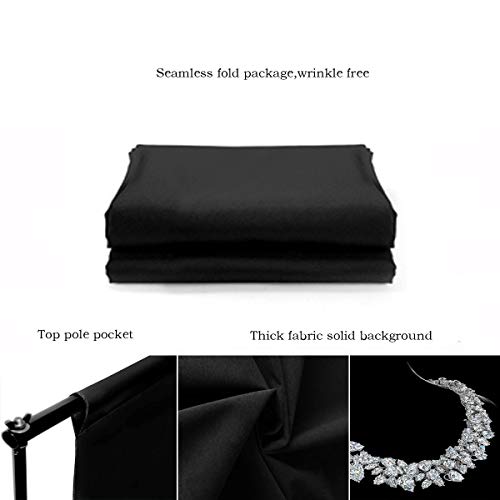
The most critical decision factor is the material of the background. In the world of studio photography, texture is a double-edged sword. Smooth, non-reflective materials like high-quality vinyl or heavy-duty polyester are ideal for product photography and e-commerce, as they allow for a seamless, 'infinite' look without distracting patterns. If you are shooting high-end jewelry or tech gadgets, look for matte finishes to prevent harsh specular highlights from your strobes. Conversely, for portraiture and fine art photography, textured fabrics like muslin or canvas can add depth and a sense of luxury to the frame. However, be aware that textured backgrounds require more careful lighting to ensure the shadows within the fabric do not become more prominent than the subject itself.
Light Interaction and Reflectivity
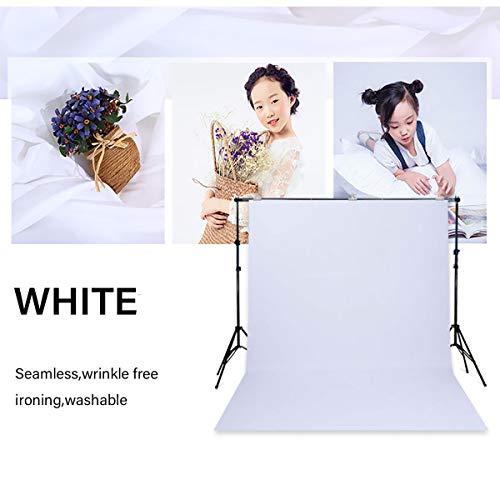
One of the most common mistakes beginners make is selecting a background that acts like a mirror. When choosing an hmtfoto background, prioritize 'matte' or 'anti-glare' descriptions. A background that reflects light will cause 'color spill,' where the hue of the backdrop bounces back onto the skin tones of your subject, making color correction a nightmare in post-production. If you are working in a small space with limited lighting control, a dark, matte background is often the safest bet to absorb excess light and keep the focus strictly on your subject. If you are shooting high-key (bright and airy) images, ensure the material is thick enough to prevent light from bleeding through the back, which can create a hazy, low-contrast effect.
Portability vs. Durability
Setup and Support Requirements
Consider how you intend to deploy the background. If you are a traveling photographer, lightweight, collapsible fabric backgrounds that can be folded into a carry bag are essential. These are highly portable but prone to wrinkling, so you must factor in the need for a handheld steamer. On the other hand, if you have a permanent studio setup, heavy-duty vinyl rolls or large-scale fabric drops offer superior durability and a more consistent surface. Vinyl is particularly excellent for food photography or child photography because it is wipeable and resistant to spills. Always check the dimensions. A background that is too narrow will result in 'edge spill,' where the walls of your room become visible in the frame, ruining the illusion of a professional studio.
Recommendation Logic
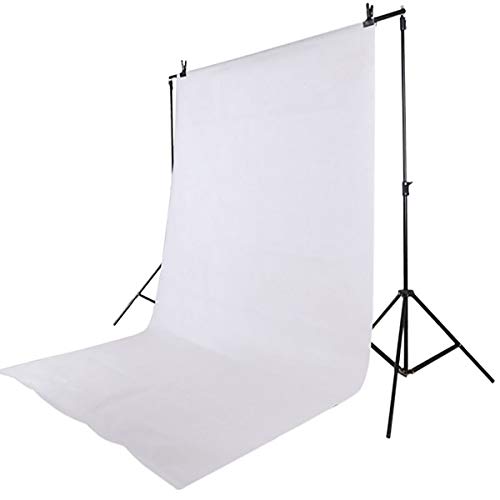
When making your final selection, use this logic: For e-commerce and product shots, prioritize seamless vinyl with a matte finish. For professional portraits, opt for heavy muslin or textured canvas that offers depth. For content creators on a budget with limited space, choose collapsible, lightweight polyester. Always match the weight of the material to your existing support system. A heavy canvas backdrop will require a robust, heavy-duty stand to prevent it from sagging or tipping over.