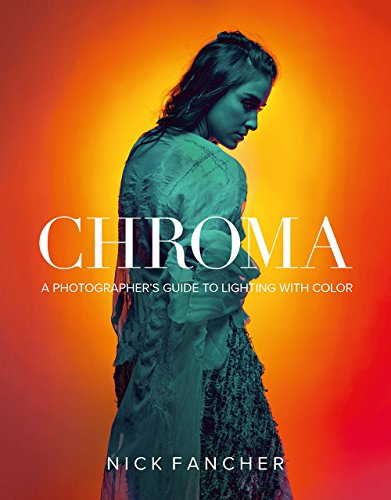
Identify Your Lighting Discipline
Lighting is not a monolithic subject. It is divided into distinct technical realms. Before purchasing, you must determine which discipline aligns with your current creative goals. Studio lighting books typically focus on controlled environments, teaching you how to manipulate artificial sources, use modifiers like umbrellas and beauty dishes, and manage complex power settings. Conversely, natural light books focus on the 'available light' philosophy, teaching you how to read the sky, use reflectors to bounce sunlight, and time your shoots with the golden hour. If you are interested in cinematography or video, look for texts that emphasize continuous lighting and the interaction of light with moving subjects.
Technical Depth vs. Creative Inspiration
One of the most critical decision factors is the ratio of technical instruction to visual inspiration. Some books are 'coffee table' style volumes—they are visually stunning and show you what incredible lighting looks like, but they may lack the 'how-to' instructions required to replicate the effect. For a student or professional, you should prioritize books that include diagrams, light placement charts, and explanations of the inverse square law. A high-quality technical guide will explain why a light was placed at a specific angle and how the modifier changed the quality of the shadows, rather than just showing you a beautiful end result.
The Role of Diagrams and Schematics
A hallmark of a superior photography lighting book is the inclusion of setup diagrams. Because light is three-dimensional, reading about a 'Rembrandt lighting' setup is far less effective than seeing a top-down schematic that shows the distance between the subject, the key light, the fill light, and the background. Look for authors who provide clear, annotated illustrations that map out the light's path. This visual shorthand is the fastest way to translate theory into a physical studio setup.
Subject Matter Specialization
As you advance, generic lighting books may become too broad to be useful. You will eventually need to seek out niche expertise. Portrait lighting books will focus heavily on skin tones and eye catchlights. Product or macro lighting books will focus on specular highlights and managing reflections on shiny surfaces. And landscape lighting books will focus on atmospheric conditions and long-exposure techniques. Match the book's specialization to your specific niche to ensure the advice is actionable for your specific workflow.
Recommendation Logic
When selecting your next volume, use this hierarchy: Start with a foundational text that covers the physics of light if you are a beginner. Move to technical manuals that provide specific setup diagrams if you are transitioning to studio work. Finally, invest in specialized monographs that tackle the unique challenges of your specific genre, such as food photography or high-fashion editorial work.