Understanding the Rail and Track System
The foundation of any professional hanging setup is the track or rail. When selecting hardware, you must first decide on the mounting style. Some systems are designed to sit flush against the ceiling, providing a minimalist, architectural look that disappears into the room's trim. Others are designed to be mounted at a specific height on the wall, which is ideal for creating a continuous 'gallery line' that runs mid-way up the wall. Consider the material of the track. Aluminum is the industry standard due to its strength-to-weight ratio and ability to be powder-coated to match your wall color. If you are working in a space with high ceilings, look for tracks that offer deep profiles to accommodate heavier-duty cables.
Cable vs. Cord: Weight Capacity and Aesthetics
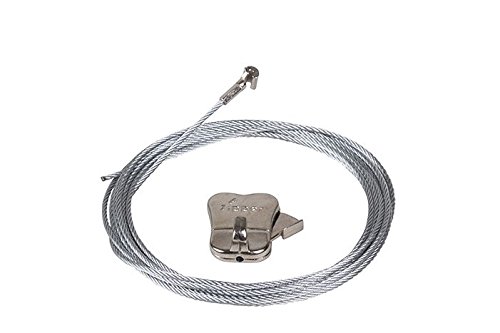
Once the rail is installed, the method of suspension determines the stability of your art. Most high-end systems offer two primary suspension types: stainless steel cables and nylon cords. Stainless steel cables are the gold standard for heavy, substantial pieces like framed oil paintings or large mirrors. They offer minimal stretch and high tensile strength, ensuring your art remains level over time. Nylon cords, while lighter, are often preferred for lightweight sketches, photographs, or decorative items where a softer, less industrial look is desired. When making your decision, always calculate the total weight of your heaviest piece and ensure the cable diameter and attachment clips are rated significantly higher than that weight to provide a safety buffer.
Hook and Clip Versatility
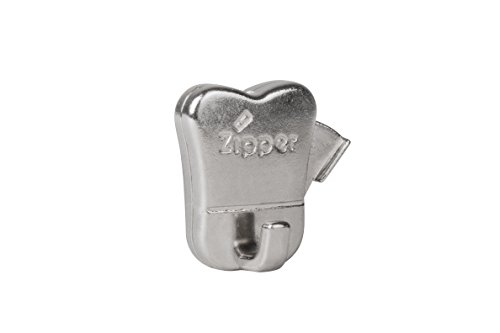
The hardware that actually touches your frame is just as critical as the rail itself. A common mistake is buying a system based solely on the rail while neglecting the hooks. Look for adjustable hooks that allow for fine-tuned vertical movement. This is crucial when you want to align multiple frames perfectly along a horizontal line. High-quality hardware should feature 'locking' mechanisms or specialized clips that prevent the frame from tilting or sliding if someone bumps into it. For modern, frameless art or canvas wraps, look for specialized 'top-loop' or 'side-clip' hardware that grips the edge of the medium without needing a traditional wire on the back of the frame.
Compatibility and Installation Environment
Before committing to a specific hardware set, evaluate your wall type. If you are installing on plaster, concrete, or brick, you will need specialized anchors and heavy-duty mounting brackets to ensure the rail doesn't pull away from the substrate. For drywall, ensure the system includes high-quality toggles or specialized screws. Furthermore, consider the 'modularity' of the system. The best picture hanging hardware is an ecosystem. You should be able to mix and match different types of hooks, cables, and rails from the same brand to accommodate a diverse collection of art sizes. A cohesive system allows you to transition from a single statement piece to a dense salon-style wall with nothing more than a quick adjustment of the clips.