Material Density and Thermal Mass
When selecting a stone from American Metalcraft, the most critical factor is the density of the material. Professional-grade stones are typically crafted from high-quality cordierite or heavy-duty ceramic compositions. You want a stone that feels substantial. A higher thermal mass means the stone won't lose its temperature significantly when you slide a cold piece of dough onto it. If the stone is too thin, the temperature will plummet, resulting in a soggy, limp crust. Look for stones that promise even heat distribution, which prevents the 'hot spot' phenomenon where the center of the pizza burns while the edges remain undercooked.
Size and Oven Compatibility
Before committing to a specific stone, you must measure your oven's interior dimensions. American Metalcraft produces various sizes to accommodate everything from small personal pizzas to large, family-style pies. A common mistake is purchasing a stone that is too large, preventing proper airflow around the edges of the stone. Airflow is essential for maintaining a consistent oven temperature. Additionally, consider the thickness of the stone relative to your oven racks. A very thick, heavy stone may require a sturdier rack or a lower position in the oven to ensure the heat circulates effectively around the top of the pizza.
Shape and Surface Texture
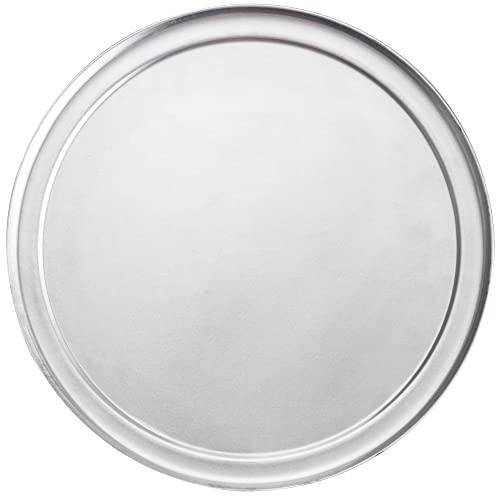
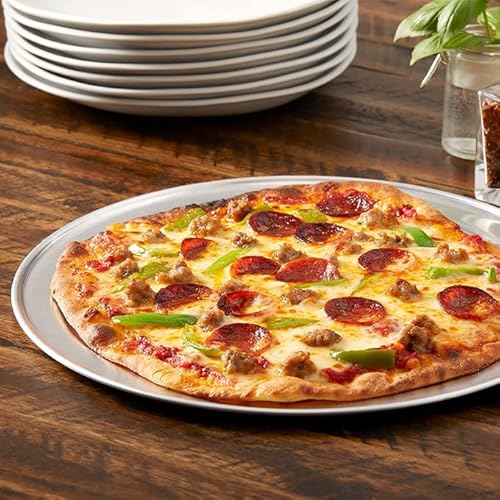
The geometry of the stone affects how you manage your dough. Round stones are the industry standard for traditional Neapolitan or New York-style pizzas, providing a uniform cooking surface for circular dough. However, rectangular or oval stones can be advantageous if you are frequently making flatbreads or rectangular Sicilian-style pizzas. Regarding texture, look for a slightly porous surface. This porosity is what allows the stone to 'wick' moisture away from the dough. If a stone is too smooth or glazed, it may act more like a baking sheet, leading to steaming rather than crisping.
Durability and Maintenance Requirements
Because these stones are built for high-use environments, they are exceptionally durable, but they are not indestructible. Thermal shock is the primary enemy of any pizza stone. To ensure longevity, avoid placing a cold stone into a preheated oven or pouring cold water on a hot stone. When choosing a stone, consider how much maintenance you are willing to perform. Most high-end stones require a 'seasoning' period or a specific cleaning protocol—usually involving only warm water and a brush—to maintain their performance. Avoid using soap, as the porous material can absorb the scent and flavor of the cleaning agent, which will later migrate into your crust.
Recommendation Logic
If you are a weekend enthusiast looking to upgrade from a standard baking sheet, prioritize a medium-thickness cordierite stone that fits your oven with at least an inch of clearance on all sides. For those running high-volume home gatherings or mimicking a professional pizzeria, invest in the heaviest, thickest stone available in the lineup. The increased weight will provide the thermal stability needed to handle back-to-back pizzas without a recovery period between cooks.