Material Durability and Moisture Resistance
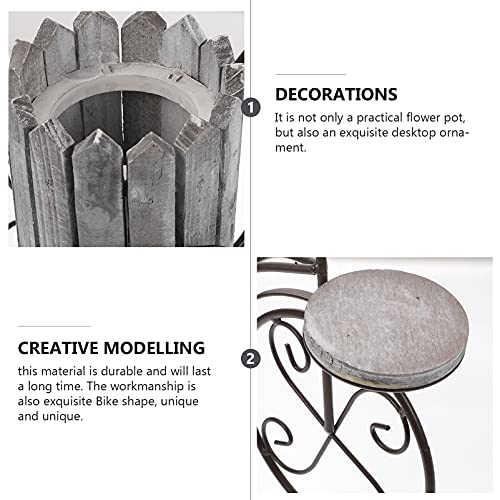
The first decision factor is the material, which dictates both the style and the lifespan of the stand. If you are a frequent waterer or keep high-humidity plants like ferns and calatheas, avoid untreated wood. Unsealed wood can warp, crack, or develop mold when exposed to accidental spills or condensation. For moisture-heavy environments, powder-coated metal is the gold standard. It offers structural rigidity and resists rust. If you prefer a natural look, seek out treated hardwoods like teak or acacia, which possess inherent oils that repel water. For a modern, minimalist aesthetic, powder-coated steel or wrought iron provides a sleek silhouette that can support much heavier terracotta pots without bowing.
Weight Capacity and Structural Stability
One of the most common mistakes in plant stand shopping is overlooking the physics of the pot. A small decorative stand might look beautiful, but it may not be rated for a heavy, large-scale ceramic planter filled with damp soil. Always evaluate the 'load-bearing' potential of the stand. Look for cross-bracing or reinforced joints if you plan to display larger specimens. Furthermore, consider the center of gravity. Taller, spindly stands are prone to tipping if placed in high-traffic areas or near pets. For top-heavy plants, such as a large Monstera or a Fiddle Leaf Fig, opt for a stand with a wide, weighted base to prevent accidental falls.
Tiered vs. Single-Level Configurations
Your spatial constraints will dictate whether you need a single-tier pedestal or a multi-tiered shelving unit. Single-tier stands are ideal for accent pieces—placing a single statement plant in a corner or next to a reading chair. They create a sense of lightness and prevent a room from feeling cluttered. Conversely, tiered stands are vertical space-savers. They are perfect for small apartments or windowsills where you want to maximize the number of plants receiving sunlight. When choosing tiered options, ensure there is sufficient vertical clearance between levels so that the leaves of the bottom plant aren't smothered by the pot of the plant above it.
Aesthetic Integration and Design Language
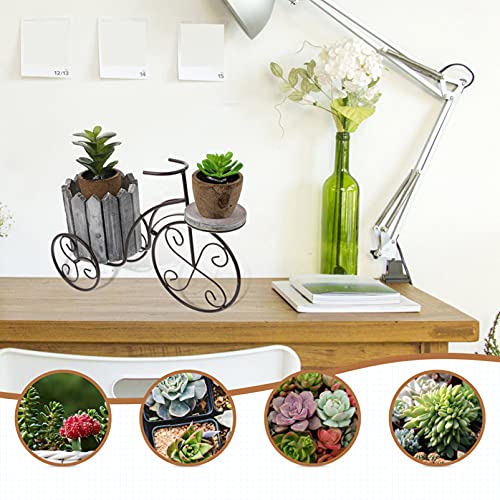
Finally, consider how the stand interacts with your existing interior design. Mid-century modern styles often utilize tapered legs and warm wood tones, which pair beautifully with organic, flowing plant shapes. Industrial designs, characterized by dark metals and raw textures, work well in urban lofts. If your goal is to create a 'jungle' feel, look for minimalist wire frames that allow the greenery to take center stage without the furniture competing for attention. Remember that the stand should act as a pedestal for the plant, not a distraction from it.