#TOP1

Cultivating a vibrant garden often begins beneath the soil, where the magic of tuberous plants, bulbs, and seeds takes hold. Unlike standard annual seeds that provide a single season of color, tuber and bulb varieties offer the promise of perennial returns, creating a structured landscape that matures beautifully year after year. Whether you are looking to establish a dramatic spring display with large-scale bulbs or seeking the intricate, sculptural beauty of tuberous perennials, selecting the right starting material is the difference between a fleeting bloom and a self-sustaining garden ecosystem. This guide is designed to help you navigate the nuances of plant propagation, ensuring you choose the highest quality genetic stock for your specific growing zone and soil conditions.
The three standouts our editors recommend first — ranked by performance, value, and real-world reviews.


Linda's Baby Dahlia - 5 Gallon Size Bare Root Tuber
| SELLER | SELLER SCORE | AMAZON FULFILLED | PRIME | FREE SHIPPING |
|---|---|---|---|---|
| Marde Ross & Company | 9.16 | Yes | Yes | Yes |
Imagine walking into your garden just eighty days after planting and being greeted by the sudden, vibrant burst of a Linda's Baby Dahlia bloom. This bare root tuber from Marde Ross & Company is a dream for gardeners who want quick results without the long wait. Whether you choose to sink it directly into your garden beds or settle it into a five-gallon pot, the process is straightforward as long as you keep the crown just above the soil line. Because these are non-GMO and come from a licensed California nursery with decades of expertise, you can trust the quality of the root you are handling. It is an efficient, reliable way to add immediate color to your patio or lawn setup.
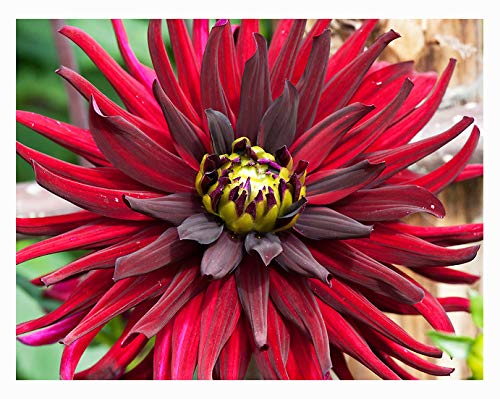
Chat Noir - Cactus Dahlia - 5 Gallon Size Bareroot Tuber
| SELLER | SELLER SCORE | AMAZON FULFILLED | PRIME | FREE SHIPPING |
|---|---|---|---|---|
| Marde Ross & Company | 9.16 | Yes | Yes | Yes |
Serious garden enthusiasts looking to add dramatic, architectural texture to their flower beds need the Chat Noir Cactus Dahlia immediately. This bareroot tuber from Marde Ross & Company is a standout choice for anyone who values rapid results and reliable horticultural expertise. You can expect a stunning bloom in just 80 days from the moment you get it into the ground or a six-inch pot. The planting process is straightforward, requiring you to keep the crown just above the soil line for optimal growth. Since the supplier has been a licensed California nursery since 1985, you can trust the quality of these non-GMO tubers. It is a high-impact addition to any patio or lawn setup that wants to move beyond basic garden varieties.

Labyrinth Lady Dahlia - 5 Gallon Size Bare Root Tuber
| SELLER | SELLER SCORE | AMAZON FULFILLED | PRIME | FREE SHIPPING |
|---|---|---|---|---|
| No | No | No |
Serious garden enthusiasts looking to transform a standard flower bed into a high-impact floral spectacle need the Labyrinth Lady Dahlia in their planting rotation. This bare root tuber from Marde Ross & Company, a licensed California nursery with decades of expertise, offers an impressively fast turnaround, moving from planting to bloom in just about 80 days. Whether you choose to plant it directly in the ground or in a 5-gallon pot, the process is straightforward as long as you keep the crown just above the soil line. Because these are non-GMO, you can feel confident about the biological integrity of your garden. It is a reliable, fast-growing choice for anyone who wants dramatic color without waiting an entire season for results.

Dazzling Sun Dahlia - 5 Gallon Size Bareroot Tubers
| SELLER | SELLER SCORE | AMAZON FULFILLED | PRIME | FREE SHIPPING |
|---|---|---|---|---|
| Marde Ross & Company | 9.16 | Yes | Yes | Yes |
Serious garden enthusiasts looking to transform their summer landscape into a high-impact floral display need the Dazzling Sun Dahlia tubers from Marde Ross & Company. These bareroot tubers are surprisingly efficient, moving from planting to full bloom in just 80 days. When you receive them, remember that these are delicate specimens. You'll want to handle them with care to avoid breaking the tubers. For the best results, whether you are using 6-inch pots or planting directly into your garden beds, ensure the crown sits just at or slightly below the soil surface so the eyes can develop properly. Since Marde Ross & Company has been a licensed California nursery since 1985, you can trust the quality of these non-GMO plants to deliver a professional-grade bloom.

The first decision you must make is choosing your starting point, as each method requires a different level of commitment and patience. Planting from seeds is the most cost-effective way to achieve high genetic diversity, which is ideal if you are looking to breed unique varieties or experiment with new colors. However, growing tuberous plants from seed can take significantly longer to reach maturity compared to planting a pre-formed tuber. Bulbs (such as tulips or lilies) are modified underground food storage organs that offer a 'head start,' providing immediate structural presence in the garden. Tubers (such as dahlias or begonias) are thickened underground stems that store energy for rapid growth. When buying, consider your timeline: if you want immediate impact, lean toward bulbs and tubers. If you want a long-term horticultural project, seeds are your best bet.
One of the most common mistakes in garden planning is ignoring the thermal requirements of your specific region. Tuberous plants, particularly those from tropical origins like dahlias, are often sensitive to frost and may require lifting and storing indoors during winter months. When browsing varieties, always check the hardiness zone compatibility. For seed packets, look for descriptions that specify 'cool-season' or 'warm-season' requirements. If you live in a temperate zone, you might opt for bulbs that require a period of vernalization (cold treatment) to trigger flowering. Conversely, if you are in a warmer climate, look for tuberous varieties that can tolerate higher soil temperatures without rotting.
When purchasing seeds, the most critical metric is the germination rate. High-quality seed suppliers will clearly state the percentage of seeds expected to sprout. A rate below 70% is a red flag, as it suggests old stock or poor storage conditions. For bulbs and tubers, look for 'firmness' and 'integrity.' Avoid any specimens that show signs of soft spots, cracking, or visible fungal growth, as these are indicators of rot that will quickly spread to the rest of your garden. For seeds, ensure the packaging is vacuum-sealed or opaque to protect against light and moisture degradation, which are the primary enemies of seed longevity.
The success of your tuberous or bulbous plants is inextricably linked to soil structure. Most tubers and bulbs are highly susceptible to rhizome or bulb rot if they sit in stagnant water. When selecting your plants, research their specific drainage needs. Many tuberous perennials thrive in well-draining, loamy soil rich in organic matter, while certain bulbs prefer more alkaline or acidic environments. If you are starting from seed, ensure you are selecting varieties that match your ability to provide controlled moisture levels during the delicate germination phase.
To make the final selection, follow this hierarchy of needs: First, define your garden goal (instant color vs. long-term breeding). Second, verify zone compatibility to ensure the plant can survive your winters. Third, assess your maintenance capacity—are you prepared to dig up tubers in the fall, or do you need hardy bulbs that stay in the ground? Finally, prioritize source reliability by choosing varieties with high germination guarantees and clear descriptions of bloom times and height.
Quick answers about Tuber Plants Seeds Bulbs before you buy.
Share of top-ranked products by brand, from our editorial analysis.
We've carried out a comprehensive analysis of 18 reviews on Tuber Plants Seeds Bulbs, using our selection criteria to identify the best options in the gardening & lawn care. Our findings reveal that most customers typically select Tuber Plants Seeds Bulbs priced around $23.66.
Our team of expert editors reviewed these high-quality items and handpicked the top 4 Tuber Plants Seeds Bulbs for your consideration..
We are dedicated to assisting our users in finding the right seeds Products based on their needs, saving them considerable time when choosing which Tuber Plants Seeds Bulbs to buy. We take pride in the number of satisfied users we've helped through our thorough and insightful reviews.
Compare the top 4 picks at a glance — select a column to sort.
| # | Product | Brand | PM Score | Rating | Where to Buy |
|---|---|---|---|---|---|
| 1 |
 Marde Ross & Company Linda's Baby Dahlia Tuber |
Marde Ross & Company | 5.2 | Buy on Amazon | |
| 2 |
 Marde Ross & Company Chat Noir Cactus Dahlia |
Marde Ross & Company | 5.2 | Buy on Amazon | |
| 3 |
 Marde Ross & Company Labyrinth Lady Dahlia Tuber |
Marde Ross & Company | 4.0 | Buy on Amazon | |
| 4 |
 Marde Ross & Company Dazzling Sun Dahlia Tubers |
Marde Ross & Company | 0.0 | Buy on Amazon |