Materiality and Visual Impact
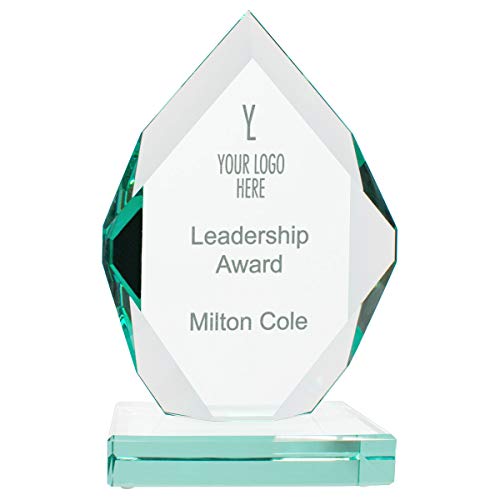
The most critical decision in selecting a plaque is the primary material. Each substrate carries a different psychological weight. Wood remains the gold standard for traditional, warm, and organic aesthetics. Hardwoods like walnut, cherry, and mahogany offer a sense of prestige and timelessness, making them ideal for retirement awards or memorial honors. If you are looking for something more modern or industrial, metal plaques—specifically brass, aluminum, or stainless steel—provide a sleek, high-contrast look that commands attention in corporate environments. For a more budget-friendly yet professional approach, acrylic or glass plaques offer a contemporary, translucent elegance that works exceptionally well in modern office settings or as high-end commemorative gifts.
Engraving Methods and Legibility
How the text is applied to the surface is just as important as the surface itself. You will typically encounter three main methods: engraving, printing, and etching. Deep engraving (often done via laser or CNC) creates a tactile, permanent groove in the material, which is highly durable and provides a premium feel. Etching, common in glass and acrylic, offers a sophisticated, frosted appearance that catches the light beautifully. For colorful or highly detailed designs, UV printing allows for full-color graphics to be applied directly to the surface. When choosing, consider the longevity required. Deep engraving is superior for items that will be handled frequently, while etching is best for display-only pieces where visual elegance is the priority.
Size, Scale, and Mounting Options
A common mistake is selecting a plaque that is disproportionate to its intended environment. A small plaque on a large, empty wall can look lost, while an oversized plaque on a crowded desk can feel intrusive. Consider the 'viewing distance'—if the plaque is meant to be read from across a room, larger lettering and a higher contrast between the text and the background are essential. Furthermore, pay close attention to mounting hardware. Does the plaque come with pre-installed standoffs (ideal for acrylic to create a floating effect), sawtooth hangers (best for traditional wood), or a desktop easel? Ensure the mounting method aligns with whether the plaque is intended for a wall, a mantle, or a professional desk.
Style Alignment and Context
Before finalizing your purchase, define the 'voice' of the award. A sports trophy plaque should feel energetic and perhaps use bolder, more athletic fonts and materials like polished metal. A memorial plaque requires a sense of solemnity, favoring darker woods and understated, elegant serif fonts. In a corporate setting, consistency is key. If you are ordering multiple plaques for an annual awards ceremony, ensure they all share a cohesive design language to maintain brand integrity. Always prioritize quality in the finish—look for smooth edges, even grain patterns in wood, and a lack of bubbles or imperfections in acrylic to ensure the piece feels like a true honor rather than a mass-produced trinket.