Understanding Card Stock and Weight
The foundation of any premium deck is the paper stock. When browsing MJM collections, you will notice variations in how the cards feel in your hands. For cardistry enthusiasts, a slightly thinner, more flexible stock is often preferred because it allows for faster transitions during complex maneuvers like spins and cuts. However, if your primary use is magic, you might prefer a slightly sturdier stock that provides better 'snap' and durability during sleight-of-hand manipulations. Pay attention to the density of the paper. A high-quality deck should feel substantial without being overly stiff, allowing the cards to retain their shape through hundreds of shuffles.
The Importance of Finish: Air-Cushion vs. Smooth
One of the most critical technical aspects of playing cards is the finish. Most top-tier decks utilize an air-cushion finish, which involves microscopic dimples on the surface of the card. These dimples create tiny pockets of air between the cards, allowing them to glide over one another with minimal friction. This is essential for smooth riffle shuffles and effortless spreads. If a deck lacks this texture, you may find the cards 'clumping' or sticking together, which is a death knell for both magicians and cardists. When selecting your MJM deck, prioritize those that emphasize a professional finish to ensure long-lasting playability.
Aesthetic Intent: Cardistry vs. Gaming
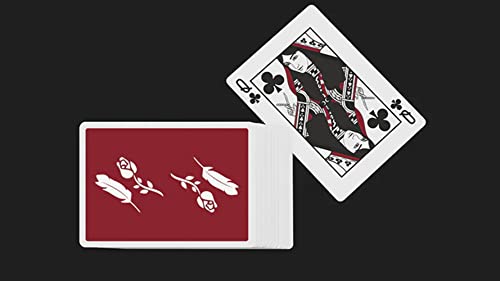
MJM decks often feature striking, avant-garde designs that go far beyond the standard red and black suits. You must decide if you are buying for utility or for visual impact. Cardistry-focused decks often feature asymmetrical back designs or high-contrast patterns that accentuate the movement of the cards during a routine. These designs are meant to be seen in motion. On the other hand, if you are looking for a deck for tabletop gaming or casual social play, you might opt for designs that are more traditional or symmetrical, ensuring that the deck remains functional and easy to read during a game of poker or blackjack.
Durability and Edge Quality
A deck is only as good as its ability to withstand repeated use. Look for decks that boast precision cutting. If the edges of the cards are uneven or rough, they will catch on one another, causing the deck to 'taper' or lose its squareness over time. High-quality MJM decks are known for their clean edges, which are vital for maintaining a consistent feel. Additionally, consider how the ink interacts with the finish. Premium decks use high-quality inks that won't smudge or peel, even after extensive handling and the natural oils from your skin have been applied to the surface.
Final Recommendation Logic
To make the best decision, first identify your primary discipline. If you are a cardist, prioritize air-cushion finishes and high-contrast back designs. If you are a magician, prioritize snap, durability, and subtle designs that don't distract from your sleight-of-hand. If you are a collector, focus on the rarity and the complexity of the artwork. By balancing these technical specifications with your personal usage style, you will find a deck that performs as beautifully as it looks.