Understanding the Port Quality
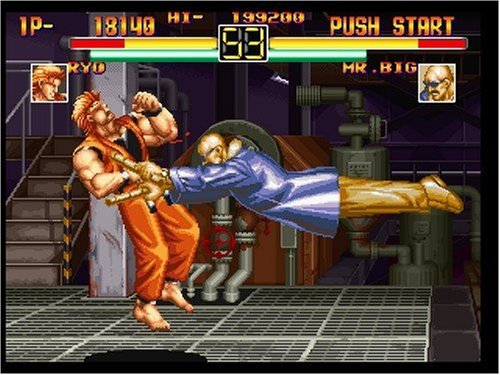
When collecting fighting games or arcade-style titles for the PlayStation 2, the first thing you must evaluate is the quality of the port. During the early 2000s, developers were often tasked with squeezing high-fidelity arcade hardware into the home console environment. This resulted in a spectrum of quality. Some titles are near-perfect translations that maintain the frame data and sprite fluidity of the original arcade machines, while others may suffer from significant slowdown, altered sound chips, or missing animation frames. Before committing to a purchase, research whether the specific title is considered a 'faithful port' or a 'compromised version.' For collectors, a faithful port is worth the premium, as it ensures the gameplay remains competitive and authentic to the original experience.
Physical Condition and Disc Integrity
Because these games are distributed on optical media, the physical state of the disc is your most critical decision factor. Unlike modern digital downloads, a scratched or oxidized disc can lead to loading errors, 'hiccups' during intense combat sequences, or total system failure. When browsing through secondary markets, prioritize discs that show minimal circular scratching. Pay close attention to the underside of the disc for signs of 'disc rot'—small pinpricks of light that appear when held up to a lamp—which indicates the data layer is degrading. For the enthusiast who values the complete experience, look for 'Complete in Box' (CIB) copies. A game with its original manual and insert is not only more aesthetically pleasing for display but often holds higher long-term value.
Genre Specialization and Playability
The PlayStation 2 library is vast, but your buying logic should be driven by your preferred sub-genre. Are you looking for the technical depth of a 2D fighter, the chaotic energy of a beat-'em-up, or the strategic elements of a puzzle game? If you are a competitive player, focus on titles known for their robust frame data and input reliability. If you are a casual player, look for titles that offer 'easy-to-learn, hard-to-master' mechanics. It is also wise to consider the 'input lag' inherent in older hardware. Some games are much more forgiving of the slight delay found in modern television displays than others. Knowing which titles are 'lag-tolerant' can save you from a frustrating experience.
The Collector's Value Proposition
Finally, consider the scarcity and the 'why' behind your purchase. Some titles were released in limited quantities in certain regions, making them highly sought after. However, do not let scarcity drive you into buying a mediocre game. The best way to build a collection is to balance 'grail' titles—those rare, expensive gems—with 'staple' titles that provide endless replayability at a reasonable price point. A well-curated collection should represent the peak of the era's technical achievement while ensuring that every disc you own provides a high-quality, functional gaming experience.