Identify the Primary Task
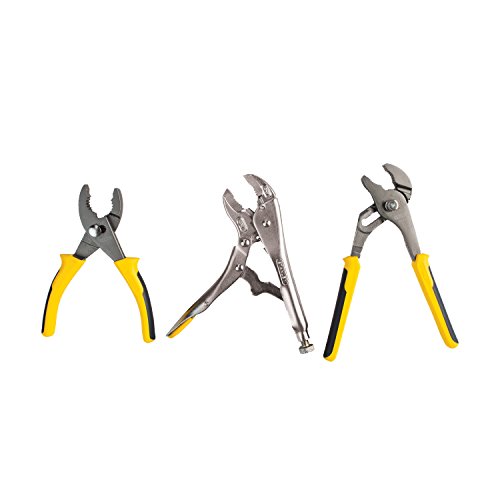
The most critical step in purchasing pliers is defining the application. Pliers are specialized tools, and using a general-purpose pair for a specialized task is a recipe for tool failure. If your work involves bending thin wires or reaching into tight enclosures, you need needle-nose pliers. If you are frequently tightening nuts or gripping flat surfaces, slip-joint or tongue-and-groove pliers are your best bet. For heavy-duty cutting and heavy wire manipulation, look toward linesman pliers. Always ask yourself: 'Am I gripping, bending, twisting, or cutting?' Your answer dictates the jaw geometry you require.
Material Quality and Forging Methods
Not all steel is created equal. For pliers that will see daily use, look for tools forged from high-carbon steel or chrome vanadium steel. These materials offer the best balance of hardness (to prevent the jaws from spreading) and toughness (to prevent the metal from snapping under pressure). Avoid lightweight, stamped-metal pliers for heavy tasks, as they will deform quickly. Additionally, pay attention to the finish. A polished chrome finish helps resist rust and corrosion, which is essential if you work in humid environments or garages. For professional-grade longevity, look for induction-hardened jaws, which ensure the cutting edges and gripping teeth remain sharp and effective over years of use.
Handle Ergonomics and Insulation
The handle is where the tool meets the user, making ergonomics a primary decision factor. Cheap pliers often feature hard plastic handles that can cause blisters during repetitive use. Instead, look for dual-material handles that combine a hard core for strength with a soft, thermoplastic rubber (TPR) coating for grip and comfort. If you are working on electrical projects, insulation is non-negotiable. However, be cautious: 'insulated' handles for DIY use are often just for comfort. For actual electrical safety, ensure the tool is specifically rated for high-voltage protection and meets relevant safety standards for electrical work.
Jaw Geometry and Grip Precision
The 'business end' of the pliers determines their effectiveness. Examine the teeth within the jaws. Serrated teeth provide a better grip on rounded objects, while smooth jaws are better for delicate tasks where you want to avoid marring a surface. If you are looking for versatility, adjustable pliers (often called tongue-and-groove) allow you to change the jaw width to accommodate different sized pipes or bolts. Check the pivot point as well. A smooth, tight pivot indicates high-quality manufacturing. A loose pivot will cause the pliers to wobble, leading to a loss of precision and increased risk of slipping.
Recommendation Logic
When building your collection, follow a tiered approach. Start with a high-quality pair of slip-joint pliers for general household repairs. Next, invest in a specialized pair of needle-nose pliers for precision work. Finally, if your projects involve heavy construction or electrical wiring, prioritize a heavy-duty set of linesman or diagonal cutting pliers. It is better to own three high-quality, task-specific tools than a single, mediocre multi-tool that performs poorly at everything.