Mechanical vs. Digital: Choosing Your Interface
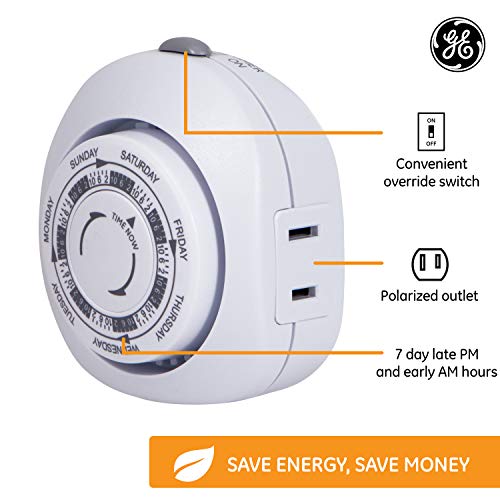
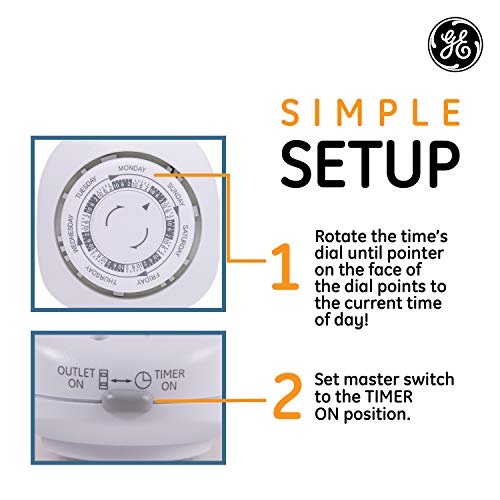
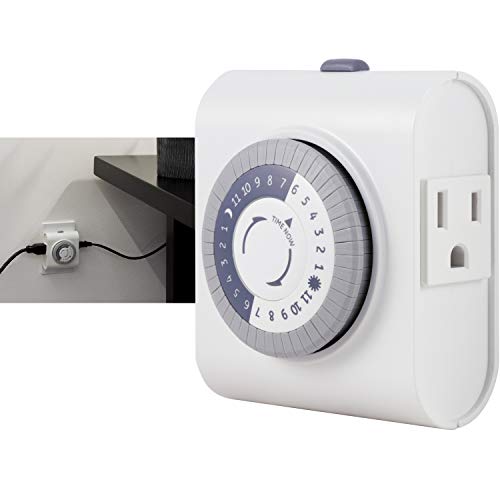
The first major decision in selecting a plug-in timer is choosing between mechanical and digital operation. Mechanical timers are the traditional workhorses of the category. They typically feature a rotating dial with small pins that you press down to set the 'on' duration. These are incredibly intuitive and easy to use for those who prefer tactile feedback. However, they suffer from two main drawbacks: they consume a tiny amount of electricity just to keep the internal clock running, and they often emit a faint humming sound. Digital timers, on the other hand, feature LCD screens and precise programming. They are more energy-efficient and allow for much more complex scheduling, such as setting different times for different days of the week. If you need a device that turns a lamp on at 7:00 PM every Monday but only at 8:00 PM on weekends, digital is your only real option.
Programming Complexity and Customization
When evaluating a timer, consider how much 'brain power' you want to invest during the initial setup. Basic timers are designed for 'set it and forget it' simplicity, often offering only a single on/off cycle per day. This is perfect for a simple Christmas tree light. Advanced digital models, however, allow for multiple cycles. For example, you could program a decorative fountain to run for two hours in the morning and two hours in the evening. Look for models that offer 'randomization' features if your goal is home security. These devices slightly vary the start times each day to make it look like someone is actually home, rather than following a predictable, robotic pattern that a burglar might notice.
Load Capacity and Safety Ratings
One of the most critical, yet frequently overlooked, factors is the electrical load capacity. Every timer has a maximum wattage and amperage rating. A timer designed for a small bedside lamp will likely fail—and potentially pose a fire hazard—if you attempt to plug a high-draw appliance like a space heater, a heavy-duty air conditioner, or a large motorized pump into it. Always check the label for the maximum amperage (usually measured in Amps) and ensure your device stays well within those limits. For high-power appliances, you should specifically look for 'heavy-duty' rated timers designed to handle inductive loads.
Physical Design and Outlet Access
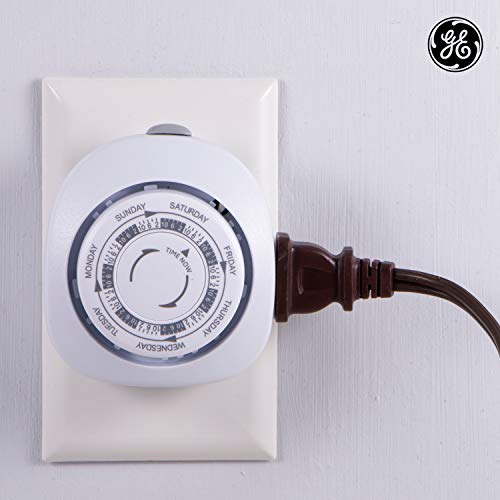
The physical footprint of the timer matters more than you might think. Many plug-in timers are bulky, and if you plug one into a standard wall outlet, it may block the second socket, effectively wasting an outlet. Look for 'side-entry' designs or models that feature a built-in outlet on the front of the device. This allows you to plug your appliance into the timer while still having access to the secondary outlet on the wall. Additionally, if you plan to use the timer in a garage, basement, or outdoor enclosure, ensure the model is rated for the specific environment to prevent moisture damage or electrical shorts.
Summary Recommendation Logic
To make your final choice, follow this logic: If you want the cheapest, easiest-to-use option for a single daily task, go with a **mechanical dial timer**. If you need precise control, different schedules for weekdays versus weekends, or energy efficiency, invest in a **digital timer**. If you are controlling anything that generates heat or has a motor, prioritize **high-amperage, heavy-duty models** over compact, decorative ones.