Material Quality and Tactile Experience
The most immediate factor in any plush purchase is the 'hand-feel.' High-quality plush figures utilize premium fabrics such as minky, faux fur, or velvet-style synthetics that feel soft to the touch but possess enough density to hold a shape. When evaluating a figure, look for consistent stitching density. If you can see the internal stuffing through the fabric, the item will likely lose its shape quickly. For collectors, a shorter, denser pile is often preferred as it allows for finer embroidered details. For younger children, look for 'super-soft' textures that are gentle on sensitive skin, but ensure the fabric is tightly woven to prevent snagging.
Structural Integrity and Display Ability
Because these are classified as 'figures' rather than just 'plushies,' many are designed to be displayed. This introduces the concept of internal structure. Some premium plush figures feature weighted bottoms (often filled with plastic pellets or glass beads) to help them sit upright on a shelf without toppling over. Others may have internal wire armatures that allow for posing. If you intend to use the toy as a decorative piece, prioritize figures with reinforced seams and a sturdy base. If the toy is purely for hugging, a more traditional, unstructured 'squish' profile might be more desirable.
Safety Standards and Construction Details
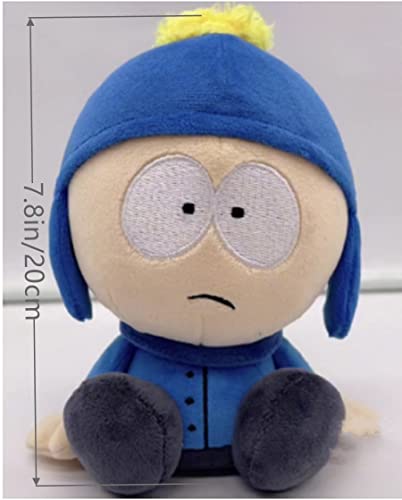
Safety is paramount, especially if the recipient is a child. Always check for 'safety eyes'—plastic components that are securely anchored into the fabric rather than being sewn on with thread, which can pose a choking hazard if they become detached. Furthermore, look for embroidered facial features. While plastic eyes can look more realistic, embroidered eyes are much safer for infants and toddlers and often give the character a more unique, artisanal charm. Ensure that all seams are double-stitched, particularly around the limbs and neck, which are the highest-stress points for any plush toy.
Theme and Character Accuracy
When buying generic or licensed-style plush figures, the 'accuracy' of the design is a key decision factor. A well-made plush figure should maintain the iconic silhouette of the character it represents. Pay close attention to the proportions. A figure that is too 'chibi' or exaggerated might lose the essence of the character you are seeking. For collectors, the nuance lies in the details—the specific shade of a character's color, the accuracy of an accessory, or the expression in the eyes. For casual buyers, the aesthetic appeal and color palette are usually the primary drivers.
Maintenance and Longevity
Finally, consider how the toy will be cleaned. Plush figures are magnets for dust and allergens. Some high-end plushies are 'surface washable' only, meaning you cannot submerge them in a washing machine without ruining the internal structure or the texture of the fur. If the toy is for a child who will inevitably play in the dirt, look for materials that are machine-washable on a gentle cycle. Always check the care label before your first cleaning to prevent the dreaded 'clumping' of synthetic fibers that can turn a beautiful figure into a lumpy mess.