Prioritize Ergonomics and Stability
The most critical factor in selecting a potty is the physical design. Toddlers are in a stage of rapid motor development, meaning they are often unsteady on their feet. A high-quality potty must feature a wide, non-slip base to prevent tipping during use. Look for models that sit low to the ground to allow the child to plant their feet firmly. This physiological stability is actually crucial for successful bowel movements. If the feet are dangling, the child may struggle to relax the necessary muscles. Additionally, consider the splash guard for boys and the rim height for girls to ensure the design is functional for their specific anatomy and developmental stage.
Material Safety and Ease of Sanitization
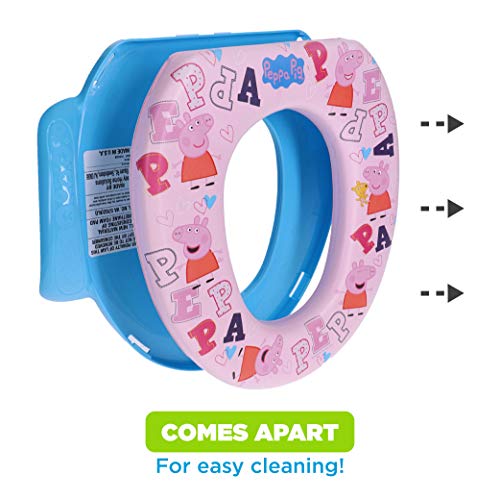
Potty training is a messy endeavor, and the material of the unit will dictate your daily cleaning routine. You should prioritize high-density, BPA-free plastics that are non-porous. Non-porous surfaces are essential because they prevent bacteria and odors from seeping into the material over time. When inspecting options, look for removable inserts or bowls. A single-piece unit is much harder to clean thoroughly, whereas a model with a detachable basin allows you to rinse the mess away in the sink or bathtub easily. Check if the surfaces are smooth. Deep crevices or overly textured plastics can trap waste and become difficult to sanitize.
Comfort and Sensory Considerations
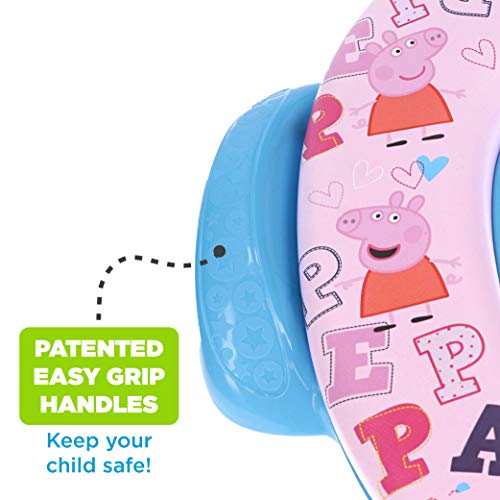
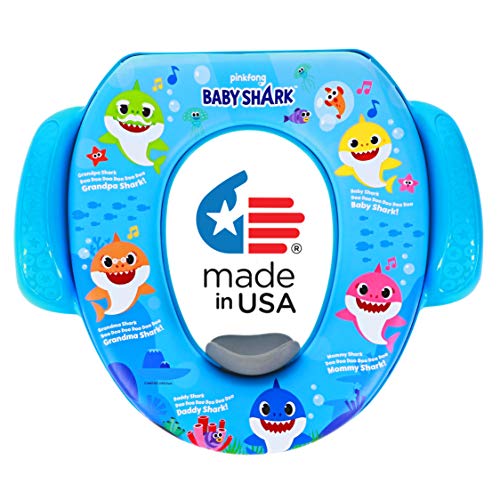
Every child reacts differently to new sensory experiences. Some toddlers may find a hard plastic seat intimidating or uncomfortable, while others might be sensitive to the sound of water or the feel of certain textures. Look for designs that offer ergonomic contouring—slight curves that mimic the shape of a human seat can make a significant difference in comfort. Some premium models even include padded inserts or soft-touch finishes. If your child is particularly anxious, a compact, standalone unit that they can control can feel much safer than a seat reducer that attaches to a large, daunting adult toilet.
Portability and Versatility
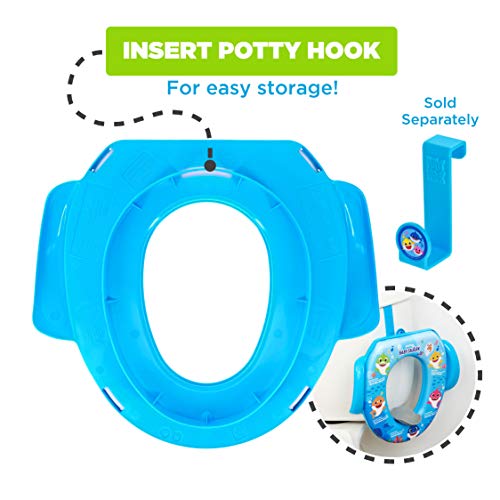
Consider where the potty will live. If you plan to use it exclusively in the bathroom, a stationary model with a sturdy base is fine. However, if you want to take the training process on the road, look for lightweight, compact designs that can fit into a diaper bag or a car seat. Some versatile designs allow for a dual-use approach: they can function as a standalone floor potty during the early stages and then be converted into a seat reducer for the family toilet once the child is more confident. This longevity ensures you get more value out of your purchase as your child grows.
The Decision Logic
When making your final choice, weigh your child's temperament against the product's features. For a child who is easily startled, prioritize a stable, low-profile unit that feels grounded. For a family that travels frequently, prioritize weight and modularity. Always cross-reference the ease of cleaning with your own lifestyle. If you don't have time for a complex disassembly every time a mess occurs, opt for the simplest, most streamlined design available.