Understanding Bore Size and Airflow Capacity
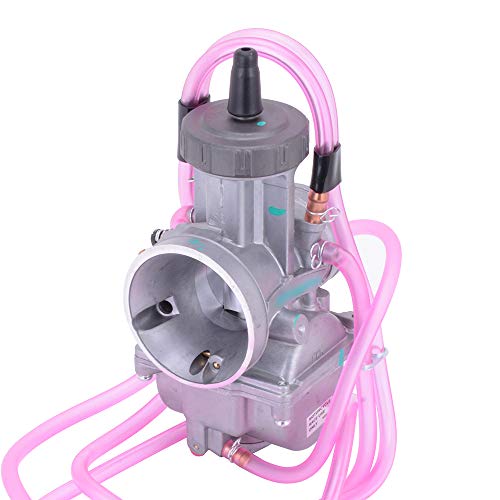
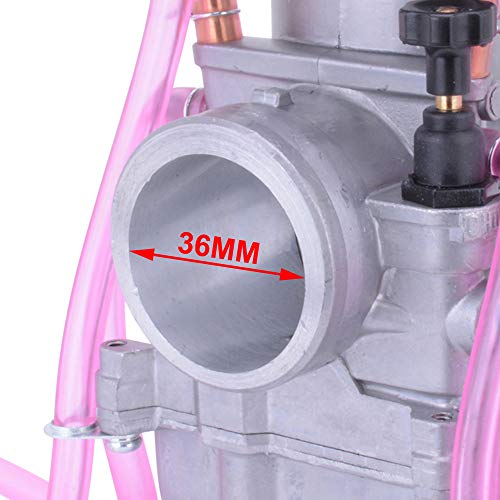
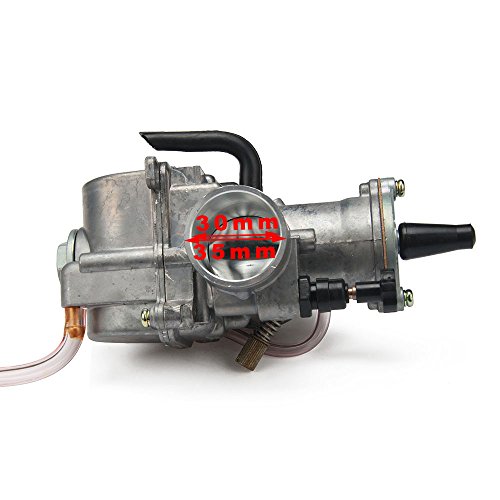
The most critical specification when selecting a performance carburetor is the bore diameter. In the world of powersports, a larger bore generally allows for more air and fuel to enter the combustion chamber, which can increase horsepower. However, more is not always better. If the bore is too large for your engine's displacement, you will suffer from sluggish low-end torque and poor throttle response, as the velocity of the incoming air becomes too slow to atomize the fuel effectively. When browsing JFG Racing options, match the bore size to your engine's displacement. For small-bore two-strokes, a precision-matched diameter is essential to maintain the 'snap' required for technical riding.
Jetting and Tunability
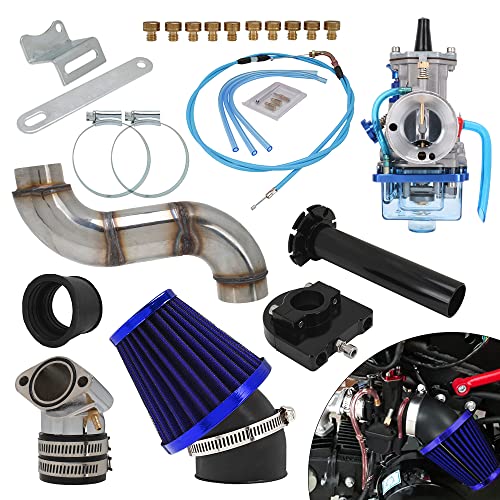
A carburetor is only as good as its ability to be tuned. High-performance racing environments often demand adjustments to account for altitude changes, humidity, and fuel quality. Look for carburetors that feature accessible jetting components, including pilot jets, main jets, and needle clips. A high-quality racing carburetor should allow for granular adjustments. If you are a novice, look for kits that include a variety of jet sizes. If you are an experienced tuner, prioritize units with high-quality brass components that resist corrosion and provide consistent flow patterns. The ability to fine-tune the idle circuit via the air screw or pilot screw is what separates a budget replacement from a true performance upgrade.
Material Construction and Durability
Powersports vehicles are subjected to extreme vibrations, temperature fluctuations, and often, harsh environmental elements like mud and dust. When evaluating JFG Racing products, pay close attention to the build quality of the float bowl and the throttle slide. Aluminum alloys are standard, but the finish matters. A hard-anodized or high-quality machined finish helps prevent fuel seepage and ensures that the internal components move smoothly without sticking. Furthermore, check the quality of the gaskets and O-rings included. A single vacuum leak caused by a cheap seal can ruin the tuning efforts of an entire afternoon.
Compatibility and Installation Complexity
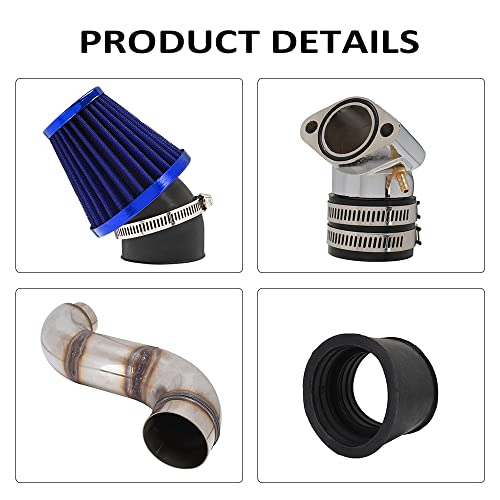
Before committing to a purchase, verify the mounting style. Carburetors typically come in two varieties: flange-mount and manifold-mount. Flange-mount units provide a more secure, stable connection to the intake, which is preferable for high-vibration racing engines. You must also consider the throttle linkage. Does the unit utilize a traditional cable pull, or does it require a specific butterfly valve mechanism? Ensure that the throttle slide is compatible with your existing cable housing to avoid the need for custom fabrication. A successful upgrade is one that integrates seamlessly with your existing airbox and intake tract, minimizing the need for aftermarket adapters that can introduce unwanted air leaks.
Recommendation Logic
When making your final decision, follow this hierarchy: First, prioritize fitment and bore size to ensure the engine can actually breathe. Second, prioritize tunability to ensure you can adapt to different riding conditions. Third, prioritize build quality to ensure the part survives the season. If you are looking for pure racing performance, lean toward larger bores and more complex jetting setups. If you are looking for reliability and ease of use, stick to standard diameters with robust, user-friendly adjustment screws.