Material Composition and Texture
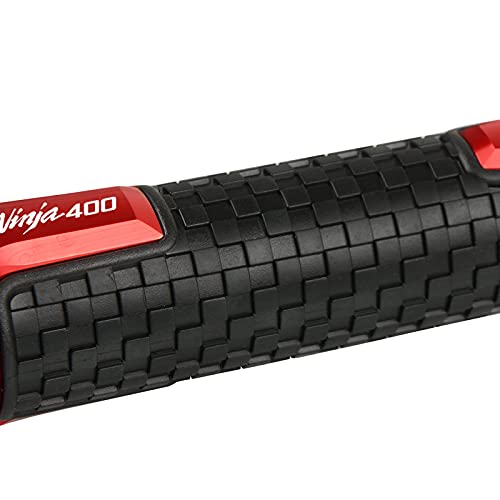
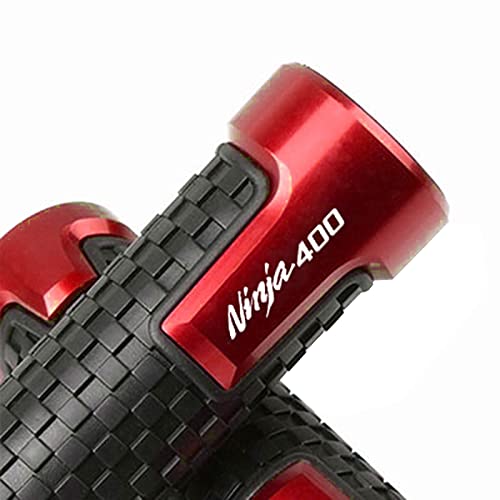
The first thing you must consider is the material. Most high-quality Lanqian grips utilize a specialized rubber or thermoplastic elastomer compound. Soft-compound rubber is excellent for vibration absorption, which helps prevent the 'buzzing' sensation in your hands during high-RPM operation. However, softer materials can sometimes feel 'mushy' under heavy braking or aggressive cornering. If you prefer a more communicative feel, look for grips with a medium-density compound. Additionally, pay close attention to the surface texture. Diamond knurling, waffle patterns, or ribbed textures are not just aesthetic choices. They are functional features designed to channel moisture, mud, and sweat away from your palms, ensuring your hands don't slip when things get messy.
Diameter and Ergonomic Fit
Grip diameter is a highly personal factor that significantly affects muscle fatigue. A thicker grip can help distribute pressure across the palm, which is often preferred by riders with larger hands or those looking to reduce cramping. Conversely, a slimmer grip allows for more precise finger manipulation on the brake and clutch levers, which is vital for technical enduro or motocross riding. When choosing Lanqian grips, consider how much 'meat' you want between your hand and the handlebar. If you find your hands cramping during long excursions, moving to a slightly larger diameter can provide much-needed relief.
Durability and Environmental Resistance
Powersports vehicles operate in some of the harshest environments on earth. Your grips are constantly exposed to UV rays, extreme temperature fluctuations, and chemical contaminants like gasoline and cleaning agents. When evaluating your options, look for grips that feature UV-stabilized compounds to prevent the rubber from drying out, cracking, or becoming 'tacky' over time. A grip that degrades quickly won't just look bad. It will become a safety hazard if it loses its structural integrity and begins to spin on the handlebar.
Installation Compatibility
Before purchasing, ensure the grips are compatible with your specific handlebar diameter. While most standard powersports bars follow a universal sizing convention, it is essential to verify this to avoid the need for specialized tools or the risk of improper seating. High-quality grips often feature a reinforced inner core to ensure they stay locked in place once installed. If you are replacing old, weathered grips, ensure you have a reliable method for removing the old adhesive or friction fit to prevent damaging your bars during the transition.
Decision Logic: Which Should You Choose?
To make your final decision, categorize your riding style. If you are a trail rider focused on long-distance comfort, prioritize soft-compound rubber and a thicker diameter to maximize vibration damping. If you are a competitive racer or technical rider, prioritize a medium-density compound with aggressive knurling for maximum control and lever feedback. By matching the material density and texture to your specific terrain, you turn a simple accessory into a performance upgrade.