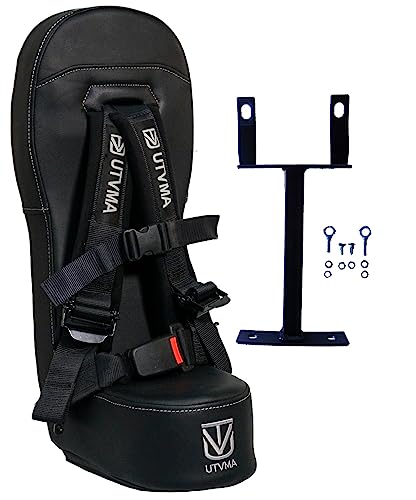
Prioritize Ergonomics and Lateral Support
The primary function of a performance UTV seat is to keep you centered in the cockpit. When navigating tight turns or uneven ruts, your body naturally wants to slide toward the door or roll within the seat cushion. Look for seats with aggressive side bolsters. These bolsters should be firm enough to hold your torso in place during cornering but not so restrictive that they make it difficult to climb in and out of the vehicle. High-back designs are particularly beneficial for long-distance riders, as they provide essential lumbar and shoulder support, significantly reducing the spinal fatigue that often sets in after several hours on the trail.
Material Durability and Weather Resistance
UTV environments are inherently harsh. Your seats will be subjected to direct sunlight, mud, dust, and constant moisture. When evaluating materials, prioritize high-grade marine-grade vinyl or specialized synthetic fabrics that offer UV resistance. Standard upholstery will crack and fade within a single season of heavy use. Furthermore, consider the breathability of the material. While heavy-duty vinyl is easy to wipe clean after a muddy ride, it can become uncomfortably hot in summer months. Some high-end options utilize perforated patterns or moisture-wicking fabrics to help regulate temperature, which is a vital consideration for riders in warmer climates.
Foam Density and Vibration Dampening
Not all foam is created equal. A seat that is too soft will 'bottom out' during hard landings, sending the shock directly into your spine. Conversely, a seat that is too stiff will transmit every pebble and vibration from the terrain, leading to numbness and discomfort. The ideal choice features multi-density foam—a softer top layer for immediate comfort and a high-density base layer to provide structural support during impacts. If you frequently ride in rocky or technical terrain, look for seats specifically engineered with vibration-dampening technology designed to complement your vehicle's shocks.
Mounting Compatibility and Installation
Before finalizing your purchase, you must verify the mounting configuration. UTV seat mounting can vary significantly between brands and even between different model years of the same vehicle. Some seats utilize a direct bolt-on pattern that matches the factory mounting points, while others may require aftermarket mounting brackets or specialized rails. Always check if the seat is designed for a single-rider setup or if it is part of a modular system that allows for passenger integration. If you plan on adding a roll cage or specialized harnesses, ensure the seat design includes adequate cutouts or mounting points for your safety equipment.
Recommendation Logic
When deciding between options, use this hierarchy: If your goal is maximum comfort for long-distance cruising, prioritize seat cushion thickness and lumbar support. If you are a competitive racer or trail enthusiast, prioritize lateral bolstering and high-density foam for stability. Finally, if you prioritize ease of maintenance, select a seat with smooth, non-porous surfaces that can be easily hosed down and dried.