1. Mounting Style and Compatibility
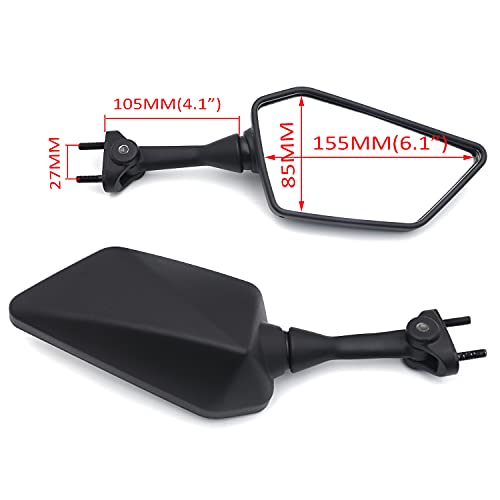
The first and most critical decision factor is how the mirror attaches to your vehicle. Powersports mirrors generally fall into three mounting categories. First are the traditional handlebar mounts, which typically use a standard diameter bolt. You must know your handlebar diameter (common sizes include 7/8 inch or 1 inch) to ensure a secure fit. Second are stem-mounted mirrors, which screw directly into the existing mirror housings on the fairing or handlebars. If you are switching from a stem-mount to a handlebar mount, you may need specific adapters. Finally, there are integrated mirrors found on certain adventure or touring models that mount directly into the control housing. Always verify the thread pitch and direction (left-hand vs. right-hand threads) before purchasing, as many motorcycles use reverse threads on the right side to prevent the mirror from loosening due to engine vibration.
2. Mirror Geometry and Field of View
The shape and size of the glass dictate your safety on the road. Streetfighters and naked bikes often benefit from bar-end mirrors, which provide a low profile but can sometimes offer a narrower field of view. Conversely, touring riders should prioritize larger, convex mirrors. Convex glass provides a wider peripheral view, helping you see more of the lane behind you, though it may make objects appear slightly smaller and further away than they actually are. When selecting a mirror, consider your riding position: if you sit upright, mirrors mounted higher will be more effective. If you are in a tucked, aerodynamic position, lower-mounted mirrors may be necessary to keep them in your line of sight.
3. Vibration Dampening and Material Quality
A common frustration with aftermarket mirrors is 'image blur' caused by engine and wind vibration. High-quality mirrors utilize internal dampening mechanisms or rubberized mounting points to absorb these oscillations. If the mirror stem is too thin or the mounting is too rigid, the reflection will shake so violently at highway speeds that it becomes useless. Look for mirrors constructed from durable materials like CNC-machined aluminum or high-impact polymers. Avoid cheap, lightweight plastics that may crack under wind pressure or vibrate excessively. A sturdy, weighted mirror housing is often a sign of a product designed to stay stable during high-speed maneuvers.
4. Aesthetic Integration and Style
Mirrors are a focal point of a motorcycle's silhouette. For a minimalist, aggressive look, bar-end mirrors are the gold standard, as they tuck the profile of the bike inward. For a classic or retro build, round, chrome-finished mirrors are essential to maintain period-correct styling. If you are riding a modern sportbike, angular, aerodynamic mirrors that mimic the lines of your fairings will provide a more cohesive appearance. Ensure the finish—whether it be matte black, brushed aluminum, or polished chrome—matches your existing controls and trim to avoid a mismatched, cluttered look.