Determine Your Primary Use Case
The first step in selecting a sissy bar is deciding whether your priority is passenger comfort or cargo capacity. If you frequently ride with a pillion, you should prioritize bars with a wider profile and integrated padding. A bar designed solely for luggage might be too narrow or lack the necessary ergonomic contours to support a passenger's spine during long hauls. Conversely, if you are a solo rider using the bar as a mounting point for sissy bar bags or roll bags, look for bars with reinforced mounting points and a sturdy frame that won't flex under the weight of heavy gear. Some Fengren models are optimized for heavy-duty utility, while others lean toward the cruiser aesthetic with a focus on passenger ergonomics.
Material Quality and Finish Durability
Since sissy bars are exposed to the elements—rain, road salt, and debris—the material composition is paramount. Most high-quality bars are constructed from heavy-duty steel tubing. However, the finish is what determines how long that steel stays looking new. Look for high-grade powder coating rather than simple paint. Powder coating provides a much thicker, more resilient barrier against oxidation and chipping. If you live in a coastal area with high salt air, or a region with harsh winters, a premium powder-coated finish is non-negotiable to prevent premature rusting at the weld points and mounting brackets.
Compatibility and Mounting Hardware
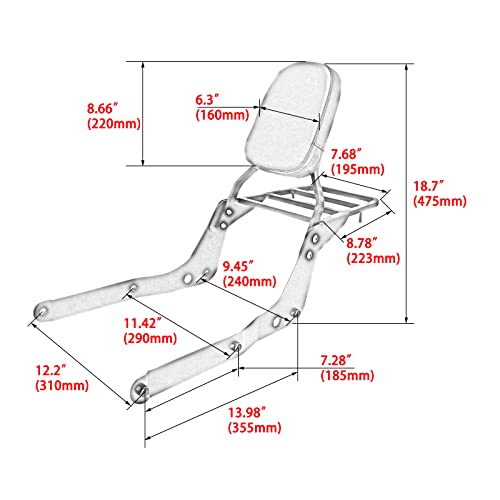
One of the most common mistakes in aftermarket upgrades is purchasing a bar that looks correct but fails to align with the motorcycle's fender struts. Before committing, you must verify the bolt pattern and the distance between your fender struts. A sissy bar that forces a mismatch in bolt alignment can lead to stripped threads or, worse, structural failure while riding. Pay close attention to whether the bar comes with all necessary mounting hardware. High-quality kits should include stainless steel or zinc-plated bolts that match the bar's finish, ensuring that the installation is seamless and the hardware won't become a weak point in the assembly.
Aesthetic Integration and Style
A sissy bar significantly alters the silhouette of your motorcycle. If you ride a classic cruiser, a taller, more traditional vertical bar can enhance that vintage profile. For modern street bikes or bobbers, you might prefer a shorter, more streamlined design that doesn't overpower the rear end of the bike. Consider how the bar interacts with your existing seat. A sissy bar that is too tall can make the bike feel top-heavy, while one that is too short may fail to provide adequate support. Aim for a design that complements the lines of your fuel tank and seat to ensure a cohesive, custom look.
Weight Capacity and Structural Rigidity
Finally, consider the load-bearing requirements. A sissy bar acts as a lever. The further the weight is from the mounting point, the more stress it puts on the fender. If you plan on mounting heavy panniers or a large camping pack, look for bars with thicker gauge tubing. A flimsy bar will vibrate excessively at highway speeds, which can lead to metal fatigue and eventual cracking. A rigid, well-constructed bar ensures that your cargo stays stable and your passenger feels secure, providing peace of mind on every mile of the journey.