Understanding the Prebiotic Profile
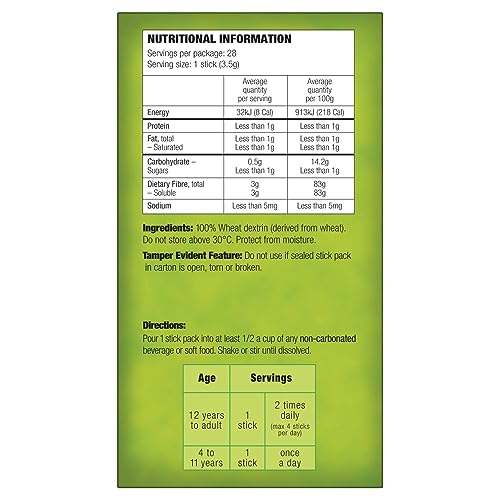
Not all prebiotics are created equal, and the effectiveness of a stick pack depends entirely on the specific type of 'fuel' it provides to your beneficial bacteria. When browsing options, look for specific fiber types rather than just a generic 'prebiotic blend.' Inulin and chicory root fiber are common, high-quality staples that provide excellent bulk and fermentation support. However, if you have a sensitive digestive system, you might want to look for more diverse options like partially hydrolyzed guar gum (PHGG) or fructooligosaccharides (FOS), which are often gentler on the stomach and less likely to cause the bloating sometimes associated with high-dose inulin. The best stick packs offer a profile that complements your existing diet rather than just adding more of the same fiber you already consume.
Strain Diversity vs. Fiber Concentration
A common mistake consumers make is focusing solely on the total grams of fiber per serving. While fiber is the primary driver, the quality of that fiber matters. Some premium stick packs incorporate a 'synbiotic' approach—combining prebiotics with probiotics. If your goal is comprehensive gut restoration, look for products that include both the fuel (prebiotics) and the living organisms (probiotics). If you are choosing a pure prebiotic, ensure the ingredient list is transparent. You want to see a concentration of fermentable substrates that are clinically recognized for supporting short-chain fatty acid (SCFA) production, which is the ultimate goal of prebiotic supplementation.
Solubility and Palatability
The primary advantage of a stick pack is convenience, but that convenience is lost if the powder clumps or leaves a gritty residue in your water. High-quality prebiotic powders should be highly soluble, dissolving almost instantly in water, tea, or even a morning smoothie without requiring vigorous shaking. Because many prebiotics are naturally tasteless or slightly earthy, pay close attention to flavor profiles. Some brands use stevia or monk fruit for sweetness, while others offer unflavored versions designed to be 'invisible' in coffee or juice. If you are sensitive to artificial sweeteners, opt for an unflavored variety to ensure you can integrate the supplement into any beverage without altering the taste profile.
Packaging Integrity and Portability
Since stick packs are intended for travel and on-the-go use, the structural integrity of the packaging is a key decision factor. Look for nitrogen-flushed or foil-lined sachets that protect the ingredients from moisture and light. Prebiotics can be hygroscopic, meaning they absorb moisture from the air. If the seal is weak, your powder will turn into a hard brick before you can finish the box. A premium stick pack should be easy to tear without needing scissors, ensuring that you can actually use the product when you are away from home.
Summary Recommendation Logic
When making your final selection, follow this hierarchy: First, identify your tolerance level (gentle fibers for sensitive stomachs, high-fiber for regularity). Second, determine your usage pattern (unflavored for versatility, flavored for standalone drinking). Third, verify the solubility. A product that is easy to swallow, easy to mix, and scientifically backed by specific fiber types will always outperform a generic 'gut health' blend.