Understanding Shielding Effectiveness and Material Composition
The most critical factor in any Magcomsen protective shirt is the fabric composition. These shirts typically utilize a blend of conductive fibers—such as silver, copper, or nickel—woven into high-quality cotton or synthetic bases. When evaluating a shirt, you must look beyond the aesthetic and focus on the shielding attenuation. High-quality protective shirts should provide significant decibel (dB) reduction across a wide range of frequencies, specifically targeting the GHz range used by modern 5G networks and high-speed Wi-Fi. A shirt that only protects against low-frequency electric fields may fail to mitigate the high-frequency electromagnetic radiation that is most prevalent in modern digital environments. Always check the specified frequency range coverage to ensure it aligns with the specific types of radiation you are concerned about.
Fit, Layering, and Practicality
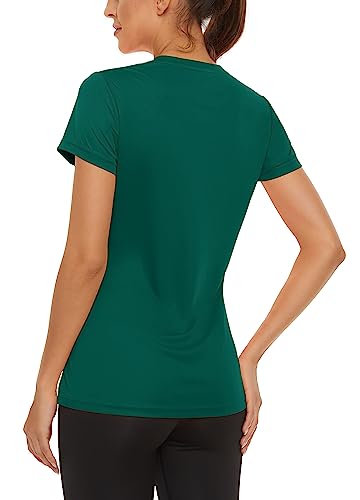
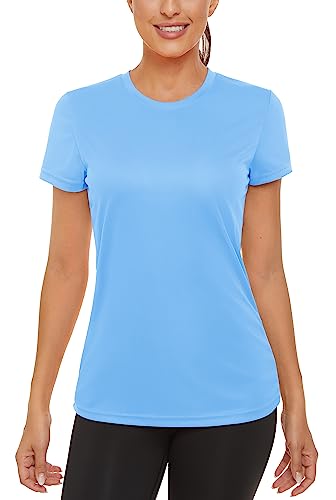
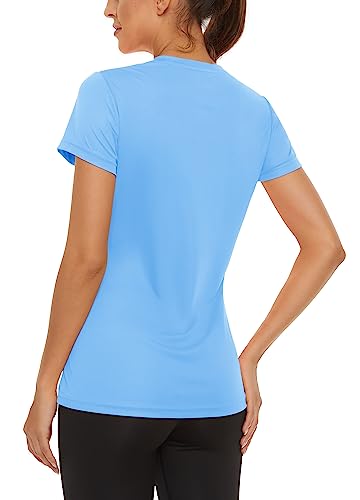
Unlike standard fashion, the utility of a protective shirt is heavily dependent on how it is worn. Because these garments are designed to deflect electromagnetic waves, any significant gaps in coverage can lead to 'leakage.' For instance, if a shirt is too loose, the waves may penetrate through the openings at the neck, sleeves, or hem. However, Magcomsen designs many of its shirts to be worn as base layers. If you plan to wear the shirt under a standard button-down or sweater, a slim, form-fitting cut is preferable to ensure the conductive fabric stays close to the body, maximizing the continuous shielding effect. Conversely, if you intend to use the shirt as an outer layer, look for breathable fabrics that prevent overheating, as the metallic fibers used for shielding can sometimes reduce the natural moisture-wicking capabilities of the garment.
Durability and Maintenance Requirements
Because Magcomsen protective shirts rely on metallic micro-fibers to function, they require much more careful maintenance than your average cotton t-shirt. The longevity of the shielding effectiveness is directly tied to how you wash the garment. Harsh detergents, fabric softeners, and high heat in the dryer can oxidize the conductive fibers or cause them to break, which permanently diminishes the shirt's ability to block EMF. When selecting a model, consider the care instructions carefully. Most high-end protective shirts recommend gentle hand washing or a delicate machine cycle with cold water and no additives. If you are looking for a shirt for frequent, heavy use, ensure the manufacturer specifies that the shielding properties are rated for repeated laundering.
Determining Your Specific Use Case
Your decision logic should be driven by your environment. If your primary concern is office-based EMF (computers, routers, and monitors), a lightweight, breathable shirt that fits easily under professional attire is the logical choice. If you are an engineer or technician working in high-exposure industrial zones, you may require a shirt with higher density shielding, even if it feels slightly heavier or less flexible. By matching the shielding intensity and fabric weight to your specific exposure profile, you can find a Magcomsen garment that offers peace of mind without compromising your physical comfort or professional appearance.