Prioritizing Protein Source and Bioavailability
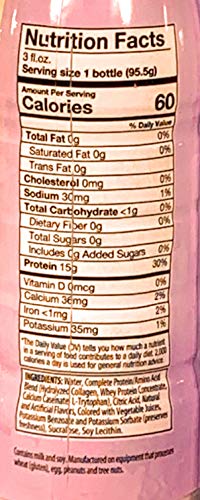
The cornerstone of any high-quality protein drink is the source of the amino acids. Not all proteins are created equal when it comes to how your body absorbs and utilizes them. If you are looking for rapid muscle protein synthesis following intense resistance training, whey protein isolates are often the gold standard due to their high biological value and fast digestion. However, if you are managing plant-based dietary requirements, you must look for a blend rather than a single source. Single-source plant proteins, like pea protein alone, can sometimes be limiting in their amino acid profiles. Look for combinations such as pea and rice protein, which mimic the complete amino acid profile found in animal proteins. Always check the label for the 'complete protein' designation to ensure you are getting all the essential amino acids necessary for cellular repair.
Evaluating the Macronutrient Balance
A common mistake is choosing a drink based solely on the protein count while ignoring the accompanying carbohydrates and fats. If your goal is weight management or blood sugar stability, you should prioritize drinks with a low glycemic index. This means looking for minimal added sugars and a moderate amount of healthy fats, such as MCT oil or nut-based fats, which help slow down digestion and provide sustained energy. Conversely, if you are using these drinks as a pre-workout fuel, a slightly higher carbohydrate content may be beneficial to provide immediate glucose for your muscles. The ideal 'essential' drink should offer a ratio that supports your specific activity level—high protein for recovery, and balanced macros for meal replacement.
Ingredient Transparency and Additives
In the category of wellness-focused drinks, the 'less is more' rule often applies. High-quality brands will prioritize whole-food ingredients and avoid the 'chemical cocktail' effect. Pay close attention to artificial sweeteners like aspartame or sucralose, which can disrupt gut microbiome health and cause bloating in sensitive individuals. Instead, look for natural sweeteners such as stevia, monk fruit, or small amounts of coconut sugar. Furthermore, examine the fiber content. A drink that includes prebiotic fibers like inulin or chicory root not only aids in digestion but also helps create a feeling of fullness, making the drink a more effective tool for appetite control.
Texture, Solubility, and Flavor Longevity
A protein drink is only effective if you actually enjoy drinking it. Many high-protein formulas suffer from a chalky, gritty texture that makes them difficult to consume regularly. To avoid this, look for products that emphasize 'micronized' proteins or those that utilize emulsifiers derived from natural sources to ensure a smooth, creamy mouthfeel. Flavor profiles also matter. While chocolate and vanilla are staples, they can become monotonous. Diversifying your selection with more complex profiles like salted caramel or matcha can improve long-term adherence to your nutritional regimen. Finally, consider the solubility—if you plan to mix these with water or milk on the go, ensure the powder or liquid concentrate is designed to blend without clumping.