Understanding the Mechanics of Speed
The core appeal of a pull-back vehicle lies in its internal spring-loaded motor. When you pull the car backward on a flat surface, you are winding a torsion spring that stores kinetic energy. When released, that energy is transferred to the wheels, propelling the car forward. When shopping, pay close attention to the 'release consistency.' A high-quality vehicle should launch in a straight line without veering sharply to one side. If the internal gears are poorly aligned, the car will wobble or spin aimlessly, ruining the immersion of a high-speed race. Look for vehicles that feature robust internal gearboxes, often indicated by a slightly heavier weight in the chassis, which suggests more durable components.
Aesthetics and Licensing Accuracy
Since these vehicles are themed around video games, visual fidelity is paramount. Collectors and younger fans alike look for accuracy in paint schemes, decal placement, and body proportions. A great video game pull-back car should immediately be recognizable as a character or vehicle from a specific franchise—whether it is a neon-soaked racer from a futuristic combat game or a rugged off-road vehicle from a sandbox adventure. Check the quality of the plastic molding. Sharp, clean lines on the spoilers, bumpers, and chassis indicate a premium product. Avoid vehicles where the stickers look prone to peeling or where the colors look washed out compared to their digital counterparts.
Durability and Material Composition
Because pull-back cars are designed for high-speed impact and frequent collisions, durability is a non-negotiable factor. There are two main types of construction: all-plastic and die-cast metal. Die-cast models offer a premium feel and superior weight, which helps them maintain momentum during a race, but they can be more prone to paint chipping during crashes. All-plastic models are often more resilient to drops and are generally safer for younger children. For enthusiasts who plan to engage in competitive racing, look for reinforced wheel axles and high-friction rubber tires. Rubber tires provide much better grip on various surfaces, such as hardwood floors or low-pile carpets, whereas hard plastic wheels tend to slide and lose energy quickly.
Scale and Playability
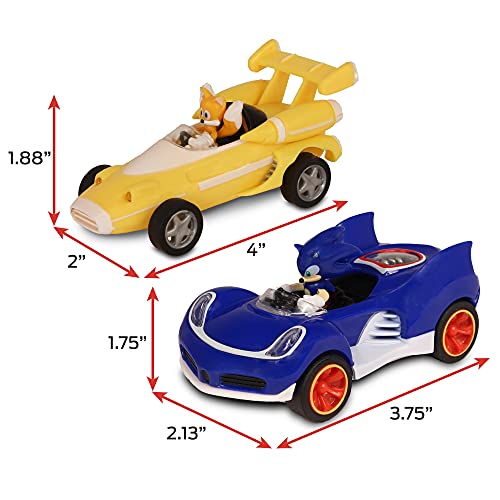
Consider the intended environment for these cars. If you are looking for a vehicle to race on a dedicated track system, scale consistency is vital. If you are looking for 'desk toys' to decorate a gaming setup, smaller, more compact models might be preferable. Larger scale models often feature more intricate interior details and better mechanical performance, but they require more space to reach top speeds. If you plan on racing multiple vehicles together, try to ensure they are within a similar scale range so that collisions feel realistic and fair.
Recommendation Logic: Which should you choose?
Your decision should be driven by your primary goal. If you are a collector, prioritize licensed accuracy and die-cast materials. The visual prestige and weight make them better display pieces. If you are a parent looking for a gift, prioritize durability and safety. Look for rounded edges and high-impact plastic construction. If you are a competitive racer, focus on the mechanics. Prioritize vehicles with rubber tires and smooth-rolling axles to ensure the most consistent and impressive speed bursts during play.