Pin Head Material and Grip
The most immediate distinction in push pin selection is the material used for the head. Most high-quality options utilize plastic, which is lightweight and comes in a vast array of colors. Plastic heads are ideal for color-coding systems—for example, using red pins for urgent deadlines and blue pins for general reference. However, if you are looking for a more professional or sophisticated aesthetic, consider metal-headed tacks. Metal pins often provide a more substantial feel and can blend seamlessly into high-end corkboards or fabric-covered partitions without looking like office supplies. When choosing, consider if you need the visual pop of colored plastic or the understated elegance of polished metal.
Point Sharpness and Shaft Durability
The functionality of a pin is entirely dependent on its ability to penetrate a surface with minimal resistance. A poor-quality pin will often bend or dull after only a few uses, forcing you to apply excessive pressure that can lead to accidental stabs or broken pins. Look for pins with hardened steel shafts. A high-quality shaft should be straight, tapered, and capable of piercing through thick cardstock or heavy-duty cork without buckling. If you plan on using these pins frequently in a high-traffic environment, such as a classroom, the durability of the point is your most critical metric for long-term value.
Head Diameter and Surface Area
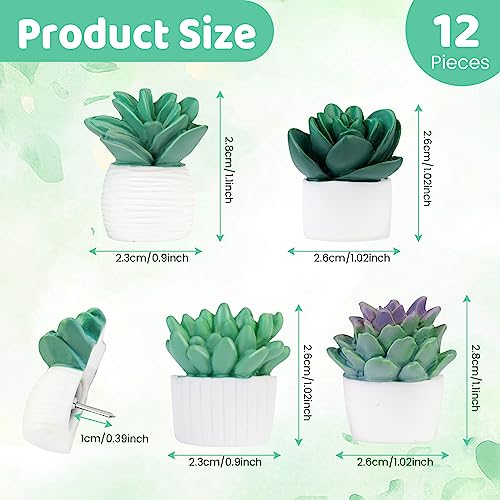
The size of the pin head is not just about aesthetics. It is a functional decision based on what you are hanging. A pin with a very small, minimalist head is excellent for lightweight items like photographs or single sheets of paper where you want the pin to be nearly invisible. Conversely, if you are mounting heavier items—such as thick posters, laminated maps, or multi-layered notices—you need a pin with a wider head diameter. A wider head provides more surface area to catch the material, preventing it from slipping off the point or tearing through the paper under its own weight.
Quantity and Organizational Value
Because push pins are easily lost or misplaced, they are best purchased in bulk sets. When evaluating options, look for sets that offer a variety of colors if you intend to use them for organizational mapping. A multi-color assortment allows for a more intuitive visual language on your bulletin board. If you are using them for a singular, uniform purpose—such as a professional presentation board—a monochromatic set (all white, all black, or all silver) will maintain a cleaner, more cohesive look. Always check the estimated count in a package to ensure you are getting a sustainable supply for your project needs.