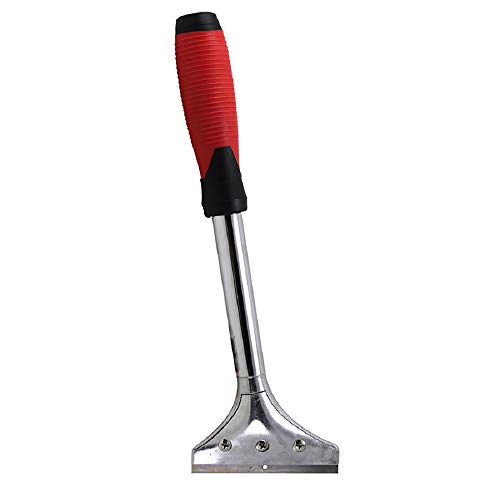
Understanding Blade Material and Temper
The most critical component of any putty knife is the blade. Warner Manufacturing typically offers blades in various grades of steel, and your choice should depend heavily on the specific task at hand. For heavy-duty scraping—such as removing old paint, dried spackle, or stubborn adhesives—you need a blade with high rigidity. A stiff, tempered steel blade will resist bending under pressure, allowing you to apply significant force without the tool buckling. Conversely, if your goal is to apply thin layers of joint compound or skim coat, a more flexible blade is essential. A flexible blade allows the user to follow the subtle contours of a wall or ceiling, ensuring an even distribution of material without leaving ridges or 'chatter' marks.
Blade Width and Application Specificity
One size does not fit all when it comes to width. A common mistake is attempting to use a wide blade for detail work or a narrow blade for large surface areas. For filling small nail holes or repairing minor cracks, a narrow blade (typically 1 to 2 inches) provides the control necessary to prevent over-application. For spreading compound over large drywall seams or smoothing out wide patches, you will require a wider blade (6 inches or more) to minimize the number of strokes required, which prevents uneven drying patterns. When shopping, consider the scale of your project. Having a variety of widths is often more effective than owning one 'do-it-all' tool.
Handle Ergonomics and Grip Type
The interface between the tool and your hand determines how long you can work before fatigue sets in. Putty knives generally fall into three ergonomic categories: wooden handles, plastic handles, and ergonomic rubberized grips. Wooden handles are traditional and offer a solid, heavy feel that some professionals prefer for its balance, but they can become slippery if your hands are sweaty or covered in compound. Plastic handles are lightweight and cost-effective, making them ideal for light-duty tasks. However, for extended use, look for models featuring ergonomic, non-slip grips. These are designed to reduce hand strain and provide better leverage, which is vital when you are applying downward pressure during scraping or spreading operations.
Edge Profile and Durability
Finally, pay close attention to the edge profile of the blade. A sharp, clean edge is necessary for scraping away old material without gouging the substrate underneath. High-quality putty knives are designed to hold their edge through repeated use. When evaluating a tool, consider the thickness of the metal. A blade that is too thin may warp easily, while one that is too thick may be difficult to maneuver in tight corners. A well-manufactured knife will maintain a consistent profile even after heavy use, ensuring that your smoothing strokes remain flat and predictable over time.