Evaluate the Color Theory and Palette Cohesion
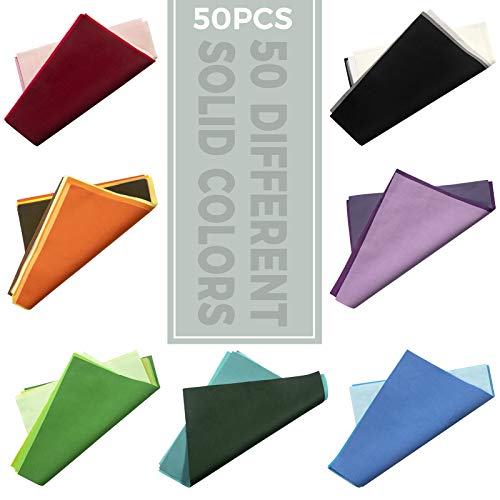
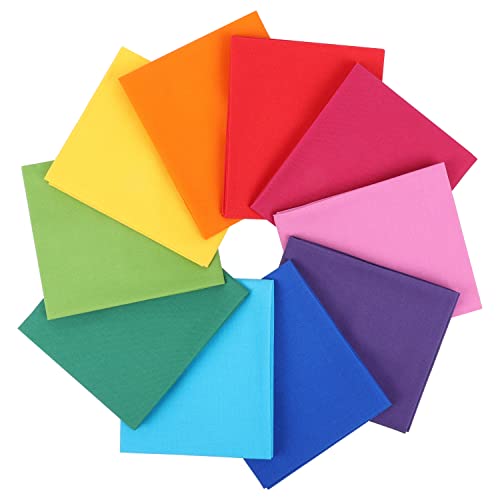
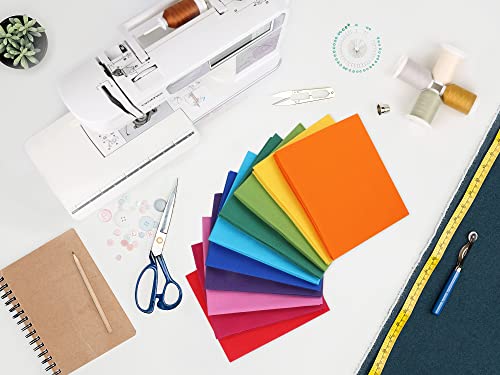
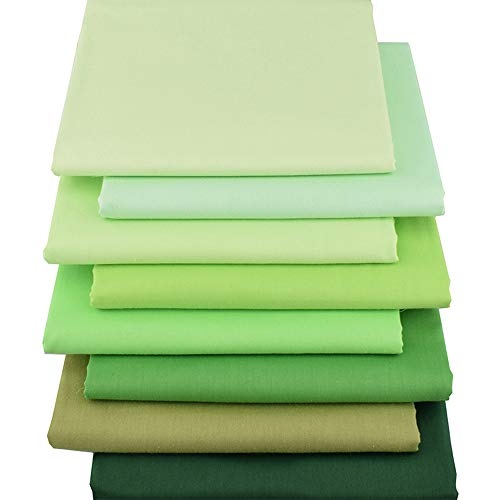
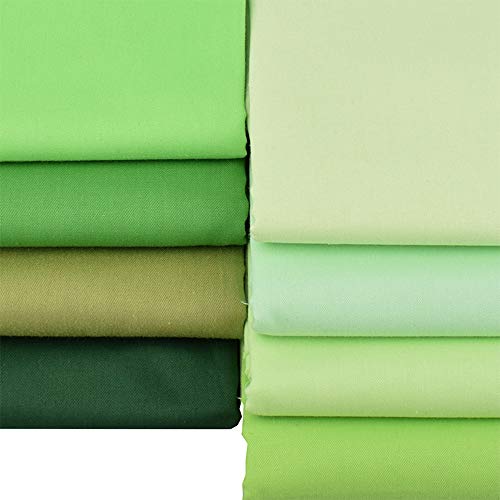
The most critical factor when purchasing a solid fabric assortment is the underlying color story. A well-designed assortment follows a specific color theory—such as monochromatic, analogous, or complementary—which ensures that every piece of fabric can work with every other piece. When browsing, look for assortments that offer a range of values. This means you need dark shades for depth, mid-tones for body, and light shades for highlights. If an assortment consists entirely of medium-toned solids, your quilt may end up looking 'flat' or muddy. A professional-grade assortment will provide enough contrast to make your geometric shapes pop, which is vital for intricate designs like improv quilting or paper piecing.
Prioritize Fiber Content and Fabric Weight
Not all solids are created equal in terms of texture and utility. For quilting, 100% high-quality cotton is the gold standard due to its stability and ease of pressing. However, pay close attention to the weight of the fabric included in the assortment. Some assortments may mix lightweight calicos with heavier quilting cottons. While versatile, this can lead to uneven tension during sewing if you are not careful. For a seamless quilting experience, look for assortments that promise consistent weight and weave. This ensures that when you sew multiple pieces together, the fabric doesn't pucker or stretch inconsistently, maintaining the structural integrity of your quilt top.
Check the Quantity and Cut Sizes
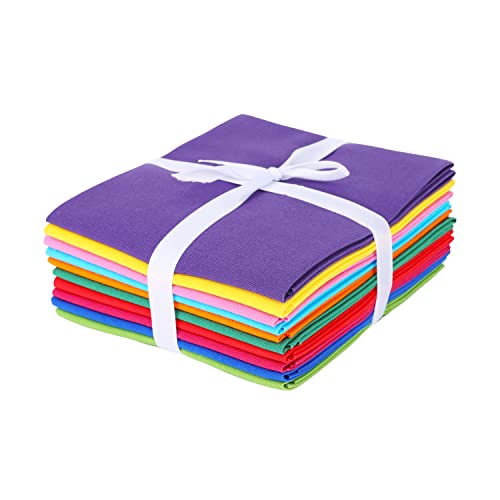
Before committing to an assortment, you must determine if the quantity meets your project's scale. Assortments typically come in two formats: precuts (such as charm packs, jelly rolls, or layer cakes) and fat quarter bundles. If you are working on a small baby quilt, a charm pack of 5-inch squares might suffice. However, for a standard throw or queen-sized quilt, you will likely need larger cuts like fat quarters to ensure you have enough yardage to cover the surface area. Always verify the dimensions of the individual pieces within the assortment. A 'bundle' might sound generous, but if the pieces are small scraps rather than substantial cuts, you may find yourself needing to purchase additional yardage to complete your design.
Consider the 'Visual Weight' and Texture
While the category is 'solids,' the most sophisticated assortments often incorporate subtle variations in texture to prevent the quilt from looking sterile. Look for assortments that might include a mix of smooth cottons, subtle ginghams, or very fine textures. These slight deviations act as 'near-solids,' providing visual interest without breaking the clean lines of a solid-focused design. If you are an advanced quilter focusing on texture-heavy techniques like plexi-quilting or heavy appliqué, ensure the solids you select are high-density weaves that can withstand significant handling and stitching.
Recommendation Logic: How to Choose
When deciding which assortment to purchase, use this logic: If your goal is a modern, minimalist aesthetic, choose an assortment with a tight, monochromatic color scheme and high contrast between light and dark. If you are looking to practice color blending and ombre effects, seek out an assortment that follows an analogous color wheel (colors next to each other, like blues, teals, and greens). Finally, always prioritize quality over quantity. It is better to have ten high-quality, perfectly matched solid cuts than twenty mismatched scraps that force you to compromise your color vision.