Prioritizing Ergonomic Elevation Heights
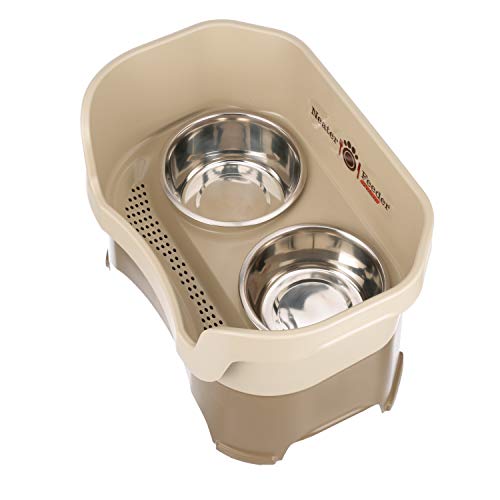
The primary reason to invest in a raised bowl is to bring the food closer to the cat's natural eating plane. If a bowl is too low, your cat must tuck their chin toward their chest, which can lead to esophageal discomfort and increased acid reflux. Conversely, if the stand is too high, they may have to tilt their head back uncomfortably. When selecting a raised bowl, consider your cat's size and age. For kittens, a lower elevation is preferable to allow them to grow into the setup, whereas senior cats with arthritis often benefit significantly from a higher, more stable platform that requires minimal bending. Look for adjustable stands if you want a long-term solution that evolves with your pet.
Material Matters: Hygiene and Durability
The material of the bowl itself is just as important as the stand. While plastic is common and inexpensive, it is highly prone to microscopic scratches that can harbor bacteria, leading to feline acne—a painful skin condition on the chin. For a premium experience, prioritize stainless steel or high-quality ceramic. Stainless steel is non-porous and incredibly easy to sanitize, while ceramic offers weight, which prevents the bowl from sliding around during enthusiastic feeding sessions. Ensure that the stand is made of a sturdy material like bamboo or heavy-duty metal to prevent tipping, which can lead to messy spills and frustration for both pet and owner.
Combating Whisker Fatigue
One of the most overlooked aspects of cat bowl design is the width and depth of the dish. Many cats suffer from 'whisker fatigue,' a sensory overload that occurs when their sensitive whiskers constantly touch the sides of a deep, narrow bowl. When choosing a raised bowl, look for shallow, wide-rimmed designs. A wider surface area allows the cat to approach the food from various angles without their whiskers making contact with the edges. This design encourages more relaxed eating habits and can reduce the stress some cats feel during mealtime.
Stability and Non-Slip Features
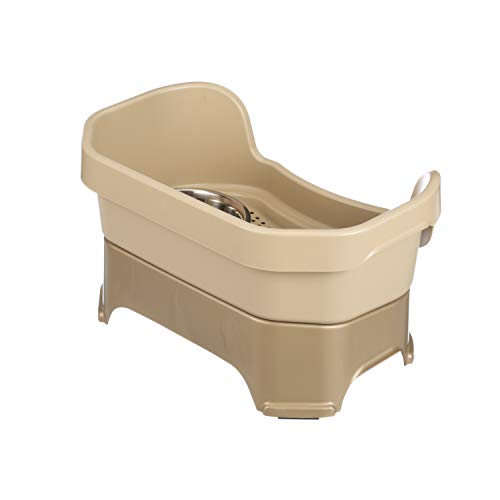
A raised bowl is only effective if it remains stationary. If the stand wobbles or slides every time your cat takes a bite, it can create a negative association with mealtime. Check for rubberized, non-slip feet on the bottom of the stand. This is crucial not only for keeping the bowl in place but also for protecting your hardwood or tile floors from scratches. A heavy base is a hallmark of a well-engineered feeding station, ensuring that even the most energetic eaters cannot easily upend their dinner.
Ease of Maintenance and Cleaning
Finally, consider how much work you will have to do to keep the feeding station pristine. The best elevated systems feature removable bowls that are dishwasher safe. If the stand is made of wood, ensure it has a water-resistant coating to prevent warping from occasional spills. A setup that is difficult to clean will inevitably become a breeding ground for bacteria, defeating the purpose of an ergonomic upgrade. Aim for a modular design where the bowl and the stand can be easily separated for thorough scrubbing.