Understanding Conductor Material and Purity
The heart of any RCA cable is its conductor. For audiophiles seeking the most transparent sound, the material composition is paramount. Most high-end cables utilize oxygen-free copper (OFC) or silver-plated copper. OFC is favored for its ability to provide a clean, natural sound profile with minimal impurities that could cause signal loss. Silver, on the other hand, is a superior conductor of electricity and is often used to enhance high-frequency clarity and 'air' in the soundstage. When choosing, consider your existing system: if your setup sounds slightly dull or muffled, a silver-plated cable might provide a much-needed brightness, whereas pure copper is excellent for a balanced, warm, and musical presentation.
Shielding and Interference Rejection
RCA cables are analog, meaning they are highly susceptible to Electromagnetic Interference (EMI) and Radio Frequency Interference (RFI). In a modern home filled with Wi-Fi routers, smartphones, and power supplies, these invisible waves can induce a constant 'hum' or 'buzz' in your audio signal. To combat this, look for cables that feature robust shielding. This can include braided copper shielding, foil shielding, or even dual-layer shielding techniques. A well-shielded cable ensures that the signal remains pure and that the 'noise floor' of your system stays low, allowing for deeper blacks in the music and more precise instrument separation.
Connector Quality and Build Integrity
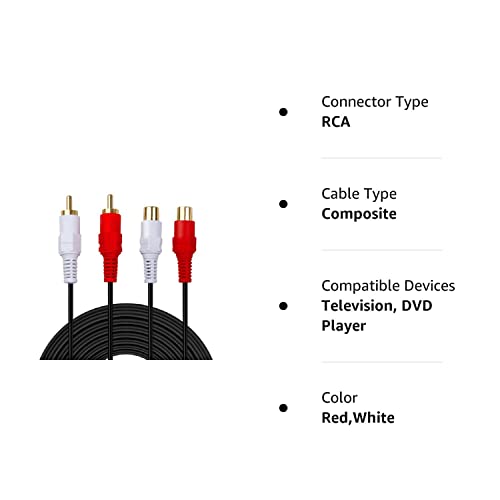
A cable is only as good as its connection points. Even the best internal wiring will fail to perform if the RCA plugs are poorly constructed. Look for connectors that are gold-plated, as gold is highly resistant to corrosion and oxidation, ensuring a stable connection over years of use. Furthermore, pay attention to the physical construction of the plug. Heavy-duty, die-cast shells are preferable to lightweight plastic ones because they provide better strain relief and a more secure fit into your equipment. A loose connection can lead to intermittent signal loss or increased resistance, both of which degrade audio quality.
Cable Geometry and Flexibility
The way the internal wires are arranged—often referred to as the cable geometry—can affect the signal's phase and timing. Some high-performance cables use twisted-pair construction to cancel out noise more effectively. Additionally, consider the physical flexibility of the cable. While thick, heavily insulated cables offer superior shielding, they can be difficult to route behind heavy audio racks or through tight spaces. If you are setting up a compact hi-fi system, a cable that offers a balance between heavy-duty shielding and manageable flexibility is the ideal choice.
Matching Cables to Your Listening Style
Ultimately, the 'best' cable is the one that complements your specific gear. If you are using a tube amplifier known for its warmth, you might prefer a high-purity copper cable to maintain that lush character. If you are using a highly analytical, clinical solid-state amplifier, a silver-clad cable might help add a touch of smoothness. Use your budget to prioritize shielding and conductor purity first, as these factors provide the most measurable benefits to your listening experience.