Prioritizing Material Durability and Maintenance
Reception tables endure significant daily wear and tear. They are subject to constant contact with bags, keys, coffee cups, and cleaning agents. When selecting a material, consider the 'high-touch' nature of the surface. Solid wood offers a premium, warm feel but requires regular conditioning to prevent cracking or water rings. High-pressure laminates are often the superior choice for high-traffic commercial environments because they are incredibly resistant to scratches and stains, making them easy to sanitize. For a modern, luxury aesthetic, stone or quartz surfaces provide unmatched weight and prestige, though they require careful handling to avoid chipping. Always consider the edge banding. A seamless edge is less likely to peel or collect grime over time compared to cheaper glued alternatives.
Evaluating Scale and Spatial Flow
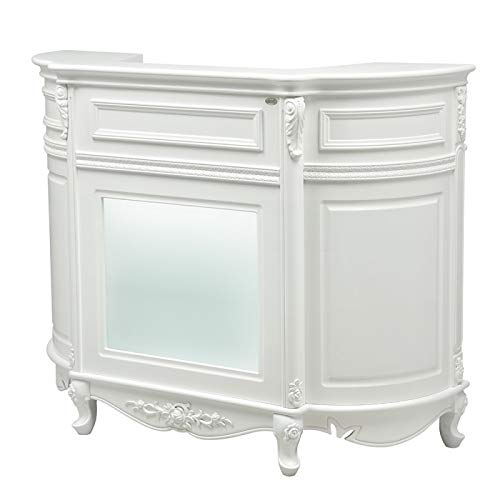
One of the most common mistakes in reception design is choosing a table that is either too imposing or too diminutive for the space. A table that is too large can obstruct the natural walking path of guests, creating a bottleneck at the entrance. Conversely, a table that is too small can make the reception desk feel transient or unprofessional. Measure your floor plan with 'clearance zones' in mind—ensure there is ample room for guests to approach the desk without feeling crowded, and sufficient space behind the desk for the staff member to move their chair and access filing or computer equipment. If your lobby is an open-concept space, consider a 'wrap-around' or L-shaped configuration to create a sense of enclosure and privacy for sensitive conversations.
Functional Ergonomics and Integrated Tech
A reception table is a workstation. If the person behind the desk is uncomfortable, it will inevitably affect the level of service provided to your clients. Look for desks with appropriate heights—standard desk height is usually around 29 to 30 inches, but many modern reception desks feature a 'transaction top' that is higher (around 42 inches), allowing guests to sign documents while standing without leaning over the desk. Furthermore, look for integrated cable management solutions. A professional reception area should never have a tangle of wires visible to the public. Tables with built-in grommets, hidden cord channels, or dedicated compartments for CPU towers and printers will keep the workspace looking clean and organized.
Style as Brand Communication
Your table should act as a visual extension of your company values. Minimalist, glass, or metal-framed tables communicate modernity, transparency, and efficiency—ideal for tech startups or design firms. Heavy, dark wood or marble-topped desks project stability, tradition, and authority, which are often preferred by legal or financial institutions. Pay attention to the 'frontage' of the desk—the side facing the guest. This is your primary branding surface. Many premium reception tables allow for integrated lighting or recessed areas where a company logo can be subtly displayed, turning a functional piece of furniture into a marketing asset.