Prioritize Fabric Composition and Texture
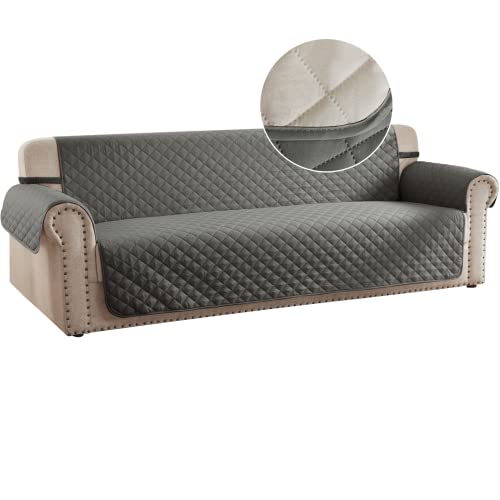
The material of your slipcover dictates both its longevity and its aesthetic impact. Since recliners are high-contact items, you should choose fabrics based on your lifestyle. If you have children or pets, look for high-density polyester blends or heavy-duty jacquard weaves. These materials are resistant to snagging and can withstand the friction of constant movement. For those seeking a more luxurious, high-end look, velvet or chenille slipcovers provide a soft tactile experience and a weight that helps the fabric drape elegantly over the chair's arms. Avoid thin, jersey-knit materials if you are looking for long-term protection. While they are soft, they tend to slide and bunch up quickly. Instead, opt for textured fabrics that offer a natural grip against the chair's frame.
Understanding Fit and Attachment Mechanisms
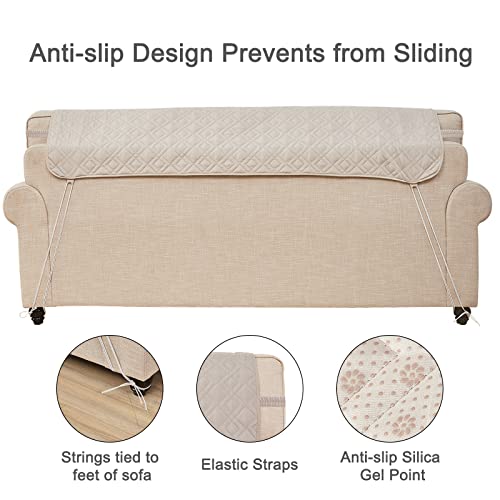
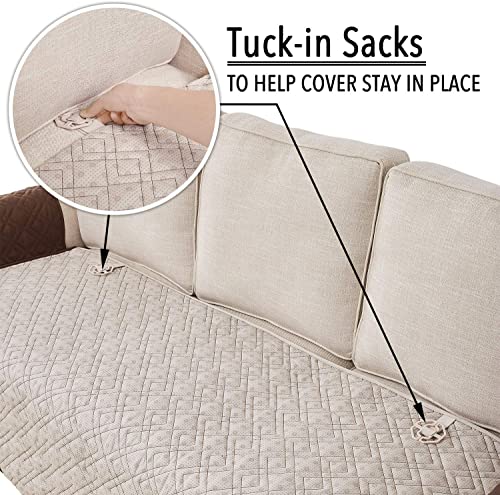
The biggest frustration with slipcovers is the 'sliding effect' that occurs when you sit down or recline. To avoid a messy look, pay close attention to how the cover secures itself. High-quality rose home fashion slipcovers typically utilize a combination of elasticized bottom edges and foam tuck-in strips. The foam strips are crucial. They are inserted into the crevices of the recliner to act as wedges, holding the fabric taut against the cushions. When shopping, check if the product description mentions 'multi-dimensional' or '3D' tailoring. This indicates the cover is cut to accommodate the specific contours of the headrest, armrests, and footrest, rather than being a simple rectangular drape.
Color Coordination and Pattern Selection
Because a recliner is often a focal point in a room, the color and pattern of your slipcover can either complement or clash with your existing decor. Neutral tones like beige, taupe, or slate grey are excellent for creating a seamless look that blends into the room. However, if your recliner is tucked into a corner, using a patterned slipcover—such as a subtle damask or a geometric print—can turn the chair into a statement piece. Keep in mind that darker colors and busier patterns are significantly better at concealing small stains, pet hair, and fading over time, making them the practical choice for high-traffic households.
Maintenance and Durability Factors
Before finalizing your purchase, verify the care instructions. A slipcover is an investment in protecting your furniture, so it should be easy to maintain. Look for 'machine washable' labels. Ideally, you want a fabric that maintains its shape and color through multiple wash cycles without significant shrinking. Check the weight of the fabric. A heavier fabric generally indicates better durability and a more premium feel, whereas lightweight fabrics may lose their structural integrity after a few months of heavy use. By balancing fabric weight, secure attachment methods, and color practicality, you can find a slipcover that looks like custom upholstery while providing maximum protection.