Identify the Material Compatibility
The most critical factor in selecting a repair kit is ensuring the contents are chemically compatible with your item. Not all adhesives work on all surfaces. For instance, a kit designed for plastic or resin components will fail miserably if applied to gold, silver, or stainless steel. If you are repairing fine jewelry, look for kits that specify high-strength, jewelry-grade epoxies or cyanoacrylates that are formulated to bond metals without causing discoloration or corrosion. Conversely, if you are working on costume jewelry or fashion accessories made of mixed media, a kit containing a broader range of multi-purpose glues and precision applicators may be more versatile.
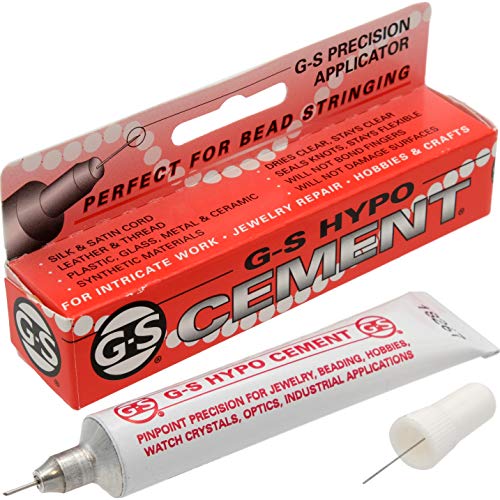
A repair kit is only as good as the precision it allows. When browsing kits, look beyond the adhesive and examine the included hardware. High-quality kits should include fine-tipped applicators to prevent messy overspill, which can ruin the aesthetic of a polished surface. For jewelry repair, presence of precision tweezers, small pliers, or magnifying lenses can significantly elevate your success rate. If the kit only provides a tube of glue without any way to manipulate small parts or control the application, you may find yourself struggling with a sticky, unmanageable mess that compromises the item's beauty.
Evaluate the Scope of the Kit
Repair kits generally fall into two categories: specialized kits and comprehensive multi-purpose kits. Specialized kits are narrow in scope—perhaps focusing strictly on stone setting or clasp replacement—but they offer superior components for that specific task. Comprehensive kits are better for hobbyists who deal with various types of damage, offering a mix of different bond strengths, cleaning agents, and basic hand tools. If you have a specific, known problem, go with a specialized kit. If you want a 'just in case' drawer for various household and accessory mishaps, a multi-purpose kit provides better long-term value.
Consider Cure Times and Durability
The longevity of your repair depends on the chemical properties of the bonding agent. Some kits offer 'instant bond' solutions, which are excellent for quick fixes but may be more brittle over time. Other kits utilize two-part epoxies that require a longer curing period (often 24 hours) but provide a much stronger, more permanent structural bond. When deciding, consider how much stress the repaired item will undergo. A necklace that is worn daily requires a high-durability, slow-cure epoxy, whereas a decorative ornament might only require a quick-set adhesive.
Recommendation Logic
To make the final decision, follow this hierarchy: First, define the material (Metal vs. Plastic/Stone). Second, define the damage (Structural break vs. Surface attachment). If the damage is structural, prioritize kits with two-part epoxies and pliers. If the damage is aesthetic or involves small decorative elements, prioritize kits with fine-tip applicators and precision tweezers. Always check the kit's instructions for 'clear-drying' properties to ensure the repair remains invisible to the naked eye.