Defining Your Brand Aesthetic through Silhouette
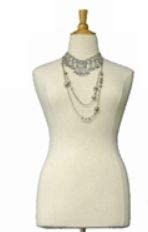
The first decision factor in selecting a mannequin is the silhouette style, which dictates the 'vibe' of your retail space. There are three primary directions to consider: realistic, abstract, and headless. Realistic mannequins feature detailed facial features and hair, making them ideal for high-street fashion where a human connection is vital. Abstract mannequins, often characterized by matte finishes and stylized features, lend a modern, high-fashion, or avant-garde feel to a store. They allow the clothing to remain the absolute focal point without the distraction of a specific face. Headless models are a practical middle ground, offering a clean, streamlined look that works exceptionally well for minimalist or contemporary brands where you want to emphasize the neckline and shoulders of the apparel.
Material Durability and Finish Selection
Retail environments are high-traffic areas where mannequins are frequently moved, redressed, and adjusted. Therefore, material composition is critical. High-quality fiberglass is the industry standard for premium displays due to its ability to hold fine anatomical detail and its resistance to warping. However, you must also consider the finish. A gloss finish can add a sense of luxury and drama, perfect for evening wear or high-shine fabrics, but it can also show fingerprints and dust more easily. Matte or satin finishes are much more forgiving in everyday retail settings, providing a sophisticated, non-reflective surface that allows studio lighting to hit the garments without creating harsh glares on the mannequin itself.
Anatomical Accuracy and Sizing Logic
One of the most common mistakes in visual merchandising is a mismatch between the mannequin's proportions and the clothing's intended fit. If you specialize in athletic wear, look for mannequins with more muscular, toned silhouettes. If you are a luxury boutique focusing on couture, you may require more slender, elongated proportions that mimic high-fashion runway models. Furthermore, consider the 'fit' of the clothing on the form. A mannequin with a narrow waist and broad shoulders will make structured blazers look impeccable, while a more natural, soft-curved mannequin might be better suited for knitwear and casual loungewear. Ensure the sizing of your mannequin fleet is consistent so that your window displays look cohesive rather than disjointed.
Stability and Ease of Styling
A mannequin is only effective if it is easy to work with. When evaluating options, look closely at the base and attachment systems. Heavy metal bases (either circular or rectangular) provide the necessary stability to prevent tipping in busy aisles or near entranceways. Additionally, consider the 'entry points' of the mannequin. Models that feature detachable arms, torsos, or legs are significantly easier to dress, especially when dealing with complex layering or tight-fitting garments. A mannequin that is difficult to dress will lead to frustration for your staff and potentially damage your merchandise during the styling process. Always prioritize models with high-quality, secure joints that won't loosen after repeated use.