Material Composition and Durability
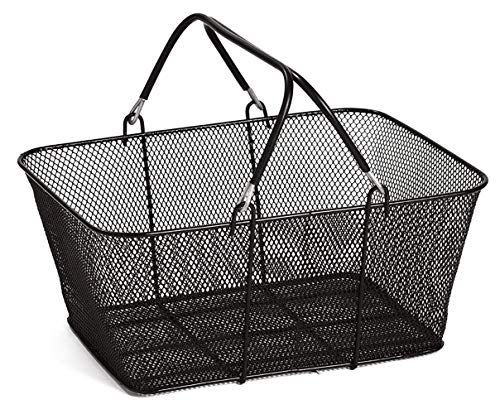
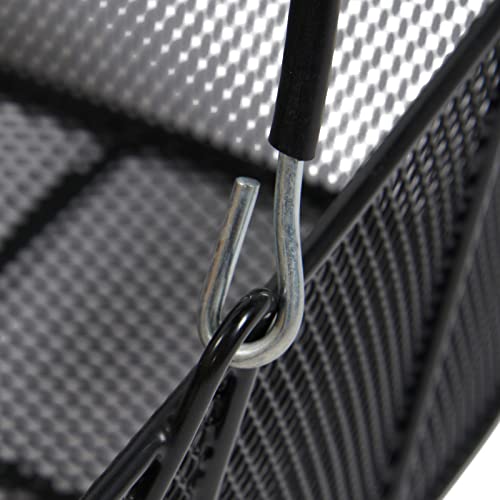
The primary decision factor in cart selection is the material used for the frame and basket. Most retail carts fall into three categories: steel, aluminum, and high-density plastic. Steel carts are the heavy-duty workhorses of the industry. They offer unmatched durability and can withstand high-impact environments, but they are heavy and prone to rust if not properly coated with powder or zinc. Aluminum carts are a premium alternative; they are lightweight and naturally resistant to corrosion, making them ideal for coastal environments or high-end retail settings where aesthetics matter. For smaller boutique environments, heavy-duty plastic or resin carts are excellent choices. They are lightweight, easy to sanitize, and eliminate the 'clanging' noise often associated with metal carts, creating a more pleasant atmosphere for shoppers.
Load Capacity and Basket Volume
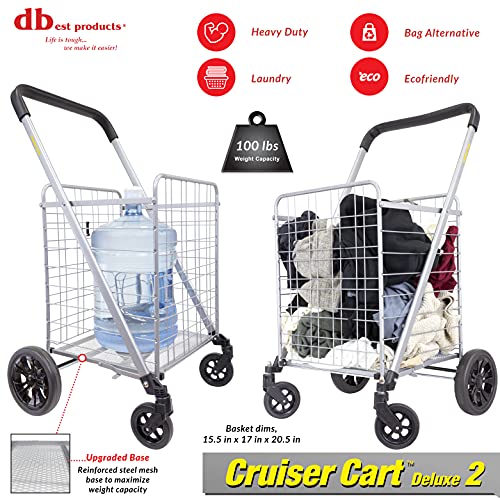
You must align the cart's volume with your specific product mix. A grocery store requires deep, high-volume baskets to accommodate bulk items and multi-pack goods. In contrast, a clothing boutique benefits from shallower, wider baskets that prevent garments from becoming crushed or excessively wrinkled. When evaluating capacity, do not just look at volume; look at weight distribution. A cart that is too small for a customer's intended haul will lead to awkward carrying, while a cart that is too large can feel cumbersome in narrow aisles. Consider if your customers will also need child seats or specialized compartments for fragile items, as these features dictate the internal geometry of the basket.
Maneuverability and Wheel Technology
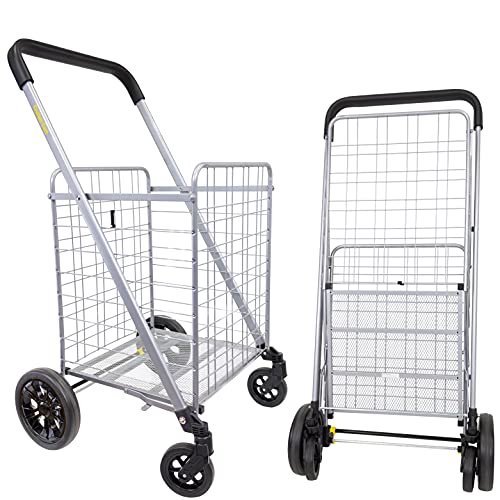
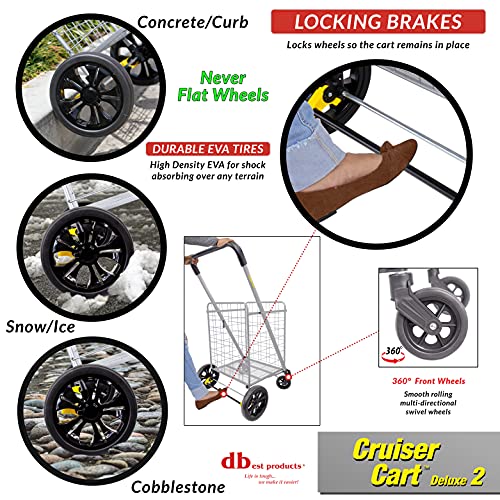
The 'ride quality' of a shopping cart is determined entirely by its wheel assembly. Look for carts equipped with high-quality, swivel casters that allow for effortless 360-degree movement. In high-traffic environments, 'quiet-run' wheels are a significant upgrade. These are often made of specialized rubber or polyurethane blends designed to dampen vibration and reduce the screeching sound of metal on hard flooring. Furthermore, consider the steering stability. A cart that wanders or pulls to one side creates a sense of instability that can lead to accidents. For large-scale warehouses, heavy-duty industrial casters are necessary to handle the torque of a fully loaded cart.
Ergonomics and Customer Safety
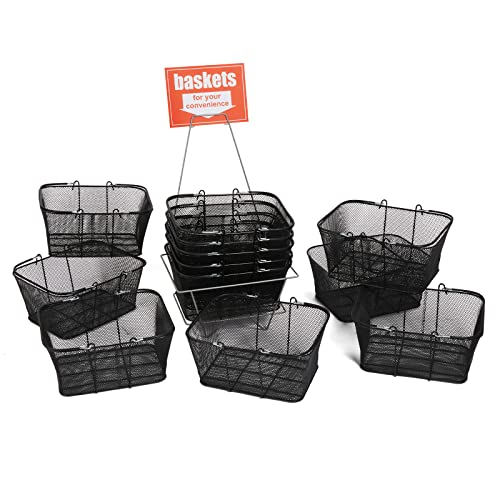
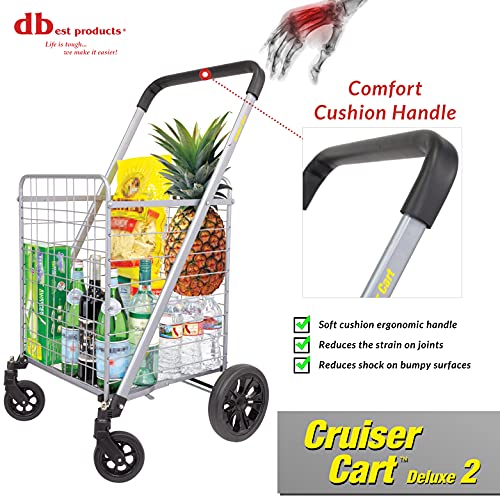
A well-designed cart should feel intuitive to use. Pay close attention to the handle design; an ergonomic, padded, or textured grip reduces hand fatigue and improves control. Safety is also a major consideration, particularly regarding child seats. If your retail space caters to families, ensure the child seat is integrated securely into the frame and features rounded edges to prevent injury. Additionally, consider the 'nesting' capability of your carts. Efficiently nesting carts allows you to maximize your floor space when they are not in use, which is vital for maintaining clear walkways and a professional store appearance.
Maintenance and Long-Term Cost
When calculating your investment, look beyond the initial purchase price. A cheaper steel cart that requires frequent welding or repainting due to rust will eventually cost more than a higher-quality aluminum or coated model. Consider the availability of replacement parts. Can you easily swap out a single broken caster, or must the entire unit be serviced? Selecting a brand with standardized, replaceable components ensures that your fleet remains operational for years without requiring total replacement.