Understanding Filtration Grades and Protection Levels
The most critical decision in purchasing a reusable respirator is matching the filtration grade to the hazard. Not all particulates are created equal. If you are working in a home DIY setting, a standard particulate filter may suffice. However, if you are dealing with fine industrial dust or chemical vapors, you must look for specific ratings. Look for filters labeled for N95, P100, or R95 standards. The 'P' series is particularly important for environments where oil aerosols may be present, as these filters are oil-resistant, whereas 'N' series filters are not. For maximum protection against the smallest microscopic particles, a P100 rating is the gold standard, providing 99.97% filtration efficiency.
Seal Integrity and Facepiece Material
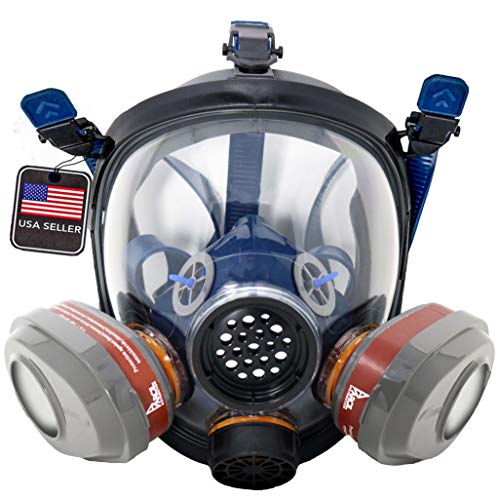
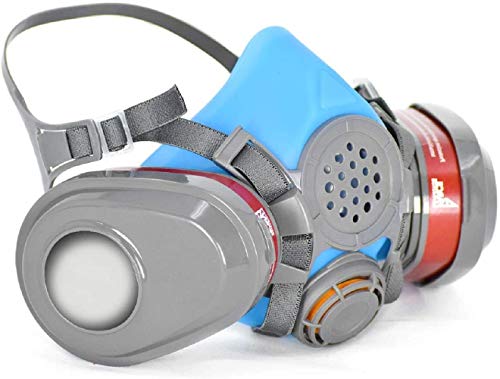
A respirator is only as effective as its seal. Even the highest-rated filter is useless if air leaks through the gaps between the mask and your skin. Reusable respirators typically come in two main materials: silicone and thermoplastic elastomer (TPE). Silicone tends to be more durable, softer, and provides a more consistent seal over long periods, making it ideal for professional use. TPE is often more cost-effective and slightly more rigid, which can be beneficial for certain heavy-duty applications. When selecting a facepiece, consider your facial structure. Many manufacturers offer different sizes (Small, Medium, Large) to ensure the nose bridge and chin contours align perfectly with your anatomy.
Comfort, Breathability, and Valve Systems
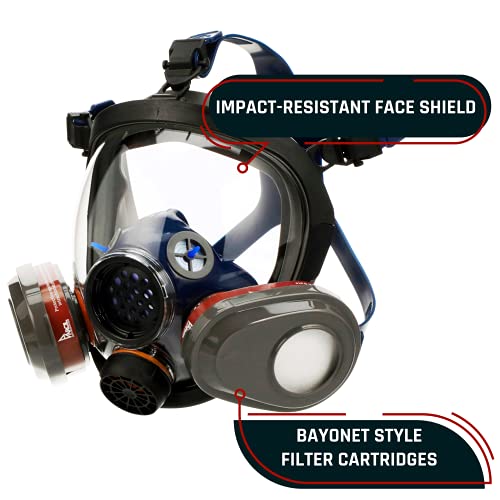
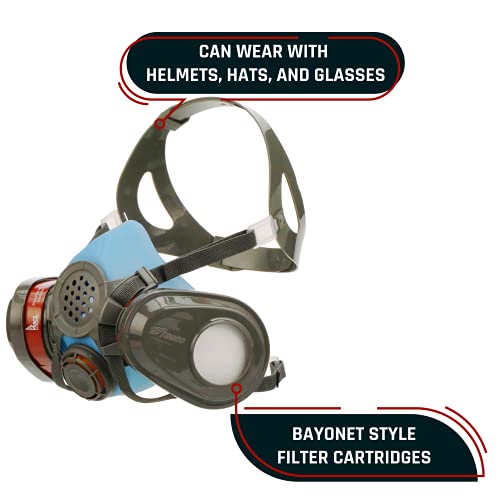
Because reusable respirators are designed for extended wear, comfort is a primary decision factor. Look for models equipped with exhalation valves. These one-way valves allow exhaled breath to escape quickly, reducing heat buildup and moisture accumulation inside the mask. This significantly improves breathability and prevents your eyewear from fogging up. Additionally, check the weight of the unit. A heavy respirator can cause neck fatigue during a full workday. High-quality models will balance the weight of the filters with an ergonomic head harness that distributes pressure evenly across the cranium rather than pulling tightly on the cheeks.
Maintenance and Long-term Cost Efficiency
While the initial investment for a reusable respirator is higher than a box of disposables, the long-term cost is significantly lower. However, you must factor in the cost and availability of replacement components. A good reusable system should have readily available replacement cartridges, pre-filters, and even replacement headbands. Before purchasing, ensure that the brand you choose has a consistent supply of compatible filters. Furthermore, consider the ease of cleaning. Since these are reusable, you will need to regularly wash the facepiece with mild soap and water to prevent skin irritation and buildup of contaminants.
Recommendation Logic: How to Choose
To make your final selection, follow this hierarchy: First, identify your primary contaminant (dry dust vs. oil-based mist) to determine your filter type. Second, prioritize the seal by choosing a material like silicone if you have sensitive skin or require a long-term fit. Third, evaluate your environment. If you are working in high-heat or high-humidity areas, an exhalation valve is a non-negotiable requirement. Finally, always opt for a brand that offers a wide range of replaceable parts to ensure your investment lasts for years rather than months.