Understanding Material Composition and Tactile Feel
The most critical decision factor in selecting a pull is the material. Because these components are handled frequently, they are subject to skin oils, friction, and constant tension. Metal chains, typically crafted from brass, stainless steel, or zinc alloy, offer a heavy, premium feel and are ideal for high-use environments like heavy drapery or industrial pendant lights. Brass develops a unique patina over time, which adds character to traditional interiors, while stainless steel is the superior choice for high-moisture areas like bathrooms or kitchens due to its corrosion resistance.
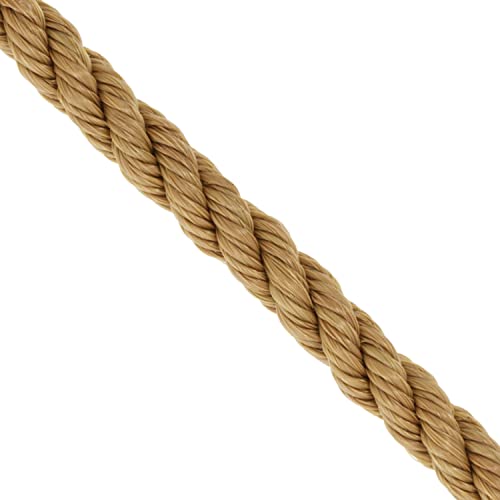
Rope pulls, on the other hand, offer a softer, organic aesthetic. When choosing rope, look for high-quality cotton, jute, or braided nylon. Cotton provides a clean, nautical look but can fray if not properly sealed at the ends. Jute offers a rustic, textured grip that is excellent for farmhouse decor but can feel abrasive over time. If you require longevity and ease of cleaning, braided synthetic ropes are often the best compromise, providing the look of natural fiber with the durability of modern polymers.
Mechanical Compatibility and Length Requirements
A common mistake is selecting a pull that is aesthetically pleasing but mechanically incompatible with the existing mechanism. For chain-operated blinds or shades, you must ensure the link size of the pull matches the diameter of the internal beaded chain. A pull that is too heavy for a lightweight mechanism can cause the internal components to slip or wear prematurely, while a pull that is too light may be difficult to grasp.
When considering length, you must account for the 'drop' distance. The pull should hang low enough to be easily reached from a seated or standing position without requiring the user to stretch, but not so low that it becomes a snag hazard for passersby or pets. For window treatments, measure the distance from the bottom of the window frame to the reach of the average user to determine your ideal hanging length.
Weight, Balance, and Tension
The physics of the pull are just as important as the look. A heavy metal chain pull provides a satisfying 'clink' and a sense of stability, making it ideal for heavy-duty applications. However, if the pull is too heavy for the internal spring or clutch mechanism, it may cause the window shade to drift downward unintentionally. Conversely, lightweight rope pulls are perfect for delicate sheer curtains where a heavy metal chain would look visually overwhelming and mechanically taxing.
For those using pulls for lighting, consider the 'swing factor.' A long, heavy chain pull on a pendant light will act as a pendulum. If the chain is too light, the slightest breeze or touch could cause the light to sway excessively. Look for weighted ends or thicker gauge chains to ensure the pull stays seated and stable when not in use.
Aesthetic Integration and Style Matching
Finally, use the pull as a tool to tie your room's design together. If your hardware features brushed nickel finishes, a stainless steel chain will create a seamless, integrated look. If you are aiming for a bohemian or coastal vibe, a thick, cream-colored cotton rope pull will soften the lines of the room. Always consider the scale: large, chunky pulls work best in expansive spaces with high ceilings, while delicate, thin chains are better suited for smaller, intimate settings where visual clutter should be minimized.