Material Composition and Durability
The first thing you must consider is what these boards are actually made of. Most premium running boards utilize a heavy-duty aluminum alloy frame paired with a high-density polymer or textured steel stepping surface. Aluminum is highly sought after because it offers an exceptional strength-to-weight ratio and is naturally resistant to corrosion—a vital feature if you live in a region where road salt is used during winter months. Look for boards that feature a powder-coated finish. This provides an extra layer of defense against oxidation and prevents the paint from chipping under the constant impact of gravel and debris. If you prioritize a heavy-duty, industrial look, steel may be an option, but ensure it is treated with high-grade anti-corrosive coatings to prevent rust from creeping under the finish.
Step Surface and Traction Security
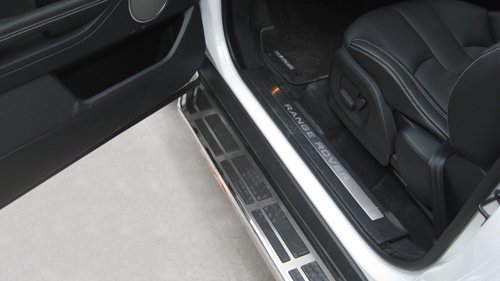
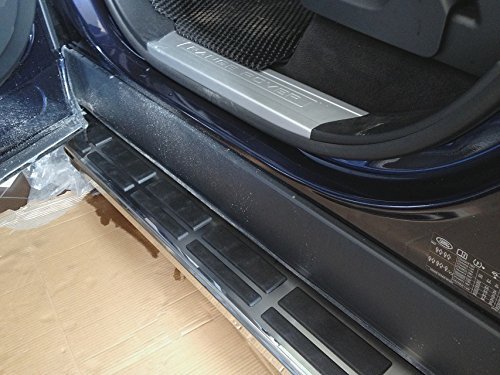
Running boards serve a functional purpose: getting you in and out of your vehicle safely. Therefore, the texture of the stepping surface is non-negotiable. Avoid boards with smooth, polished surfaces, as these become incredibly slippery when wet or muddy. Instead, look for designs that incorporate integrated non-slip patterns, such as raised rubberized inserts, knurled textures, or aggressive tread patterns. These features ensure that even in inclement weather, your footing remains secure. Additionally, consider the width of the step. A wider board provides a more stable platform for larger passengers and offers better protection for the vehicle's lower body, whereas narrower boards are better suited for those prioritizing a slim, aerodynamic profile.
Ground Clearance and Vehicle Profile
One of the most common mistakes buyers make is choosing boards that compromise their vehicle's off-road capability. If you frequently drive on trails or uneven terrain, you need to look for 'low-profile' or 'rock slider' style boards that tuck tightly against the chassis. These minimize the risk of catching on rocks or obstacles. Conversely, if your primary goal is ease of access for children or elderly passengers, you might opt for deeper, more substantial side steps that extend slightly further out from the body. You must balance the desire for a 'clean' look with the practical need for clearance. A board that hangs too low can become a liability during off-road excursions.
Installation Complexity and Fitment
When evaluating your options, check whether the boards are designed for a direct bolt-on installation. High-quality running boards should utilize the vehicle's existing mounting points, requiring little to no drilling into the frame. This preserves the structural integrity of your vehicle and ensures a much cleaner, more professional finish. Always verify that the specific design is engineered for your vehicle's wheelbase and cab configuration (such as Crew Cab vs. Extended Cab), as even a slight mismatch in length can result in unsightly gaps or an unstable mounting system.
Weight Capacity and Load Rating
Finally, never overlook the weight capacity. While most standard boards are rated for two or more adults, it is wise to check the specific load rating if you have heavy-duty use cases. A board that flexes significantly under weight is a sign of inferior internal bracing. Look for reinforced mounting brackets that distribute weight evenly across the frame to ensure long-term stability and prevent the boards from sagging over time.