Prioritize Energy Efficiency and Power Draw
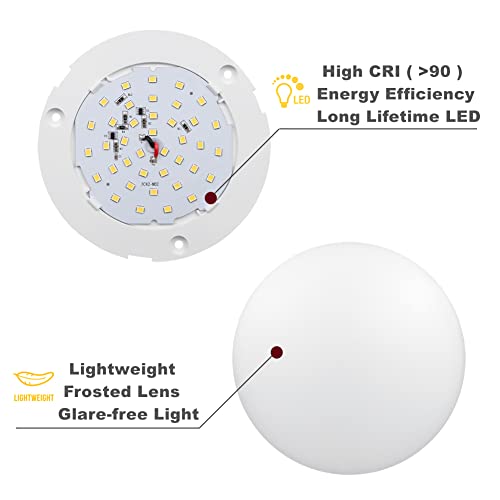
When you are off-grid, every watt counts. The most critical factor in choosing RV lighting is the power consumption. Traditional incandescent bulbs are inefficient and generate unnecessary heat, which can be problematic in small, enclosed spaces. Instead, prioritize high-quality LED options. LEDs offer significantly higher lumens-per-watt, meaning you get much brighter light while drawing a fraction of the amperage from your house batteries. When comparing products, look for the total lumen output rather than just the wattage. A high-lumen LED will provide the visibility you need for cooking or reading without jeopardizing your ability to run your refrigerator or water pump overnight.
Understand Color Temperature and Ambiance
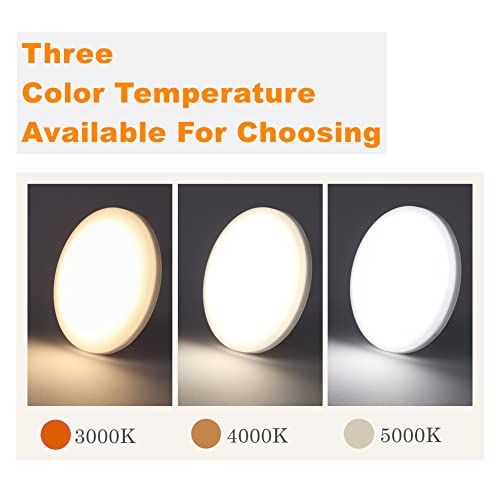
One of the most overlooked aspects of RV lighting is the Kelvin rating, which dictates the 'color' of the light. In a small living space, the wrong color temperature can drastically alter the mood. Warm white light (typically 2700K to 3000K) is ideal for living areas, bedrooms, and dining nooks, as it creates a relaxing, home-like atmosphere. Conversely, cool white or daylight temperatures (5000K and above) are better suited for task lighting, such as kitchen counters, bathrooms, or reading lights, where high visibility and clarity are required. For a versatile setup, consider dimmable fixtures. Dimmable LEDs allow you to transition from bright, functional light during the day to a soft, ambient glow in the evening.
Durability and Vibration Resistance
Your lighting must be able to withstand the rigors of the road. Constant road vibration can cause cheap connections to fail or even shatter glass components. Look for fixtures that are specifically rated for mobile environments. This often means choosing solid-state LED units that have no fragile filaments or glass elements. Furthermore, if you are looking for exterior lighting—such as awning lights or entryway sconces—ensure they carry an appropriate IP (Ingress Protection) rating. An IP65 or higher rating ensures that the light is protected against dust and heavy rain, preventing short circuits and corrosion during inclement weather.
Installation Type and Versatility
Before purchasing, assess how the light will be integrated into your vehicle. RV lighting generally falls into three categories: direct replacement, surface mount, and recessed. Direct replacement bulbs are the easiest for quick upgrades, but if you are looking to modernize your aesthetic, surface-mounted puck lights or strip lighting offer much more flexibility. Strip lighting is particularly effective for accentuating under-cabinet areas or providing indirect glow along the floorboards, which can make a cramped RV feel significantly larger. Always verify the mounting requirements and whether the installation requires drilling into cabinetry or if it can be adhered with high-strength automotive tape.
Summary Recommendation Logic
To make the best decision, follow this logic: If you are boondocking, prioritize low-draw LEDs with dimming capabilities. If you are upgrading a kitchen area, look for high-lumen, cool-white task lighting. If you are improving exterior visibility, invest in high-IP rated, vibration-resistant floodlights. By matching the specific technical requirements of the light to the specific zone of your RV, you create a lighting environment that is both practical for travel and comfortable for living.