Understanding SATA Generations and Bandwidth
The most critical factor when selecting a SATA cable is ensuring it matches the interface standard of your hardware. While the physical connector shape has remained largely consistent, the underlying signaling technology has evolved. Most modern builds utilize SATA III (6Gb/s) standards. If you are using high-speed NVMe-based SATA SSDs, using an older or substandard cable can lead to bottlenecking or intermittent connection drops. When browsing Silverstone's offerings, prioritize cables explicitly rated for 6Gb/s throughput to ensure you are not artificially limiting the performance of your storage devices. Using a cable designed for older SATA II standards on a SATA III drive won't necessarily break the drive, but it will prevent you from reaching the advertised read/write speeds.
Cable Length and Physical Management
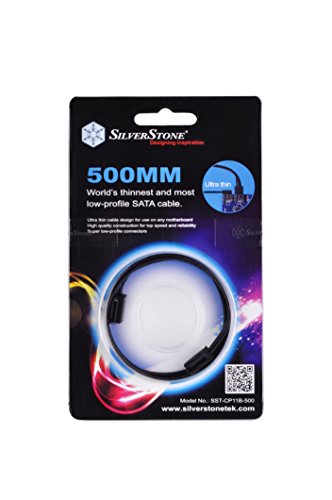
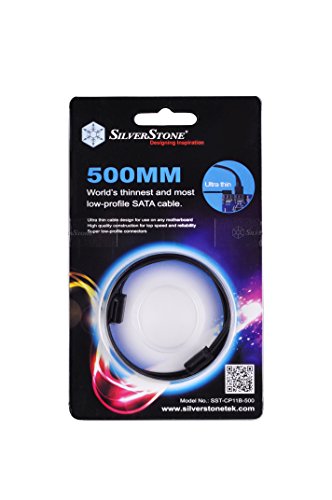
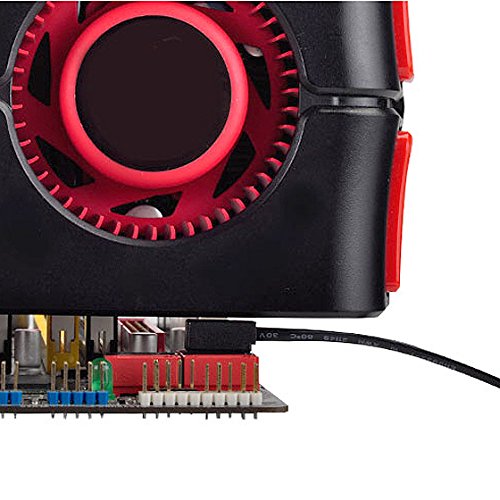
In the world of PC building, length is a double-edged sword. In large mid-tower chassis, longer cables provide the flexibility needed to route wires behind the motherboard tray, keeping the main chamber clear for optimal airflow. However, in Small Form Factor (SFF) builds or Mini-ITX setups, excess cable length becomes a major liability, creating 'cable nests' that can obstruct fans and trap heat. Silverstone offers various lengths to accommodate these different environments. Always measure the distance from your motherboard's SATA ports to your intended drive location, adding roughly two to three inches of slack to allow for bends and routing around components. Avoid 'tight' installs where the cable is under constant tension, as this can stress the solder joints on your motherboard or the drive's controller.
Gauge and Insulation Quality
The physical construction of the cable—specifically the wire gauge and the quality of the shielding—dictates how well the cable resists electromagnetic interference (EMI). High-density environments, such as a PC case packed with power cables and high-speed PCIe lanes, generate significant electrical noise. A high-quality SATA cable should feature robust shielding to prevent this noise from corrupting data packets during transit. Look for cables with high-quality insulation that feels flexible yet durable. Silverstone cables are known for their reliability in these environments, but as a rule of thumb, thicker insulation often correlates with better protection against the electrical 'noise' generated by your power supply and graphics card.
Connector Integrity and Locking Mechanisms
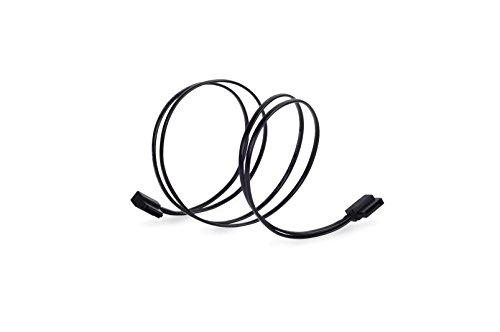
A common point of failure in SATA connections is the physical latch. Some cables feature metal locking clips that snap into the drive and motherboard ports, ensuring the cable cannot be accidentally bumped or pulled loose. This is particularly important in high-vibration environments or systems that might be moved frequently. When selecting your cable, consider whether you prefer a 'friction-fit' connector (which is easier to swap out) or a 'locking' connector (which offers superior long-term stability). For professional workstations or servers where uptime is paramount, the locking mechanism provides an extra layer of security against accidental data disconnection.
Recommendation Logic
To make the final decision, follow this logic: If you are building a compact ITX system, prioritize short, thin, highly flexible cables to facilitate airflow. If you are building a high-capacity NAS or storage server, prioritize longer, shielded cables with locking metal clips to ensure every drive remains connected and stable under heavy load. Always match the cable's speed rating to your fastest drive to ensure no performance loss occurs during heavy data transfers.