Prioritize the Internal Environment
The most critical function of a saxophone case is maintaining a stable microclimate. Saxophones are highly sensitive to humidity. Too dry, and your pads may crack or leak. Too damp, and you risk fungal growth or metal corrosion. When browsing cases, look for high-quality interior linings. Velvet or plush faux-fur linings are superior because they provide a soft cushion that prevents surface scratches while helping to regulate moisture. Additionally, check if the interior features a well-contoured bed. A generic case that uses loose padding can allow the instrument to shift during transit, leading to mechanical damage or scratches to the lacquer finish.
Evaluate Shell Construction and Impact Resistance
The exterior of the case determines how well your instrument survives a drop or a bump in a crowded rehearsal room. There are generally three levels of shell construction to consider:
- Hard Shell (ABS Plastic/Fiberglass): These are the gold standard for protection. They are rigid, water-resistant, and provide excellent impact distribution. Fiberglass is lighter and more durable but often comes at a premium.
- Semi-Hard Shell (Reinforced Polycarbonate): A great middle ground for students, offering decent rigidity without the weight of heavy wood or thick plastic.
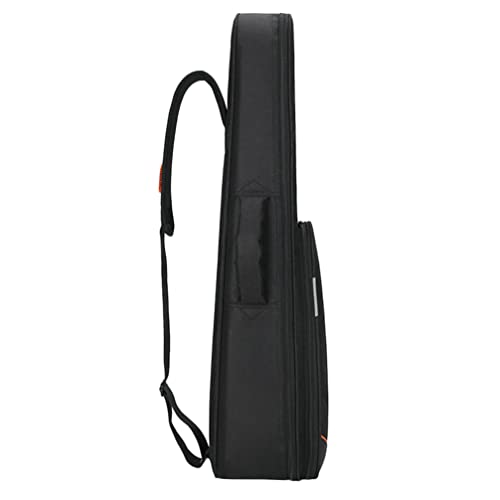
- Soft Shell (Gig Bags/Padded Bags): While highly portable, these offer minimal protection against crushing or heavy impacts. Only choose these if you are strictly performing in controlled, local environments.
Assess Portability and Ergonomics
A saxophone is a heavy instrument, and the case adds significant weight to the load. If you are a student walking to school or a professional navigating public transit, the carry system is vital. Look for cases with reinforced, ergonomic handles that are padded to prevent hand fatigue. If you plan on traveling frequently, a backpack-style strap system is a game-changer, distributing the weight across your shoulders rather than pulling on one side of your body. Always check the weight of the case itself. A heavy case combined with a heavy tenor or baritone saxophone can lead to long-term back strain.
Storage and Accessory Compartmentalization
A saxophone is rarely just the instrument. You also carry reeds, ligatures, cleaning swabs, cork grease, and sheet music. A high-quality case should feature dedicated storage. Look for an internal accessory compartment or an external zippered pocket. Ideally, these compartments should be padded or separated from the main instrument chamber to ensure that a heavy metal ligature doesn't knock against the bell of your saxophone during movement. A well-organized case not only protects your gear but also ensures you aren't scrambling for a mouthpiece cap mid-performance.
The Decision Logic: Matching Case to Lifestyle
To make your final selection, match the case to your primary use case. If you are a touring professional, prioritize a hard-shell fiberglass case with a high-quality locking mechanism. If you are a student on a budget, a sturdy ABS plastic case with a plush interior offers the best protection-to-price ratio. Avoid cases that feel 'hollow' or lightweight in a way that suggests thin walls, as these will fail to provide the necessary dampening for vibrations and impacts.