Understanding Tip Profiles and Compatibility
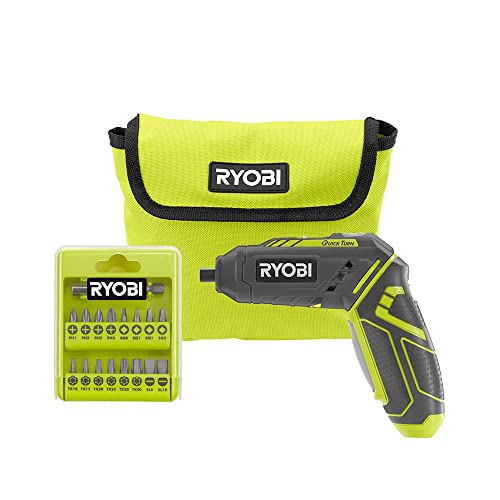
The most critical decision in selecting a screwdriver is matching the tip geometry to the fastener. Using the wrong tip is the primary cause of 'cam-out,' where the driver slips out of the screw head, rounding the edges and making removal nearly impossible. The most common profiles include Phillips, Flathead (Slotted), Torx (star-shaped), and Pozidriv. While Phillips is the household standard, Pozidriv offers better grip for professional applications. If you are working on modern electronics or high-end machinery, you will likely need Torx or Hex drivers. Before purchasing, audit your most frequent tasks: if you work on small gadgets, prioritize precision micro-drivers. If you work on construction, prioritize heavy-duty impact-rated drivers.
Handle Ergonomics and Material Science
A screwdriver is an extension of your hand, meaning the handle design dictates how much force you can apply without fatigue. Look for multi-component handles that combine a hard plastic core for structural integrity with a soft, thermoplastic rubber (TPR) overmold for grip. An ergonomic handle should feature a non-slip texture, especially if you are working in environments where hands might be oily or sweaty. For high-torque applications, such as loosening rusted bolts, a larger, bulbous handle provides better leverage. For precision work, a slim, pen-like handle allows for better rotational control and fine motor movement.
Shaft Construction and Durability
The shaft is the backbone of the tool. High-quality screwdrivers utilize Chrome Vanadium (Cr-V) or S2 steel, which offer superior hardness and resistance to bending or snapping under pressure. Avoid tools with thin, flimsy shafts that feel hollow. These are prone to twisting. Additionally, look for a 'hollow handle' design if you frequently need to store small bits inside the tool, or a 'magnetized tip' to help hold fasteners in place during one-handed operation. For electricians, it is non-negotiable to look for VDE-certified, insulated shafts that protect against accidental contact with live electrical currents.
Precision vs. Heavy-Duty Applications
You must decide whether you need a specialized set or a general-purpose driver. Precision screwdrivers are designed for eyeglasses, watches, and smartphones. They feature very small tips and spinning end-caps that allow you to apply pressure with your palm while rotating with your fingers. Conversely, heavy-duty drivers are built for high-torque resistance and often feature thicker shafts and reinforced tips. A common mistake is attempting to use a precision driver for household tasks or a heavy-duty driver for delicate electronics. For a well-rounded toolkit, we recommend a hybrid approach: a core set of high-quality multi-bit drivers for general tasks, supplemented by a dedicated precision kit for fine motor work.