Understanding Material and Coating
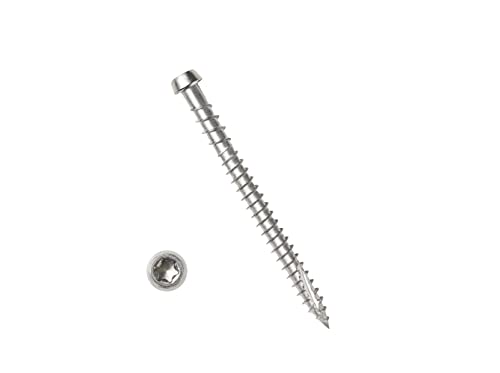
The most critical decision in selecting a screw is the material composition, which dictates its strength and resistance to environmental stressors. For indoor, dry environments like furniture assembly, standard steel screws are often sufficient. However, if you are working on outdoor decks, fences, or landscaping, you must prioritize corrosion resistance. Stainless steel is the gold standard for longevity, as it resists rust even in coastal or high-moisture areas, though it is generally softer and more prone to snapping if over-torqued. For general outdoor use, galvanized or zinc-coated screws offer a cost-effective middle ground, providing a protective barrier against oxidation without the premium price tag of stainless steel.
Thread Type and Application
Not all threads are created equal, and using a screw with the wrong pitch can ruin your substrate. Wood screws feature coarse, deep threads designed to bite into organic fibers, providing high pull-out resistance. If you are working with metal, you will need self-tapping screws, which feature sharper, more precise threading designed to cut through metal surfaces without pre-drilling. For drywall applications, fine-thread screws are preferred to maintain grip in the gypsum core. Always match the thread density to the density of the material you are fastening. Coarse threads for soft woods and fine threads for harder materials or metals.
Drive Head and Torque Efficiency
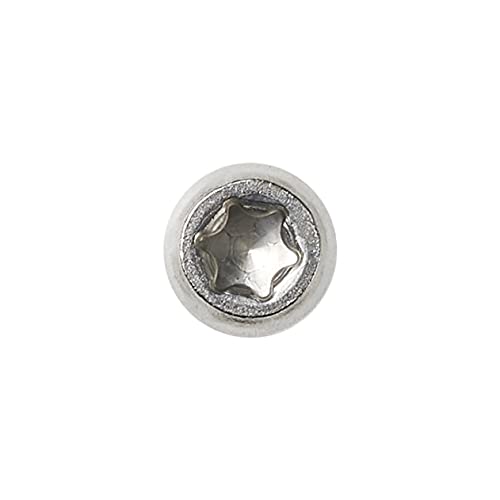
The 'drive' refers to the shape of the indentation in the screw head. This is where most DIY errors occur. The traditional Phillips head is widely available but is notorious for 'cam-out'—where the screwdriver slips out of the head under pressure, often stripping the screw. For professional-grade results, look for Torx (star) or Robertson (square) drives. These designs allow for much higher torque transfer, meaning you can drive the screw deeper and more securely without the tool slipping. If you are working in tight spaces where you cannot apply much pressure, a drive that resists slipping is essential to prevent damage to both the screw and your workpiece.
Head Style and Countersinking
The shape of the screw head determines how it sits on the surface of your material. Flat-head screws are designed to be countersunk, meaning they sit flush with or slightly below the surface, making them ideal for cabinetry and flooring where a smooth finish is required. Round-head or pan-head screws sit on top of the material, which is useful when you need the fastener to provide clamping pressure against a surface rather than disappearing into it. Always consider whether the screw head will be visible in the finished product and choose a style that complements your aesthetic or functional needs.
Length and Gauge Selection
Finally, consider the physics of your project. The screw must be long enough to pass through the first material and penetrate deep enough into the second to provide structural stability, but not so long that it protrudes through the opposite side. The gauge (thickness) must also be appropriate. A screw that is too thin will snap under load, while one that is too thick may split the wood grain upon insertion. When in doubt, a slightly thicker screw with a pre-drilled pilot hole is often safer than a thin screw that risks structural failure.