#TOP1

Sculpting is a profound dialogue between the artist and their medium, where the chosen technique dictates the soul of the finished piece. Whether you are working with the subtractive tension of stone, the additive fluidity of clay, or the structural complexity of metal, your approach to technique is not merely a method—it is your creative identity. Selecting the right sculpting technique requires more than just an interest in art. It demands an understanding of material physics, tool compatibility, and the desired level of tactile precision in your final work.
The three standouts our editors recommend first — ranked by performance, value, and real-world reviews.


| SELLER | SELLER SCORE | AMAZON FULFILLED | PRIME | FREE SHIPPING |
|---|---|---|---|---|
| Amazon.com | 9.68 | Yes | Yes | Yes |


| SELLER | SELLER SCORE | AMAZON FULFILLED | PRIME | FREE SHIPPING |
|---|---|---|---|---|
| Amazon.com | 9.68 | Yes | Yes | Yes |

The Sculpting Book: A Complete Introduction to Modeling the Human Figure
| SELLER | SELLER SCORE | AMAZON FULFILLED | PRIME | FREE SHIPPING |
|---|---|---|---|---|
| Amazon.com | 9.68 | Yes | Yes | Yes |
The Sculpting Book is a definitive roadmap for anyone looking to master the complexities of the human form. Schiffer Publishing has put together a resource that functions as a comprehensive introduction to figure modeling, making it an essential addition to an artist's studio library. Instead of jumping into abstract techniques, this guide focuses on the foundational mechanics of anatomy and structure. It provides the technical clarity needed to move from basic shapes to lifelike proportions. At a price point, it serves as an accessible entry point for beginners while remaining a reliable reference for more seasoned sculptors who need to brush up on their anatomical accuracy. It is a straightforward, instructional tool designed for serious artistic growth.


| SELLER | SELLER SCORE | AMAZON FULFILLED | PRIME | FREE SHIPPING |
|---|---|---|---|---|
| Amazon.com | 9.68 | Yes | Yes | Yes |


| SELLER | SELLER SCORE | AMAZON FULFILLED | PRIME | FREE SHIPPING |
|---|---|---|---|---|
| Amazon.com | 9.68 | Yes | Yes | Yes |

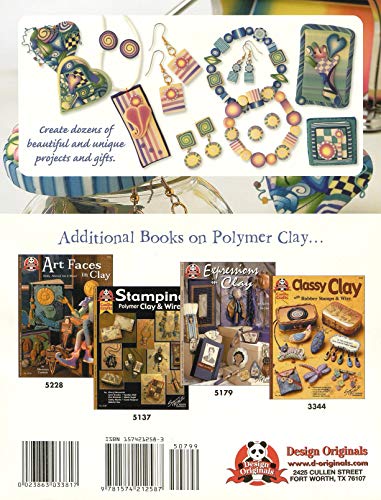


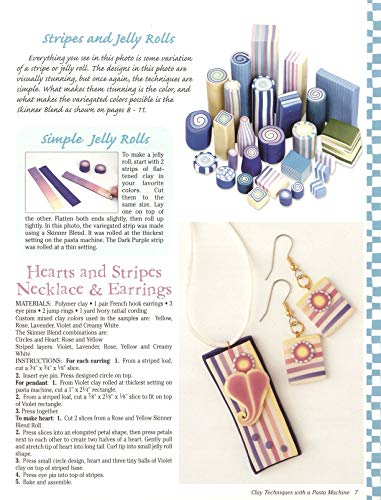
Clay Techniques with a Pasta Machine: Checkerboard, Stripes, Skinner Blend, Mokume Gane, and More (Design Originals) Inspiring Ideas for Working with...
| SELLER | SELLER SCORE | AMAZON FULFILLED | PRIME | FREE SHIPPING |
|---|---|---|---|---|
| Amazon.com | 9.68 | Yes | Yes | Yes |
Polymer clay artists stuck in a creative rut need this specific manual to finally unlock the professional patterns they see in high-end boutiques. Design Originals has put together a practical roadmap that transforms a standard kitchen pasta machine into a sophisticated pattern-making tool. I love how it breaks down complex visual effects like Mokume Gane and Skinner blends into manageable steps that don't feel intimidating. You aren't just learning how to roll clay. You are learning how to engineer intricate checkerboards and stripes that look intentional rather than accidental. It is a slim, portable resource that fits perfectly into a studio workspace without taking up too much room, making it an essential companion for anyone looking to elevate their jewelry or sculptural work.



The Elements of Sculpture: A Viewer's Guide
| SELLER | SELLER SCORE | AMAZON FULFILLED | PRIME | FREE SHIPPING |
|---|---|---|---|---|
| plumcircle | 9.95 | No | No | No |
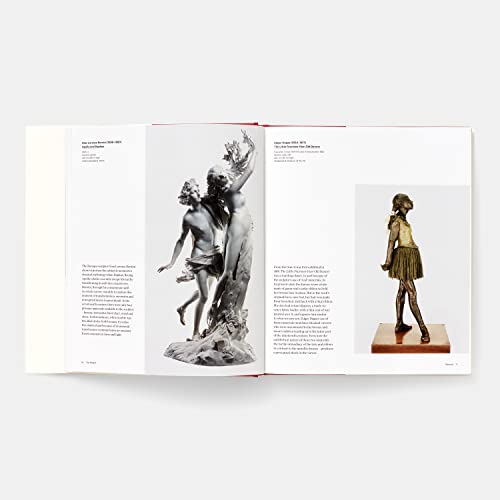
The weight of a Phaidon Press publication always suggests a serious commitment to art history, and this guide is no exception. The Elements of Sculpture serves as a sophisticated roadmap for anyone trying to decode the complexities of three-dimensional art. Rather than overwhelming you with dry academic jargon, it breaks down the fundamental building blocks that make a piece of sculpture resonate. I found it incredibly useful for transitioning from a casual observer to a more informed viewer who understands how form and space interact. It is a substantial resource that feels less like a textbook and more like a curated companion for your next museum visit. Whether you are a student or just a curious enthusiast, this guide provides the essential vocabulary needed to truly see what you are looking at.

The most fundamental decision in sculpting is deciding whether you want to take away or build up. Subtractive techniques, such as stone carving or wood sculpting, involve removing material from a solid mass to reveal a form. This method requires high levels of foresight and planning, as mistakes are often permanent. If you enjoy the meditative, rhythmic process of refining a shape through reduction, subtractive methods are your path. Conversely, additive techniques, such as clay modeling or wax sculpting, allow for constant iteration. You can add, remove, and reshape material indefinitely, making it the ideal choice for artists who prefer a more experimental, spontaneous workflow.
A technique is only as effective as the tools used to execute it. When choosing a technique, you must consider the physical properties of your medium. For example, if you opt for a high-detail additive technique using water-based clay, you will need a suite of fine-tipped metal loops and wooden modeling tools to manage moisture levels. If you lean toward additive wax work, you will need to consider thermal tools and heat-controlled application methods. For subtractive artists, the focus shifts to impact and abrasion. You must weigh the need for heavy mallets and chisels against the delicate precision of rasps and rifflers. Always choose a technique where the required toolset aligns with your existing studio capabilities or your willingness to invest in specialized equipment.
Consider the scale and stability of your intended projects. Some techniques are inherently more structural. Armature-based sculpting (additive) allows for massive, gravity-defying shapes because you can build a metal skeleton to support the weight of the medium. This is perfect for large-scale figurative work. On the other hand, direct carving (subtractive) relies entirely on the structural integrity of the block itself. If you choose a technique that involves casting—such as lost-wax bronze casting—you are adding a layer of chemical and thermal complexity that requires a much higher level of technical mastery and studio safety protocols.
To choose the right technique, ask yourself three questions: First, do I want the ability to correct mistakes (Additive) or the challenge of precision (Subtractive)? Second, how much physical space and heavy machinery do I have access to? Third, do I want to work with organic, living materials or controlled, industrial mediums? If you seek perfection through refinement, go subtractive. If you seek expression through evolution, go additive. Match your technique to your temperament, and the medium will follow.
Quick answers about Sculpting Technique before you buy.
Share of top-ranked products by brand, from our editorial analysis.
We've carried out a comprehensive analysis of 272 reviews on Sculpting Technique, using our selection criteria to identify the best options in the categories. Our findings reveal that most customers typically select Sculpting Technique priced around $16.93, with top brands including independently published, chartwell books, impact books, mango, schiffer publishing, 3dtotal publishing, brand: running pr, amherst media and potter craft and lark crafts.
Our team of expert editors reviewed these high-quality items and handpicked the top 7 Sculpting Technique for your consideration. We've also done extensive research on numerous sellers, identifying the best ones in the categories category — including amazon.com, off the shelf stl, kt jo's book nook and realsouthwest and summitpark prints.
We are dedicated to assisting our users in finding the right technique Products based on their needs, saving them considerable time when choosing which Sculpting Technique to buy. We take pride in the number of satisfied users we've helped through our thorough and insightful reviews.
Compare the top 7 picks at a glance — select a column to sort.


