Understanding Material Compatibility
The most critical decision in selecting a seal is the material composition. A seal's primary job is to maintain its shape and elasticity under stress, but various chemicals and temperatures can cause materials to swell, harden, or dissolve. If you are working with hydraulic fluids, you must ensure the elastomer is chemically resistant to those specific additives. For high-temperature environments, such as automotive engines or industrial ovens, standard Nitrile (NBR) may fail, necessitating the use of Viton (FKM) or Silicone. Conversely, if your application involves contact with food products or medical-grade liquids, you must prioritize FDA-compliant materials like EPDM or specialized food-grade silicones to prevent leaching and contamination.
Analyzing Environmental and Thermal Stress
Beyond chemical resistance, you must evaluate the physical environment where the seal will live. Temperature extremes are the primary killers of seal longevity. A seal that is too soft at high temperatures will deform and lose its 'memory,' while a seal that is too rigid at low temperatures will become brittle and crack. Furthermore, consider the pressure levels. High-pressure applications require seals with higher durometer ratings (hardness) to prevent 'extrusion,' a phenomenon where the seal is literally squeezed out of its housing under intense force. Always check the maximum operating pressure and temperature ranges provided by the manufacturer to ensure they align with your system's peak loads, not just its average states.
Geometry and Sealing Mechanism
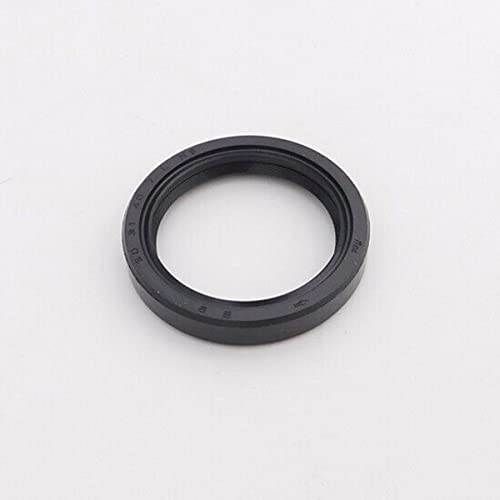
The physical shape of the seal dictates how it functions within a system. You will generally encounter three main types: static, dynamic, and rotary. Static seals, such as O-rings or gaskets, are used where there is no movement between the sealing surfaces. Dynamic seals, such as U-cups or piston seals, are designed to maintain a barrier while a shaft or rod moves through them. Rotary seals (often called lip seals) are specifically engineered for rotating shafts, managing the friction generated by continuous motion. When selecting, pay close attention to the cross-section profile. A flat gasket handles compression differently than a rounded O-ring, and selecting the wrong profile can result in uneven pressure distribution and immediate failure.
Surface Finish and Installation Considerations
A common mistake is ignoring the surface it is sealing against. A high-performance seal will fail if the mating surface is too rough, as the microscopic peaks and valleys will create leak paths. Conversely, if a surface is too polished, certain types of seals may struggle to 'seat' properly or may suffer from excessive friction. When shopping, consider the 'roughness average' (Ra) required for your application. Additionally, always plan for the installation process. Some seals are designed to be installed dry, while others require lubrication to prevent tearing during assembly. Selecting a seal that is easy to install without specialized tools can significantly reduce the risk of human error during maintenance cycles.