#TOP1

Seismic design is one of the most high-stakes disciplines in structural engineering, where the margin for error is measured in life safety and structural integrity. Whether you are a graduate student navigating the complexities of ground motion prediction or a practicing professional seeking to master performance-based design, the literature you choose serves as your technical foundation. Selecting the right seismic design book requires moving beyond general structural mechanics into the nuanced world of dynamic analysis, soil-structure interaction, and code-specific application. This guide is designed to help you navigate the specialized landscape of seismic engineering literature to ensure your technical library supports both theoretical mastery and practical field application.
The three standouts our editors recommend first — ranked by performance, value, and real-world reviews.


Seismic Design of Reinforced Concrete Buildings
| SELLER | SELLER SCORE | AMAZON FULFILLED | PRIME | FREE SHIPPING |
|---|---|---|---|---|
| Amazon.com | 9.68 | Yes | Yes | Yes |
Structural engineers facing the high-stakes complexities of earthquake-resistant construction cannot afford to overlook this essential technical resource. This text from McGraw-Hill Education serves as a rigorous deep dive into the mechanics of how reinforced concrete structures behave under seismic stress. Rather than offering surface-level summaries, it focuses on the critical design principles required to ensure building stability during tectonic shifts. While the price point reflects its status as a specialized professional tool, the depth of information provided makes it a vital addition to any civil engineering library. It is a foundational asset for anyone tasked with calculating lateral forces and designing ductile frames that can withstand significant ground motion.


Seismic Design of Building Structures, 11th Ed
| SELLER | SELLER SCORE | AMAZON FULFILLED | PRIME | FREE SHIPPING |
|---|---|---|---|---|
| Apex_media🍏 | 9.87 | Yes | Yes | Yes |
Can an engineer truly master the complexities of earthquake engineering without a definitive technical foundation? This eleventh edition from Professional Publications, Inc. serves as a vital cornerstone for anyone navigating the high-stakes world of structural stability. It moves beyond mere theory to provide the rigorous framework necessary for designing buildings that can withstand seismic forces. While the subject matter is inherently dense and demanding, the text remains an essential resource for professional practice and academic excellence. It is the kind of deep-dive reference that stays on your desk through every major project, ensuring your calculations align with the most current structural standards. Investing in this edition means investing in the long-term safety and reliability of your engineering designs.
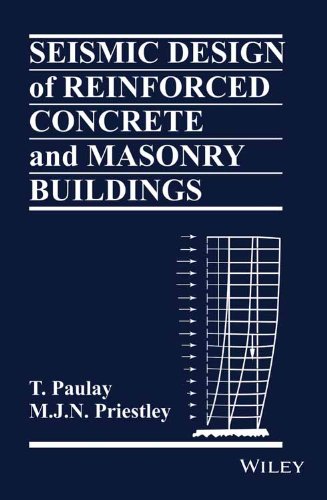
Seismic Design of Reinforced Concrete and Masonary Buildings (O.P. Price $244.95 )
| SELLER | SELLER SCORE | AMAZON FULFILLED | PRIME | FREE SHIPPING |
|---|---|---|---|---|
| GlobalBooks | 9.58 | No | No | No |
After weeks of studying complex structural engineering principles, I finally realized that having the right technical foundation makes all the difference in mastering seismic safety. This specialized text serves as a vital resource for anyone navigating the intricate world of earthquake-resistant construction. While the original list price for this volume is quite high, the current availability at a significantly reduced cost makes it an incredible find for students and professionals alike. It dives deep into the nuances of how reinforced concrete and masonry behave under lateral loads, providing the technical depth required for modern structural design. If you are looking to build a library of essential engineering references without breaking the bank, this book is a massive win.

Seismic Design and Retrofit of Bridges
| SELLER | SELLER SCORE | AMAZON FULFILLED | PRIME | FREE SHIPPING |
|---|---|---|---|---|
| Amazon.com | 9.68 | Yes | Yes | Yes |
An engineer staring down a complex structural assessment for an aging overpass needs more than just intuition. They need the rigorous technical framework found in this Wiley publication. Seismic Design and Retrofit of Bridges serves as a heavy-hitting resource for professionals tasked with ensuring critical infrastructure survives major tectonic events. While the price point reflects its specialized nature, the depth of information provided makes it a cornerstone for any structural library focused on earthquake resilience. It moves beyond mere theory to address the practical, high-stakes realities of modern bridge retrofitting. Whether you are calculating lateral loads or planning a massive renovation project, this text provides the technical backbone necessary for safe, compliant, and durable engineering solutions.

Seismic Design for Architects: Outwitting the Quake
| SELLER | SELLER SCORE | AMAZON FULFILLED | PRIME | FREE SHIPPING |
|---|---|---|---|---|
| Amazon.com | 9.68 | Yes | Yes | Yes |
Seismic Design for Architects offers a sophisticated approach to structural safety that goes far beyond the basic code compliance most professionals simply settle for. Instead of treating earthquake preparedness as a checkbox exercise, this Routledge publication dives into the actual mechanics of outwitting seismic forces through intelligent design. It serves as a vital bridge between complex engineering principles and the creative vision of an architect. I found that the text focuses on how to integrate stability without compromising aesthetic integrity, making it an essential resource for anyone designing in high-risk zones. At its current price point, it functions less like a textbook and more like a strategic manual for building structures that can actually withstand the unpredictable power of a quake.

Seismic Design and Assessment of Bridges: Inelastic Methods of Analysis and Case Studies (Geotechnical, Geological and Earthquake Engineering Book 21)
| SELLER | SELLER SCORE | AMAZON FULFILLED | PRIME | FREE SHIPPING |
|---|---|---|---|---|
| Amazon.com Services LLC | 0.00 | No | No | No |
This technical ebook serves as a critical resource for structural engineers seeking to master inelastic analysis through practical application. Instead of getting bogged down in purely theoretical abstractions, this volume focuses on the actual mechanics of bridge design during seismic events, bridging the gap between complex geotechnical theory and real-world implementation. The inclusion of specific case studies makes the advanced mathematical concepts much more digestible, allowing professionals to see how these methodologies perform under actual stress. While the subject matter is undeniably dense and geared toward specialists, the immediate digital availability makes it an indispensable tool for researchers or practitioners who need to dive into earthquake engineering right away. It is a high-level academic deep dive that prioritizes functional expertise over general overviews.

Seismic Design of Foundations: Concepts and applications
| SELLER | SELLER SCORE | AMAZON FULFILLED | PRIME | FREE SHIPPING |
|---|---|---|---|---|
| Amazon.com | 9.68 | Yes | Yes | Yes |
Most engineers assume that a building's stability begins with its superstructure, but this text argues that the real battle against seismic forces is fought underground. Seismic Design of Foundations: Concepts and Applications moves beyond mere theory to tackle the complex reality of how soil and structural footings interact during an earthquake. It serves as a vital bridge between abstract geotechnical principles and the practical, high-stakes requirements of modern structural engineering. While the subject matter is inherently dense, the focus on application makes it a necessary addition to any professional library. If you are looking to master the nuances of foundation stability under dynamic loading, this resource provides the technical depth required to navigate such volatile environmental challenges.


PPI California Civil Seismic Building Design, 12th Edition – Comprehensive Guide on Seismic Design for the California Civil Seismic Principles Exam
| SELLER | SELLER SCORE | AMAZON FULFILLED | PRIME | FREE SHIPPING |
|---|---|---|---|---|
| Kaplan North America | 7.24 | Yes | Yes | Yes |
Passing the California Civil Seismic Principles Exam requires more than just general engineering knowledge. It demands a mastery of specific, high-stakes regional seismic standards. This 12th edition from PPI A Kaplan Company serves as a dedicated roadmap for engineers navigating these complex regulatory waters. Instead of wading through scattered technical papers, you get a structured, comprehensive guide designed specifically to align with the exam's core requirements. It functions as a vital bridge between theoretical structural mechanics and the practical application required for California's unique seismic landscape. Whether you are refreshing your memory on design principles or tackling the material for the first time, having this specialized resource on your desk makes the daunting task of exam preparation feel significantly more manageable and focused.

Seismic Design Aids for Nonlinear Pushover Analysis of Reinforced Concrete and Steel Bridges (Advances in Earthquake Engineering)
| SELLER | SELLER SCORE | AMAZON FULFILLED | PRIME | FREE SHIPPING |
|---|---|---|---|---|
| Amazon.com | 9.68 | Yes | Yes | Yes |
Dense technical diagrams and complex mathematical frameworks immediately command your attention the moment you crack this volume open. This CRC Press publication serves as a vital toolkit for structural engineers tackling the high-stakes world of bridge seismic safety. Instead of wading through abstract theory alone, you get actionable design aids specifically tailored for nonlinear pushover analysis in both reinforced concrete and steel bridge structures. It bridges the gap between advanced earthquake engineering principles and practical, real-world application. Whether you are assessing existing infrastructure or designing new spans to withstand intense seismic events, the level of detail provided here is indispensable for ensuring structural integrity and public safety.

The Seismic Design Handbook
| SELLER | SELLER SCORE | AMAZON FULFILLED | PRIME | FREE SHIPPING |
|---|---|---|---|---|
| KT Jo's Book Nook | 5.68 | No | No | No |
The Seismic Design Handbook stands as an essential technical cornerstone for anyone navigating the complexities of earthquake engineering. This volume serves as a dedicated resource for understanding structural integrity and seismic forces. While many engineering texts feel overly dense or inaccessible, this handbook aims to provide a streamlined approach to critical design principles. It is currently in stock and ready for immediate integration into a professional library or academic study desk. Whether you are a seasoned structural engineer or a student mastering the fundamentals, having this specialized guidance on hand is a smart investment for ensuring safety and precision in modern construction projects.

Textbook of Seismic Design: Structures, Piping Systems, and Components
| SELLER | SELLER SCORE | AMAZON FULFILLED | PRIME | FREE SHIPPING |
|---|---|---|---|---|
| Amazon.com Services LLC | 0.00 | No | No | No |
This textbook stands as a definitive technical resource for structural engineers and mechanical specialists dealing with earthquake resilience. It moves beyond basic theory to tackle the complex intersection of seismic design for both rigid structures and intricate piping systems. Because it is a digital ebook, you can immediately integrate this specialized knowledge into your workflow without waiting for shipping. While the price point reflects its status as a professional-grade academic tool, the depth of coverage regarding components and system stability makes it a necessary investment for those designing in high-risk zones. It is a dense, authoritative guide that prioritizes practical engineering applications over superficial overviews.

Seismic Design Methods for Steel Building Structures (Geotechnical, Geological and Earthquake Engineering Book 51)
| SELLER | SELLER SCORE | AMAZON FULFILLED | PRIME | FREE SHIPPING |
|---|---|---|---|---|
| Amazon.com Services LLC | 0.00 | No | No | No |
You might hesitate to drop nearly a hundred dollars on a digital text without flipping through the pages first, but this specialized engineering volume is a serious investment for structural professionals. Seismic Design Methods for Steel Building Structures serves as a deep dive into the complexities of earthquake engineering, specifically tailored for those working with steel frameworks. Since it is available for immediate download, you can bypass shipping delays and get straight to the technical analysis required for your geotechnical or geological projects. It functions less like a casual read and more like a critical reference tool for ensuring structural integrity during seismic events. For anyone navigating the high-stakes world of earthquake engineering, having this level of specialized knowledge at your fingertips is a game changer.

The first decision factor in seismic literature is determining whether you need a conceptual deep dive or a practical application manual. Theoretical texts focus on the physics of seismology and the mathematics of structural dynamics. These books are essential for understanding how energy propagates through different soil profiles and how damping ratios affect vibration. If your goal is to understand the 'why' behind seismic force calculations, look for titles that emphasize wave propagation, response spectra, and stochastic processes. Conversely, application-oriented books focus on the 'how.' These are often aligned with specific regional building codes and provide step-by-step methodologies for calculating base shear, lateral force resisting systems, and detailing requirements for ductility. A well-rounded library requires both: one to build the intuition and one to ensure compliance.
Seismic design has evolved from simple equivalent lateral force procedures to highly complex nonlinear time-history analyses. When reviewing a book, check the breadth of its analytical coverage. A modern, high-quality seismic design text should move beyond linear elastic analysis to include topics such as:
Seismic design is heavily dictated by local regulations and jurisdictional standards. A book written exclusively around one country's building code may be mathematically sound but practically difficult to apply if you are working in a different seismic zone. Look for books that either teach the universal principles of seismic physics—which are applicable globally—or those that explicitly state which design standards they follow. Furthermore, because seismic codes are updated frequently (often every few years), pay close attention to the publication date. A book on seismic detailing that relies on outdated ductility requirements can be a liability in a professional setting. Always prioritize recent editions that reflect the latest advancements in seismic hazard mapping and material science.
Seismic engineering involves complex vector calculus and differential equations. The best books strike a balance between rigorous mathematical proofs and intuitive visual representations. Look for texts that utilize high-quality diagrams of structural responses, such as hysteretic loops, shear wall behavior, and mode shapes. If a book is purely a collection of equations without visual context, it may be difficult to translate those numbers into a physical understanding of how a building will sway or undergo deformation during an earthquake. The ideal resource provides the mathematical proof to satisfy an audit and the visual intuition to satisfy an engineer's judgment.
Quick answers about Seismic Design Books before you buy.
Share of top-ranked products by brand, from our editorial analysis.
We've carried out a comprehensive analysis of 146 reviews on Seismic Design Books, using our selection criteria to identify the best options in the specialty boutique. Our findings reveal that most customers typically select Seismic Design Books priced around $102.43, with top brands including mcgraw-hill education, ppi a kaplan company, wiley, routledge, professional publications, inc. and crc press and springer.
Our team of expert editors reviewed these high-quality items and handpicked the top 12 Seismic Design Books for your consideration. We've also done extensive research on numerous sellers, identifying the best ones in the specialty boutique category — including otsoa books, amazon.com, kt jo's book nook, kaplan north america, mediaus, amazon.com services llc and apex_media🍏 and globalbooks.
We are dedicated to assisting our users in finding the right design Products based on their needs, saving them considerable time when choosing which Seismic Design Books to buy. We take pride in the number of satisfied users we've helped through our thorough and insightful reviews.
Compare the top 12 picks at a glance — select a column to sort.


